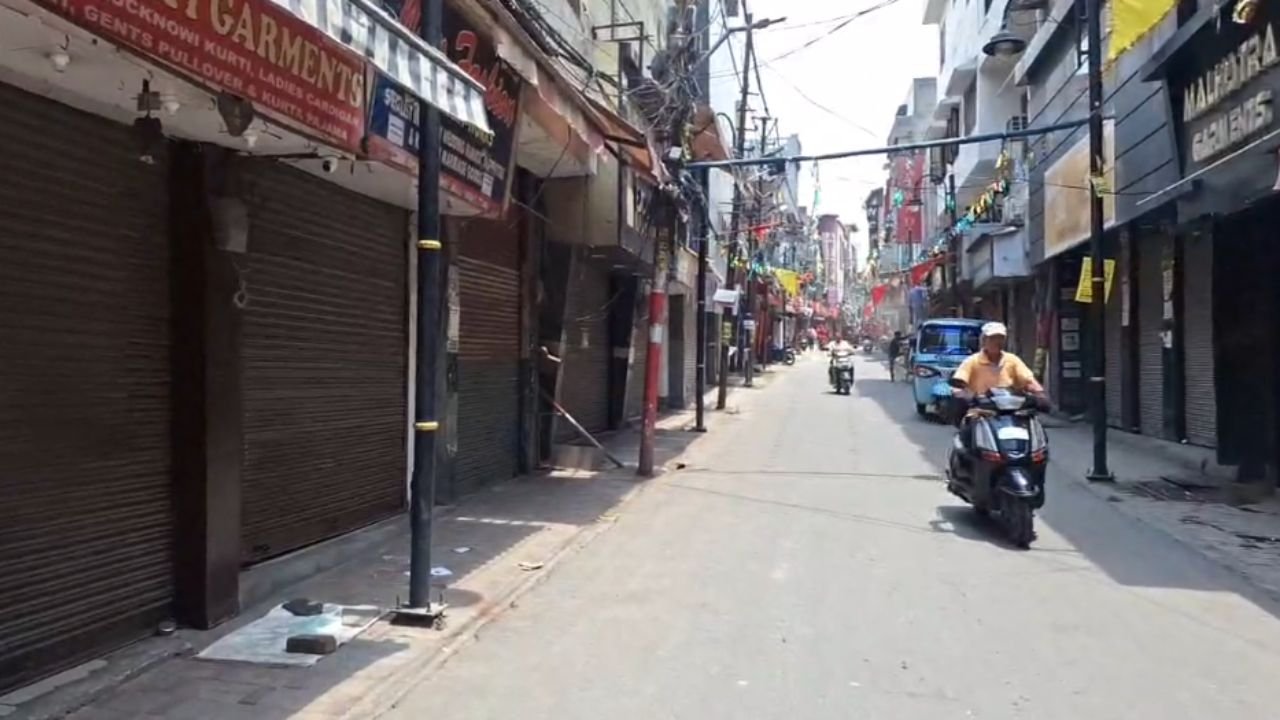
For most of the year, the narrow lanes of Jammu’s Kanak Mandi, Purani Mandi, Raj Tilak Road, Ware House-Nehru Market and Sarafa Bazaar hum with activity. Shop shutters roll up early, customers bargain over purchases, and traders spend long hours attending to business.
But this week, the scene is strikingly different.
Rows of shuttered shops, unusually calm streets, and markets that are almost silent have left many shoppers wondering why some of Jammu’s busiest commercial hubs are closed at the same time.
The answer is simple: thousands of traders and shopkeepers are taking a short annual summer break.
Every year, several market associations across Jammu coordinate a few days of closure during the peak summer season. This tradition allows traders, many of whom work throughout the year with very few holidays, to spend time with their families, travel, rest, and prepare for the busy business months ahead.
This year, the Traders Federation, Ware House-Nehru Market announced that the Ware House-Nehru Market will remain closed from June 18 to June 21. Similarly, the Association of Electric Dealers decided that member shops would remain shut from June 18 to June 20 as part of their customary summer vacation.
Jewellers across the city have also joined the annual break. The Swarnkar Sangh Jammu declared that jewellery showrooms and shops would remain closed from June 17 to June 21, with business resuming on June 22.
The coordinated closure is not a response to any crisis, protest, or disruption. Instead, it reflects something often overlooked in conversations about local commerce: the need for rest.
Many traders in Jammu operate family-run businesses where owners personally manage inventory, customer service, accounts, and daily operations. Unlike employees in large organisations, they rarely have fixed weekends or long vacations. The annual summer closure offers a practical solution that has evolved over decades—entire market associations agree on common dates so that no individual shopkeeper feels pressured to stay open while others take a break.

The result is a rare pause for some of the city’s hardest-working business communities.
Of course, the temporary closures have created some inconvenience for shoppers. Residents looking to buy jewellery, electrical goods, clothing, household items, or other products from major markets may find locked shutters until the weekend. Traders have therefore advised customers to plan their purchases accordingly and avoid unnecessary trips during the closure period.
Essential services, however, continue to function. Medical stores and other critical businesses remain available, ensuring that residents can access necessities while the markets observe their annual holidays.
What makes this practice noteworthy is its collective nature. Rather than leaving rest to individual choice, market associations have created a shared system that balances business needs with personal well-being. By agreeing on common closure dates, traders ensure that everyone—from small shop owners to long-time family businesses—gets an opportunity to step away from work without losing a competitive advantage.
It is a simple idea that other business communities can learn from: when an entire marketplace agrees to pause together, rest becomes possible for everyone.

For now, shoppers in Jammu should note the closure dates and plan ahead. The Ware House-Nehru Market, Old City markets, jewellery showrooms, electrical shops, and several other commercial areas will remain closed until June 21, with normal business expected to resume on June 22.
By taking a brief four-to-five-day break together, thousands of traders across Jammu are keeping alive a tradition that values both commerce and community—one shuttered shop at a time.