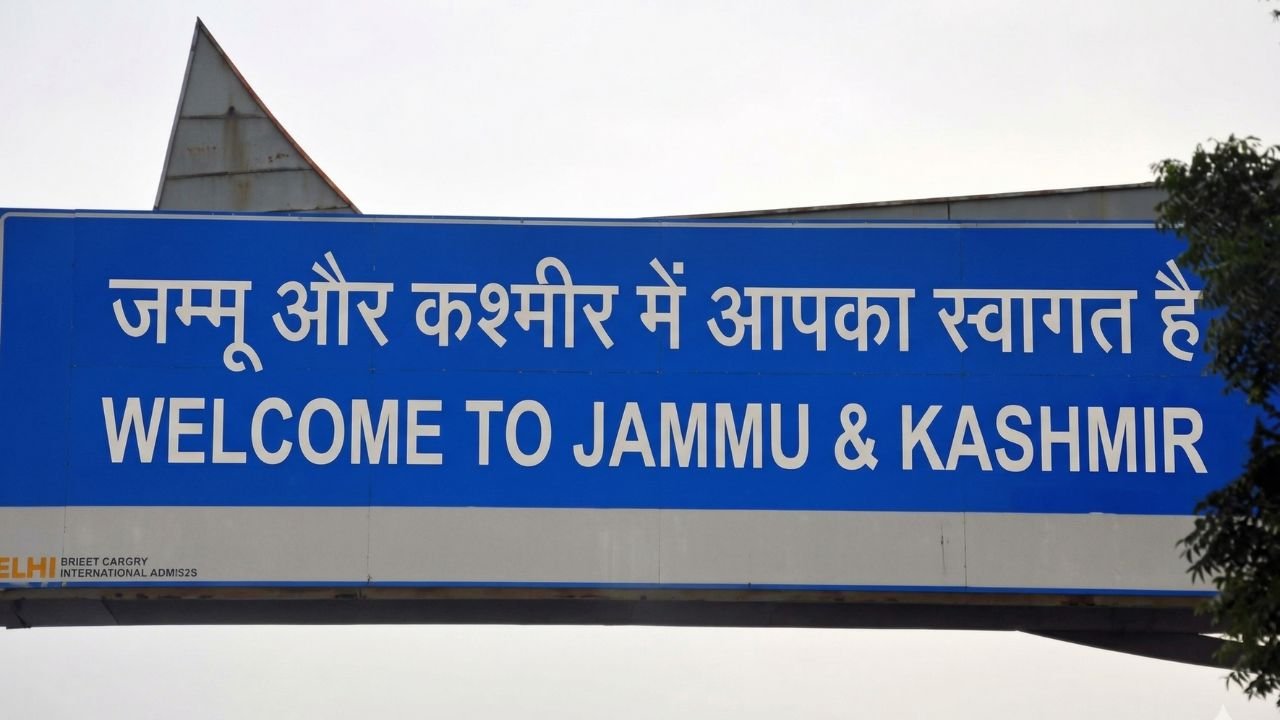
The administrative map of Jammu & Kashmir may soon witness a major transformation. A new private member bill proposes the creation of new districts, divisions, and administrative units, aiming to improve governance, accessibility, and regional balance across the Union Territory.
What Is the Jammu & Kashmir Territorial Administrative Reorganization Bill, 2026?
In a significant development, Lt Governor Manoj Sinha has approved the introduction of a private member bill titled:
👉 “Jammu and Kashmir Territorial Administrative Reorganization Bill, 2026”
This bill, moved by PDP legislator Waheed-ur-Rehman Para, seeks to establish a legal and structured framework for reorganizing:
- Administrative divisions
- Districts
- Sub-divisions
- Tehsils
The proposal has been submitted to the Assembly during the ongoing Jammu & Kashmir Budget Session 2026.
Proposed New Divisions in Jammu & Kashmir
One of the most impactful aspects of the bill is the proposal to create two new administrative divisions:
✅ Chenab Division
- Headquarters: Doda
- Focus: Better governance in remote mountainous regions
✅ Pir Panjal Division
- Headquarters: Rajouri
- Focus: Improved administration in border and hilly areas
These additions would complement the existing Jammu Division and Kashmir Division, ensuring more localized governance.
Proposed New Districts in Kashmir Division
The bill suggests several new districts to address regional challenges and improve service delivery:
- Tral–Awantipora (Hill District)
- Ashmuqam–Pahalgam (Hill District)
- Beerwah
- Sopore
- Handwara
- Gurez
- Tangdhar–Karnah (Hill District)
- Norabad (Hill District)
👉 These districts are strategically planned to tackle terrain-related difficulties and administrative overload.
Proposed New Districts in Jammu Division
For the Jammu region, the bill proposes the following new districts:
- Nowshera
- Bhaderwah
- Banihal
- Thathri
- Akhnoor
- Billawar
- Kotranka
- Mendhar
These areas, many of which are geographically challenging, could benefit from closer administrative control and faster public services.
Key Objectives of the Reorganisation Plan
The proposed Jammu & Kashmir new districts plan 2026 is designed with long-term governance improvements in mind:
Decentralised Governance
Bringing administration closer to people for faster decision-making
Balanced Regional Development
Reducing disparities between remote and urban areas
Administrative Efficiency
Handling large and difficult terrains more effectively
Socio-Cultural Cohesion
Ensuring divisions align with local identities and needs
What Happens Next?
- The bill has been submitted to the Assembly Secretariat
- It will be discussed during the ongoing Budget Session 2026
- Key dates:
- March 30 & April 1: Private Members’ Bills
- March 31 & April 2: Private Members’ Resolutions
- The session is expected to conclude on April 4, 2026
Earlier in the session, Chief Minister Omar Abdullah presented the budget, and departmental grants were passed after detailed discussions.
Why This Matters for Jammu & Kashmir
If passed, this bill could:
- Improve public service delivery in rural & remote areas
- Boost infrastructure development
- Enhance administrative accessibility
- Strengthen regional representation
In short, this could be one of the biggest administrative reforms in Jammu & Kashmir in recent years.
The Jammu & Kashmir new districts proposal 2026 is more than just redrawing boundaries—it’s about bringing governance closer to people. While the final decision rests with the Assembly, the proposal has already sparked discussions on development, representation, and regional equity.