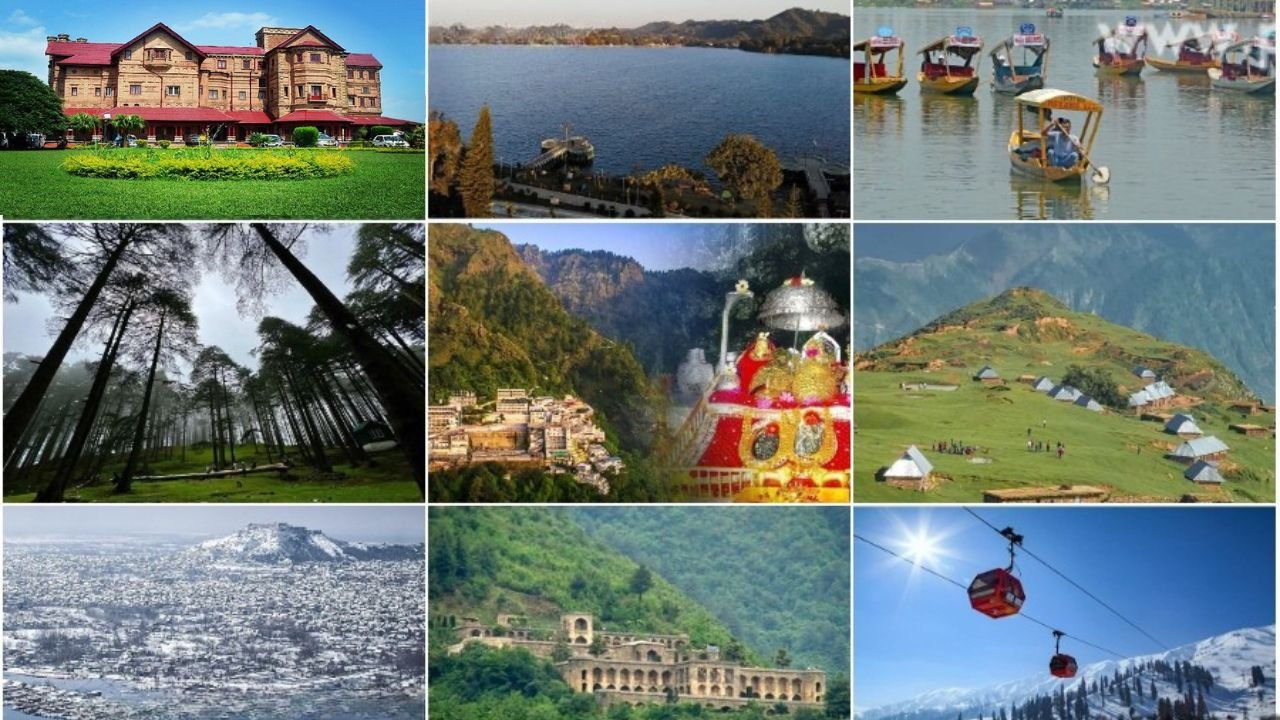
Ask ten people the best time to visit Jammu and Kashmir, and you’ll get ten different answers. The photographer will say autumn. The skier will swear by January. The first-time visitor? Probably summer.
Here’s the truth most guides won’t tell you: April and October are the two months Kashmiris themselves recommend. April brings the Srinagar Tulip Festival and almond blossoms. October delivers amber Chinar trees, crystal-clear skies, and none of the summer crowds.
But the “right” time depends entirely on you—whether you’re chasing snow, flowers, a Vaishno Devi yatra guide, or simply a quiet Kashmir houseboat stay.
Here’s something most travel guides get wrong: Jammu and Kashmir are not the same.
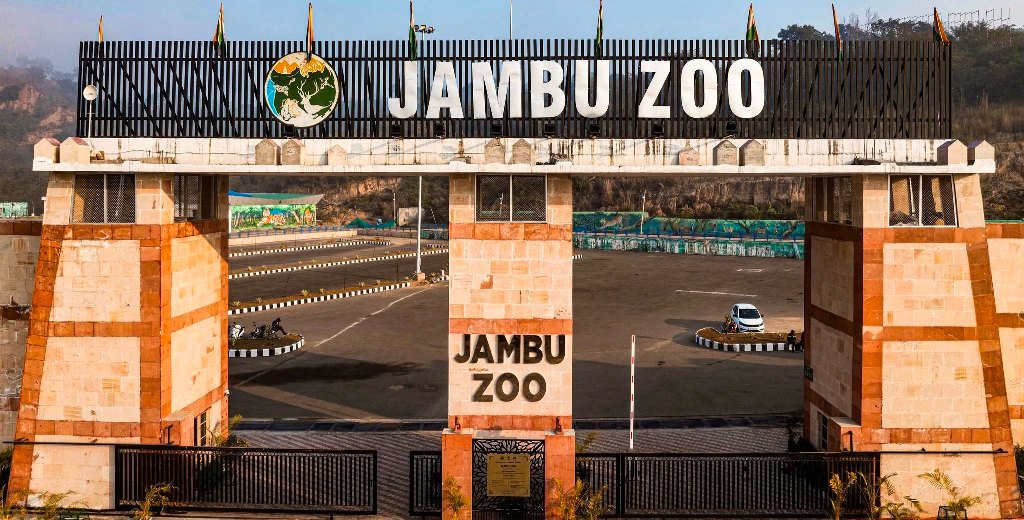
- Jammu Division (Jammu city,Bhaderwah, Basohli, Katra, Patnitop, Mansar Lake) is where you go for ancient temples, the Vaishno Devi yatra, wildlife sanctuaries, and Dogra culture.
- Kashmir Valley (Srinagar, Gulmarg, Pahalgam, Sonamarg) is where you go for Dal Lake houseboats, snow skiing, tulips, and Chinar forests.
The weather? Completely different. The best time to visit? Also different.
Ask a Kashmiri, and they’ll say April for tulips or October for autumn leaves.
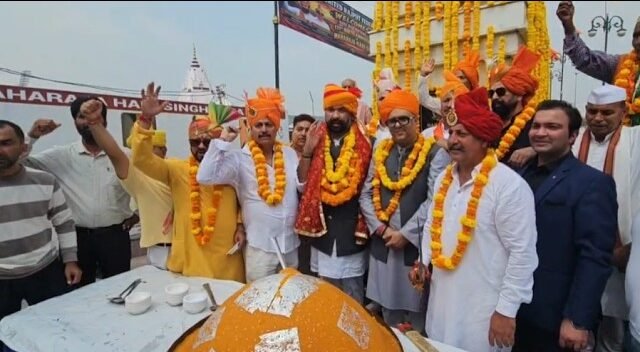
Ask a Dogra from Jammu, and they’ll say October for Navratri or March for comfortable temple-hopping.
This guide breaks down both regions, month by month, so you can plan the right trip for your heart—whether that’s snow sports in Gulmarg or a peaceful darshan at Vaishno Devi.
Let’s break it down, month by month, so you can stop guessing and start packing.
| Feature | 🏔️ Kashmir Valley | 🛕 Jammu Division |
|---|---|---|
| Best months | April, October | March–April, September–October |
| Summer temp | 15–30°C | 25–40°C (can be hot) |
| Winter temp | -4°C to 8°C (heavy snow) | 0°C to 15°C (mild winter) |
| Famous for | Dal Lake houseboats, tulips, skiing, Chinar trees | Vaishno Devi, Raghunath Temple, Patnitop, Rajma Chawal |
| Travel budget/day | ₹3,000–6,000 | ₹2,500–5,000 |
| Getting there | 1.5-hr flight to Srinagar | Train/road to Jammu Tawi, then 13 km to Katra |
Quick answer for first-timers to travel Jammu & Kashmir:
- Want snow, shikaras, and landscapes? → Go to Kashmir in April or October.
- Want temples, pilgrimages, and hills without extreme cold? → Go to Jammu in March or October.
Understanding Jammu – The City of Temples (Before You Go)
Jammu isn’t just a “stopover” on the way to Kashmir. It’s a destination in its own right.
The city is surrounded by the Shivalik range to the north, east, and southeast, with the Trikuta Range in the northwest. It spreads around the Tawi River—the old city sits on the north bank, while newer neighborhoods stretch south.
A Quick History (So You Appreciate What You See)
According to legend, Jammu was founded by Raja Jamboo Lochan in the 14th century BC. He saw a goat and a lion drinking water together near the Tawi river, realized the spot had divine power, and set up a town called Jamboopura—which became Jammu.
Later ruled by Sikhs, and the British, Jammu was also under the Dogra dynasty for nearly 1,000 years. They built countless temples, mosques, and educational institutions. Traces of Harappan civilization have even been found 32 km away near Akhnoor.
Top Places to See in Jammu (By Category)
| Category | Must-Visit |
| Temples | Raghunath Temple, Bawey Wali Mata, Peer Kho Cave, Ranbireshwar Temple, Panchvaktar Temple |
| Palaces & Forts | Bahu Fort, Mubarak Mandi Palace Complex, Amar Palace Museum (golden throne – 120 kg!), Dogra Art Museum (Pahari miniatures) |
| Nature & Lakes | Mansar Lake, Surinsar Lake (both surrounded by forested hills) |
| Hill Stations | Patnitop (famous), Nathatop (sunset views) |
| Wildlife Sanctuaries | Ramnagar (6 km from Jammu – blue rock pigeon, barking deer), Nandni (leopards, red jungle fowl), Kishtwar High Altitude National Park (Himalayan black bear, musk deer) |
| Adventure | Doda (trekking, mountaineering), Sanasar (paragliding) |
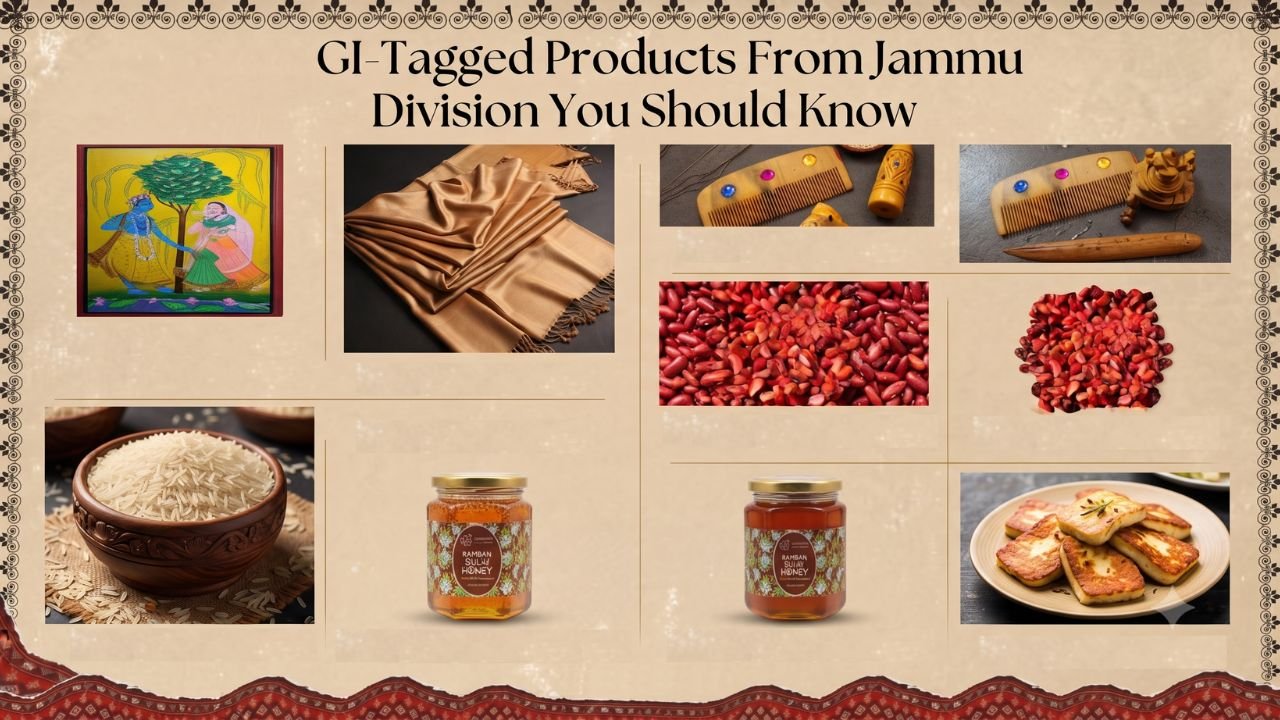
| Shopping | Vir Marg, Raghunath Bazaar, Gole Market (Basholi Painting, carpets, shawls) |
| Food to try | Rajma Chawal (Jammu’s signature), Kalaadi cheese, Khatta Meat, Maa da Madra, Chocolate Barfi, Sund Panjeeri |
Insider tip: The Vaishno Devi Temple is in the Trikuta Mountains, accessed via Katra (13 km from Jammu). That guide is below—but know that Jammu city itself has dozens of other stunning temples with zero crowds.
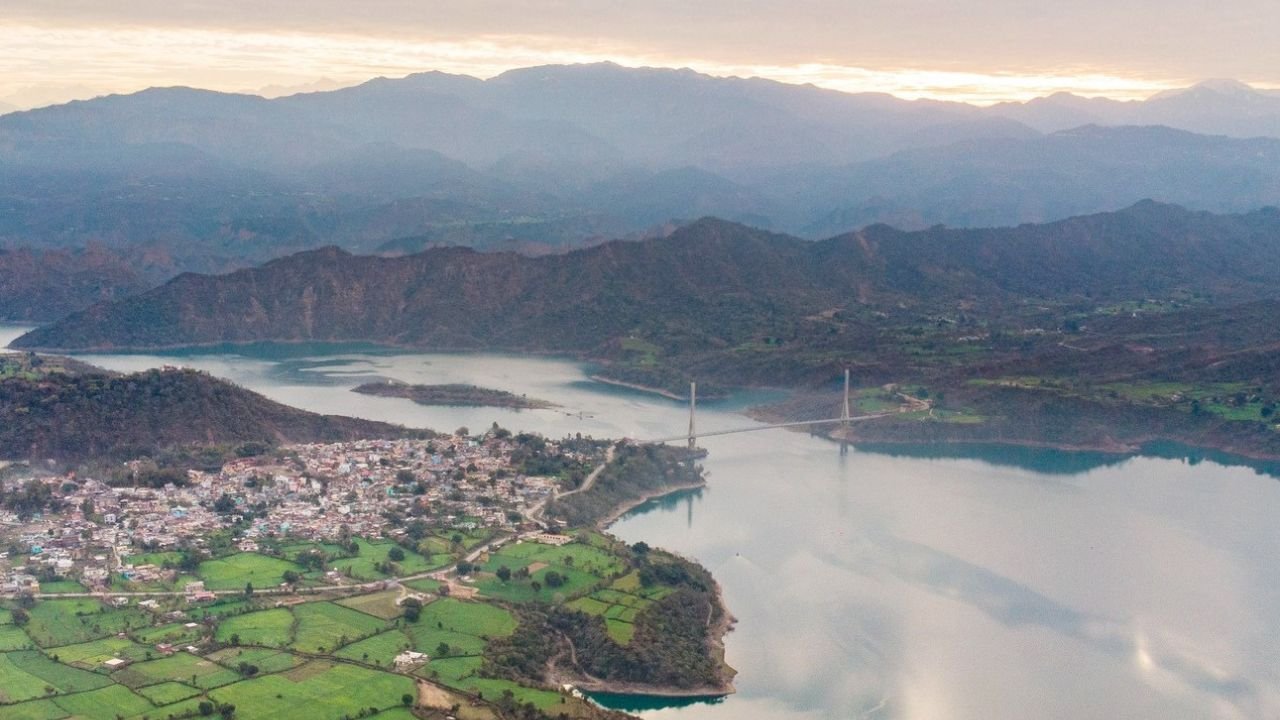
Month-by-Month Guide – Kashmir Valley
Spring (March to May): Bloom & Comfort
- Temp: 15–25°C
- Best for: Tulip gardens, shikara rides, first-time visitors
- Places to see in Kashmir: Indira Gandhi Tulip Garden (Srinagar), Dal Lake, Pahalgam valleys
- Crowd: Moderate, rising in May
Summer (June to August): Lush & Peak Season
- Temp: 15–30°C
- Best for: Trekking, white-water rafting, family vacations
- Places to see in Kashmir: Gulmarg gondola, Sonamarg (Thajiwas Glacier)
- Crowd: Very high. Book houseboats 2–3 months ahead.
Autumn (September to November): Fire & Quiet
- Temp: 11–27°C (days warm, nights cool)
- Best for: Photography, couples, Chinar tree views
- Places to see in Kashmir: Shalimar Bagh, Nishat Garden, any old Chinar grove
- Crowd: Low after September. October is magical.
Winter (December to February): Snow Paradise
- Temp: -4°C to 8°C
- Best for: Skiing (Gulmarg), sledging (Pahalgam), frozen Dal Lake walks
- Places to see in Kashmir: Gulmarg, Sonamarg (if roads open)
- Crowd: Low except Christmas–New Year.
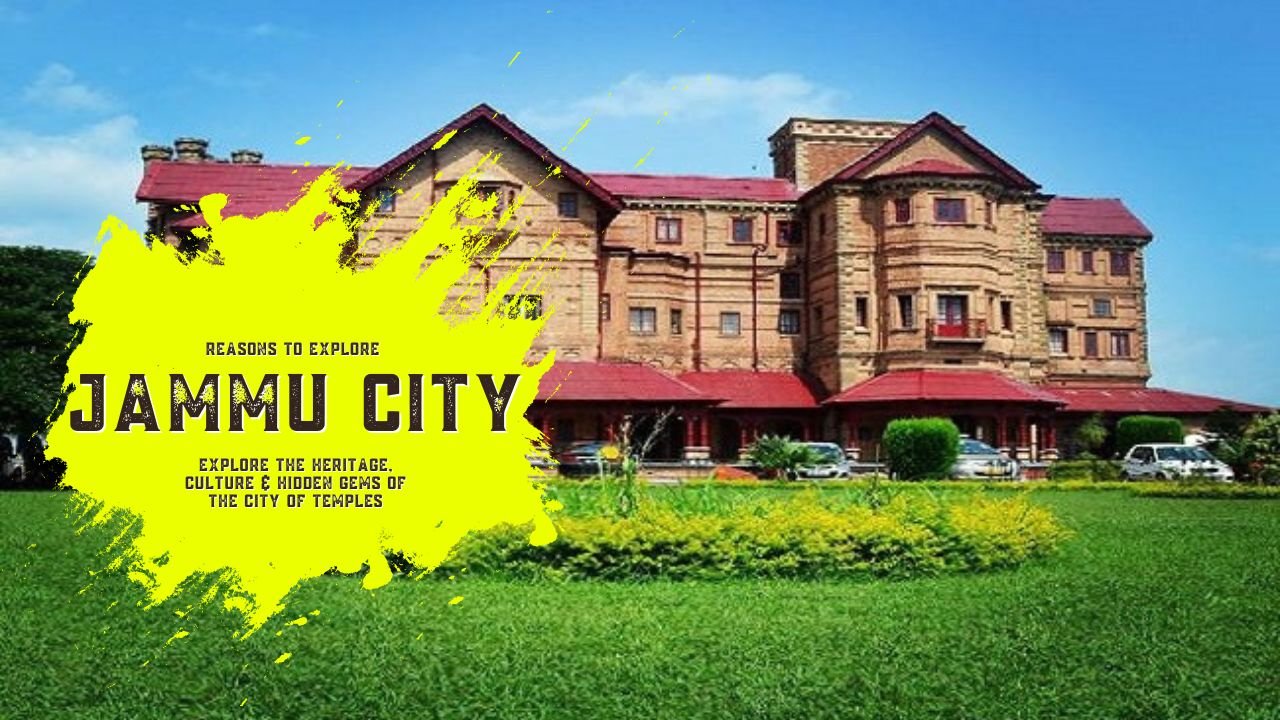
Month-by-Month Guide – Jammu Division
Jammu’s weather is not as extreme as Kashmir’s. Summers get warm (up to 35°C), winters are mild (0–15°C), and monsoon (July–August) brings greenery but also slippery paths.
Spring (March to April): Best for Temple Hopping
- Temp: 20–30°C (pleasant)
- Best for: Exploring Raghunath Temple, Bahu Fort, Mubarak Mandi Palace
- Places to see in Jammu: Raghunath Bazaar (shopping), Mansar Lake (picnic), Ramnagar Wildlife Sanctuary
- Why go now: Comfortable walking weather, not too hot, crowds low before summer break.
Summer (May to June): Hot but Doable (With Early Mornings)
- Temp: 25–35°C (can feel hotter)
- Best for: Hill station escapes (Patnitop, Nathatop & Bhaderwah), early-morning temple visits
- Places to see in Jammu: Patnitop (paragliding at Sanasar), Surinsar Lake
- Tip: Start your day by 7 AM. Afternoon heat is real.
Monsoon (July to August): Green, Quiet, Slippery
- Temp: 24–32°C
- Best for: Budget travelers, solitude seekers, photography of lush landscapes
- Places to see in Jammu: Nandni Wildlife Sanctuary (leopards & rare birds), Kishtwar National Park, Udhampur Krimchi Temples
- Caution: Paths to Vaishno Devi can be slippery. Carry a raincoat and waterproof shoes.
Autumn (September to November): The Golden Window for Jammu
- Temp: 15–30°C (perfect)
- Best for: Everything—temples, wildlife, Vaishno Devi, shopping
- Places to see: Basohli
- September: Post-monsoon greenery, fresh viewsOctober: Navratri celebrations (crowded but vibrant)
- November: Peaceful, fewer pilgrims, clear skies
- Food highlight: Try fresh Rajma Chawal at a local dhaba near Raghunath Bazaar.
Winter (December to February): Mild & Magical
- Temp: 0–15°C (no heavy snow in Jammu city, but hills get snow)
- Best for: Vaishno Devi (low crowds except New Year), cozy museum visits, sunset at Nathatop
- Places to see in Jammu: Amar Palace Museum (120-kg golden throne!), Dogra Art Museum (Pahari miniatures), Peer Baba Dargah, Sudh Mahadev Temple
- Note: Patnitop may get snow—gorgeous for a day trip.
The Honest Vaishno Devi Yatra Guide (Jammu’s Crown Jewel)
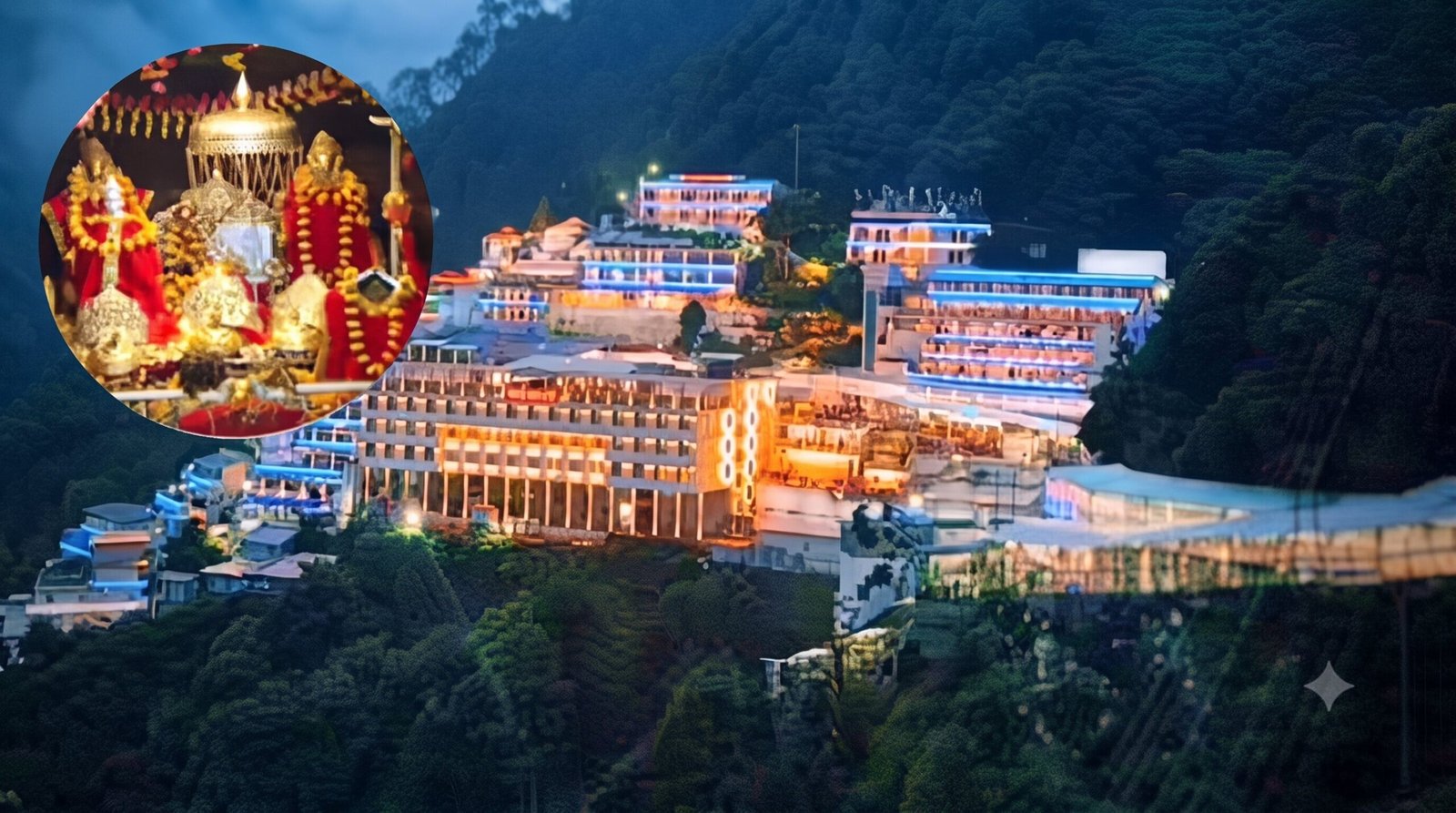
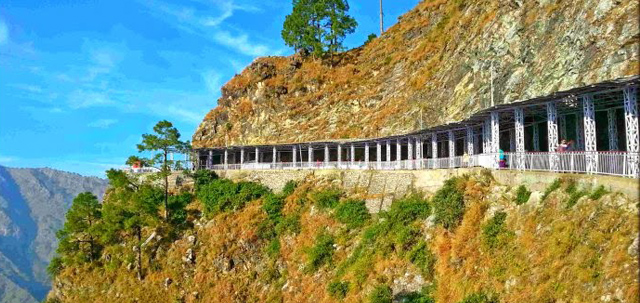
The Vaishno Devi Temple sits in the Trikuta Mountains, accessed via Katra (13 km from Jammu). Unlike many Himalayan shrines, it stays open all year—but your experience changes dramatically by month.
| If you want… | Best month | What to expect |
| Festivals & energy | October (Navratri) or March (Chaitra Navratri) | Huge crowds, vibrant atmosphere. Book hotels 3–4 weeks early. |
| Peace & fewer people | January, February, August | Icy paths in Jan/Feb. Monsoon in Aug (slippery but quiet). |
| Comfortable trekking | April, early May, late November | Ideal for elderly and first-timers. Start early. |
| Greenery & budget | July (monsoon) | Beautiful landscapes. Pack a raincoat. |
| Snowy magical vibes | December | Cold but stunning. Book New Year slots early. |
Vaishno Devi quick tips:
- Wear non-slip, comfortable shoes.
- Helicopter option (Katra to Sanjichhat) available – books fast.
- Carry basic medicines and water.
Kashmir vs. Jammu – Which One Is Right for You?
Ask yourself these three questions:
- Do I want snow or temples?
- Snow → Kashmir (Dec–Feb)
- Temples → Jammu (Oct–Mar)
- Am I traveling with elderly parents or young kids?
- Jammu is easier (shorter walks, milder weather, more pilgrim-friendly facilities).
- What’s my dream photo?
- A houseboat on Dal Lake with autumn leaves → Kashmir in October.
- A golden throne (120 kg!) or a quiet temple at sunrise → Jammu in March.
Still undecided? Do both. Fly into Jammu Tawi, spend 3 days on temples & Patnitop, then drive 8–9 hours on NH44 to Srinagar. April and October are the only months where both regions shine together.
Cultural Deep Dive – Jammu’s Music, Dances & Food (So You Don’t Miss Out)
Most tourists rush through Jammu. Don’t.
Music & Dances to Experience
- Pa’akh (Bhaakh) (Songs predominantly capture the social and romantic essence of the Dogra hills, focusing on folklore, stories of separation, and the daily lives and hardships of the people), Geetadu (Geetru) (Dogra folk music is deeply connected to the culture, beliefs, and nature of the region)
- Bhaints (devotional songs for goddesses)
- Folk dances: Dogra folk dance,Kud Dance,Jagarna, Chhajja,Haran, Jadiaan
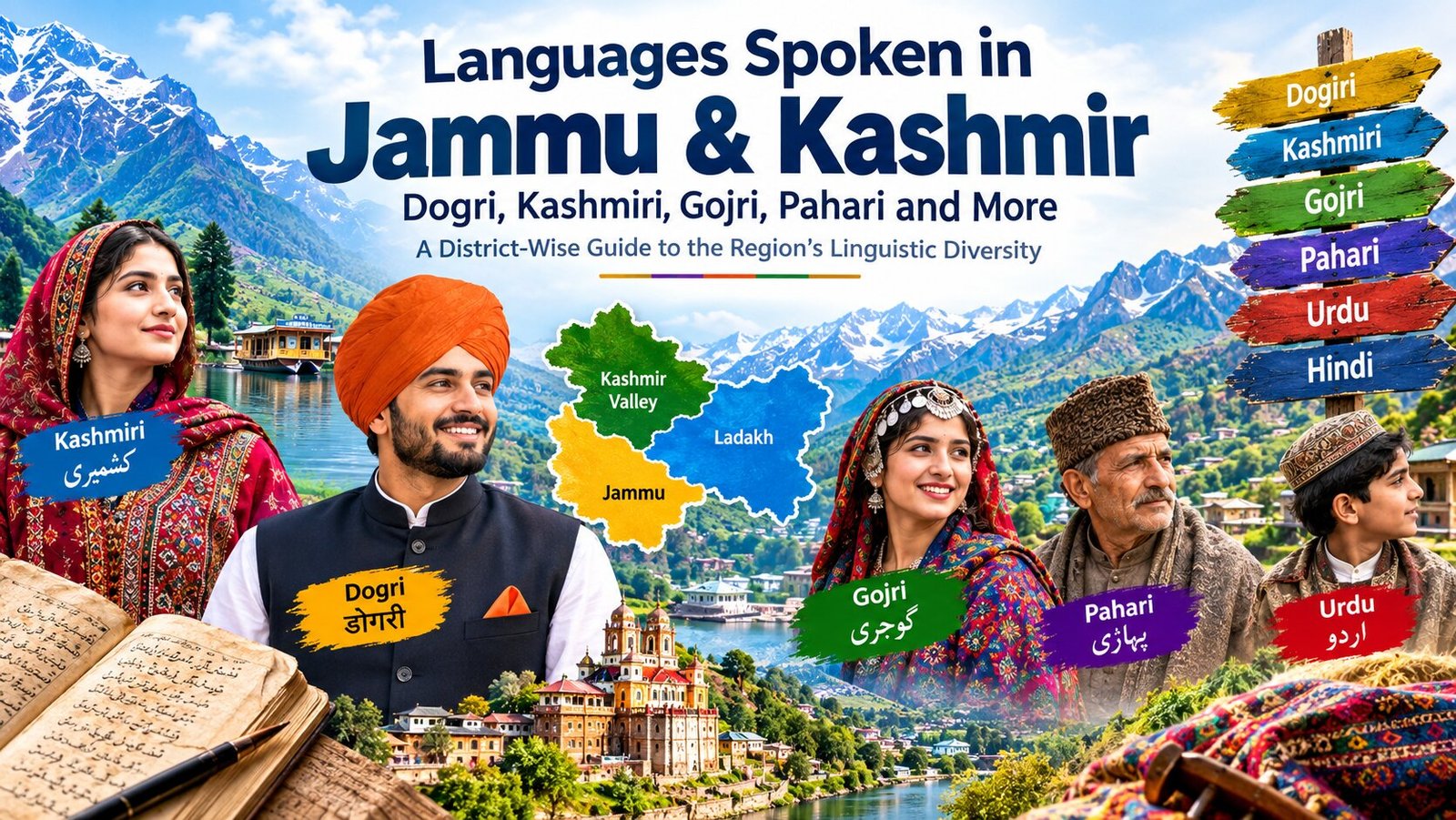
- Influences: Dogri Lok geet, Punjabi Geet, Pahadi geet, Gojri Geet – all blended beautifully.
Food You Must Try (Beyond Rajma Chawal)
- Kalaadi – Jammu’s famous processed cheese (from Ramnagar region)
- Khatta Meat – tangy Dogri meat curry
- Kulthein di Dal – a local lentil specialty
- Maa da Madra – black gram in yogurt-based gravy
- Auriya – pumpkin in mustard sauce
- Sweets: Mitha Bhat (sweet rice), Chocolate Barfi, Sund Panjeeri
- Pickles (for the road): Kasrod, Girgle, Zimikand, Tyaoo, Seyoo, Potato

Where to eat: Head to Raghunath Bazaar or Hari Market for authentic Dogri thalis. Ask for “Kalaadi paratha” if you’re lucky.
Shopping Cheat Sheet
| Item | Best place |
| Walnut wood handicrafts | Vir Marg |
| Pahari miniature paintings (copies) | Dogra Art Museum gift shop |
| Woolen shawls & carpets | Gole Market |
| Local spices & dry fruits | Raghunath Bazaar |
Jammu & Kashmir Travel: No Wrong Time, Only Different Journeys
There is no single best time to visit Jammu and Kashmir—because one person’s perfect snow holiday is another person’s “too cold for temple steps.”
- Choose Kashmir in April for tulips and mild weather.
- Choose Jammu in October for Navratri energy and perfect trekking to Vaishno Devi.
- Choose both in March or October if you have 10–12 days and want the full spectrum.
Whether you’re sitting on a Kashmir houseboat stay watching the sunset over Dal Lake, or walking barefoot into Raghunath Temple in Jammu as morning bells ring—the mountains and the temples will meet you where you are.
Pack smart. Go slow. Eat the Rajma Chawal. And let the journey change you.