Jammu and Kashmir has more than 20 registered Geographical Indication (GI) tags today. Most lists cover Kashmir division: Kashmir saffron, pashmina, kani shawl, paper mache, khatamband, the Kashmir Willow Bat, and the Shikara.
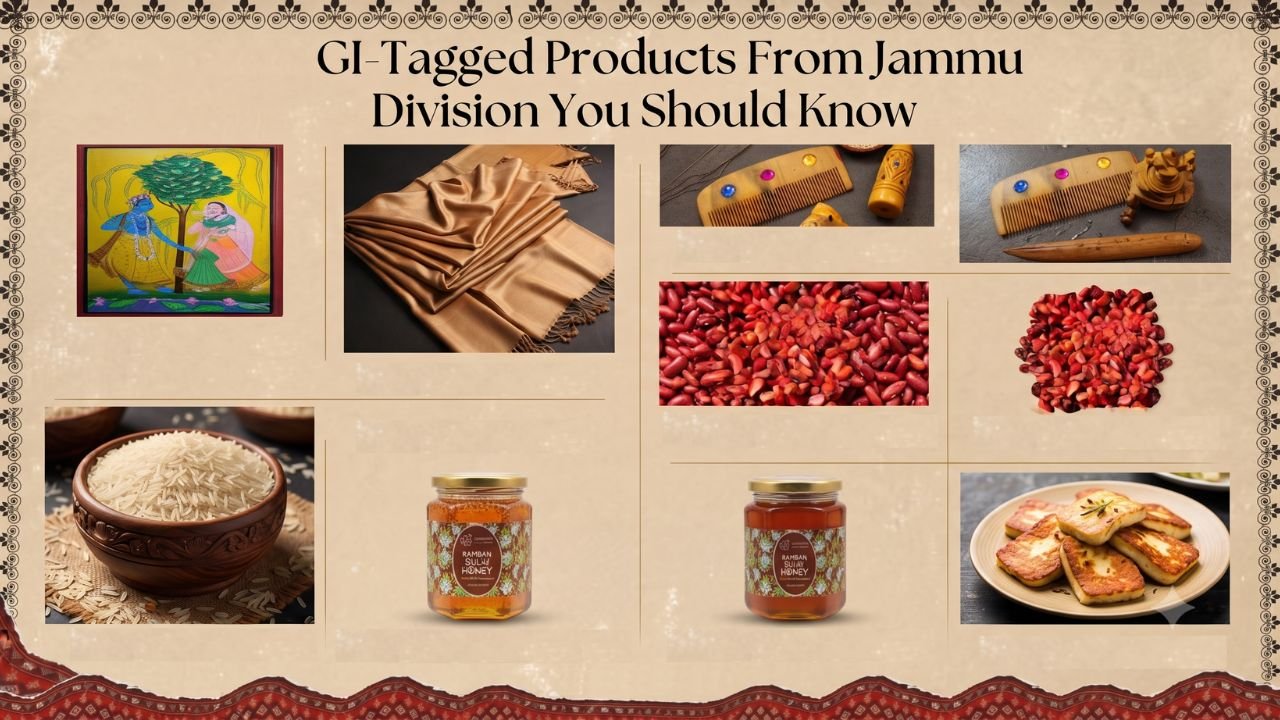
Jammu division has its own list of GI Tags. It spans all 10 districts — Jammu, Samba, Kathua, Udhampur, Reasi, Doda, Ramban, Kishtwar, Rajouri, and Poonch. Eight products from this region now carry GI protection, covering handicrafts, textiles, food, and agriculture.
What a GI Tag Actually Does
A Geographical Indication tag links a product’s quality or reputation to its place of origin. India grants these tags under the Geographical Indications of Goods (Registration and Protection) Act, 1999. The GI Registry sits in Chennai, under the Department for Promotion of Industry and Internal Trade.
A GI tag runs for 10 years and can be renewed indefinitely.
Why it matters for Jammu division:
- It protects the traditional knowledge behind each product and credits the community that built it.
- Buyers get a guarantee of authenticity and origin.
- Products gain recognition beyond the local market, including export markets.
- Artisans and farmers earn better prices for authenticated goods.
- Districts with GI products see a bump in art and craft tourism, since buyers want to meet the makers.
The 8 GI-Tagged Products of Jammu Division
1. Basohli Painting

District: Kathua | Category: Handicraft | GI Year: 2023
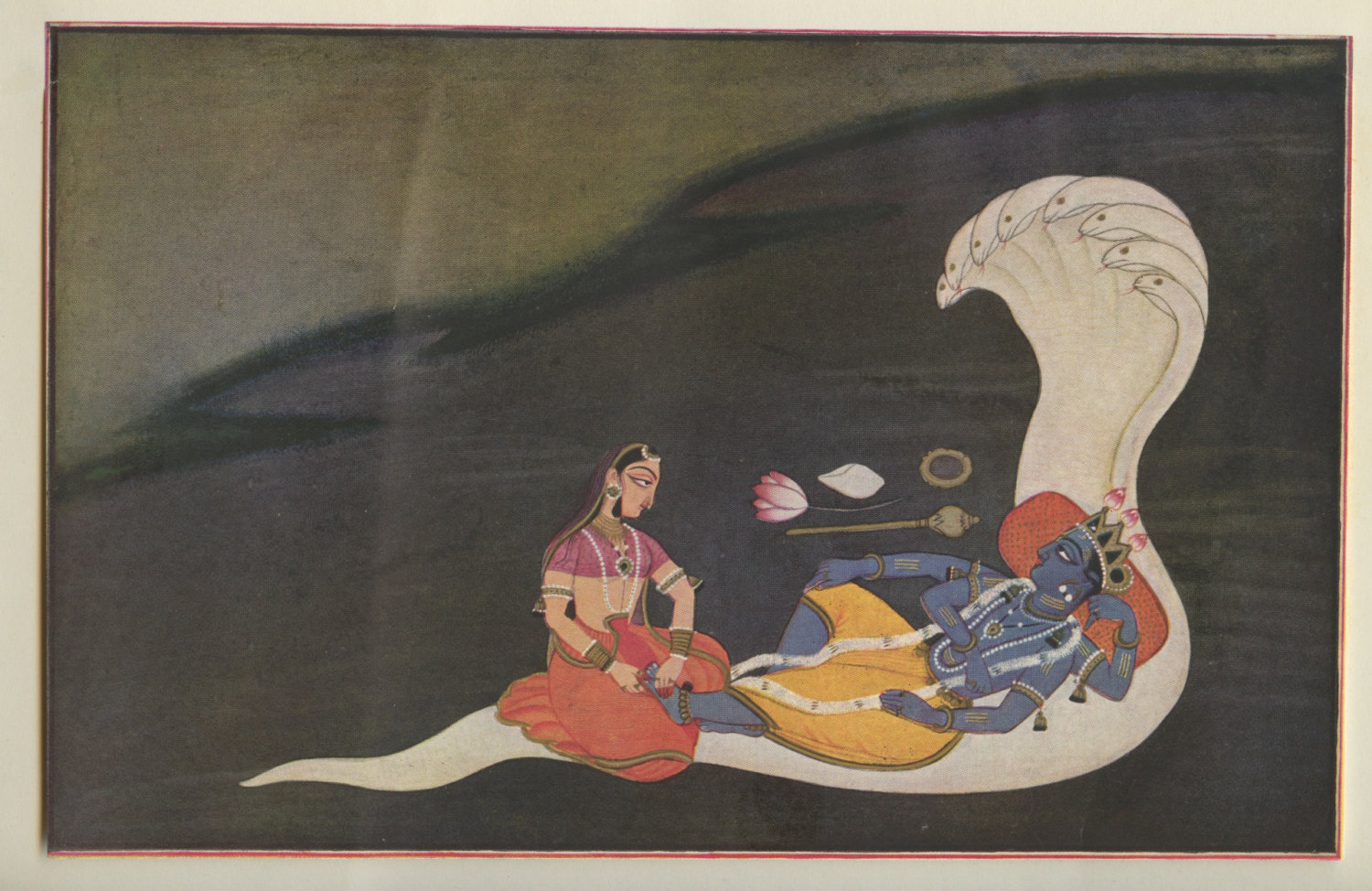
Basohli Painting started in Basohli town, Kathua district, in the 17th century. It is one of the earliest schools of Pahari painting.
Artists used natural pigments, gold leaf, and handmade paper. Subjects came from Hindu ancient scripts, the Bhagavata Purana, Rasamanjari, and royal court life.
The style is known for bold colors, strong lines, and lotus-shaped eyes on every face. The GI tag now protects this style from mass-produced copies sold under the same name.
2. Basohli Pashmina

District: Kathua | Category: Textile | GI Year: 2023
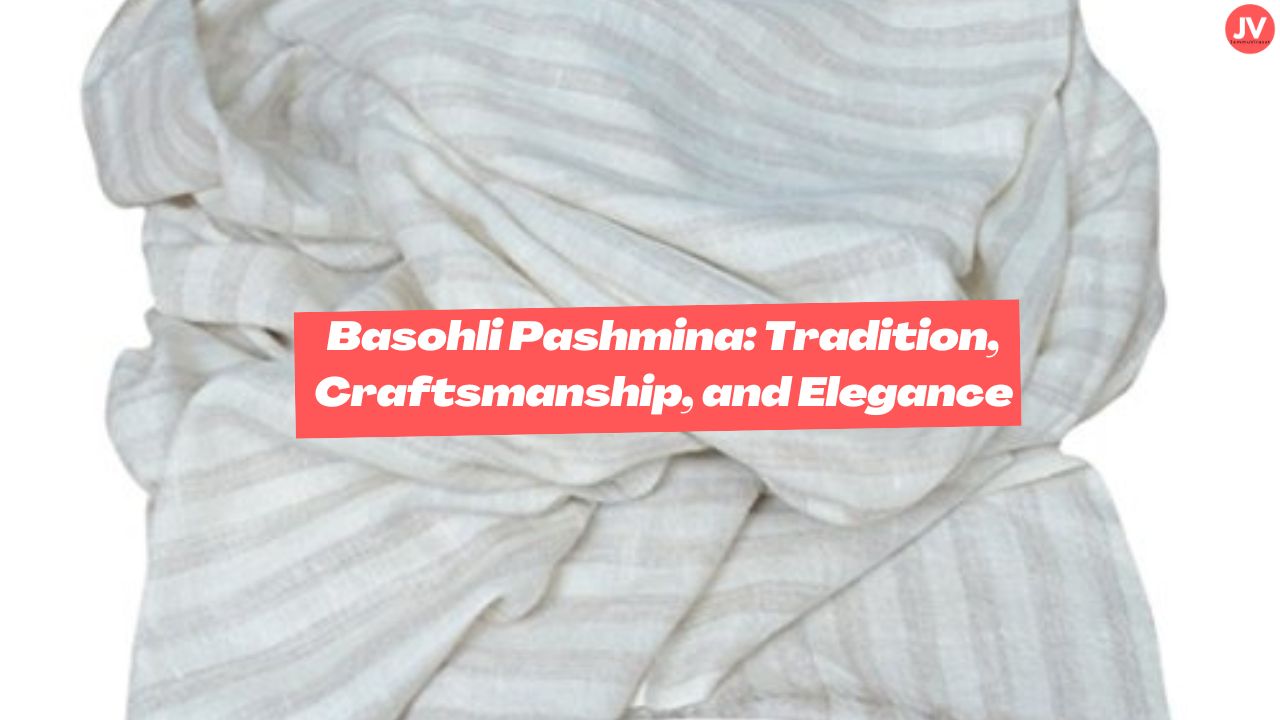
Basohli Pashmina comes from the fine undercoat wool of Himalayan goats. Local artisans hand-spin and hand-weave every piece.
The process runs entirely by hand: cleaning, spinning, dyeing, and weaving. Each step has stayed the same for generations.
The result is soft, warm, and light fabric — the qualities that separate genuine pashmina from machine-blended imitations.
3. Basmati Rice (Jammu)
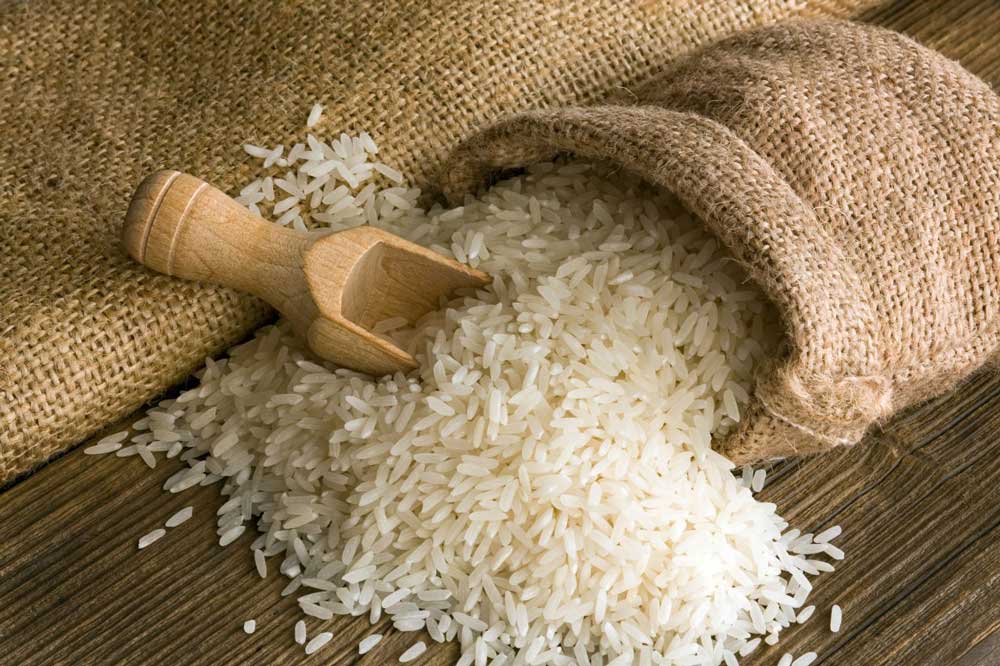
District: Jammu (plains region) | Category: Agricultural Product | GI Year: 2023
Jammu’s Basmati Rice grows in the fertile plains around the district. The climate here produces long grains with a distinct aroma and a soft texture after cooking.
Cooks across India use it in biryanis and everyday dishes. The GI tag confirms the grain’s origin and protects growers from rice sold falsely under the Basmati name.

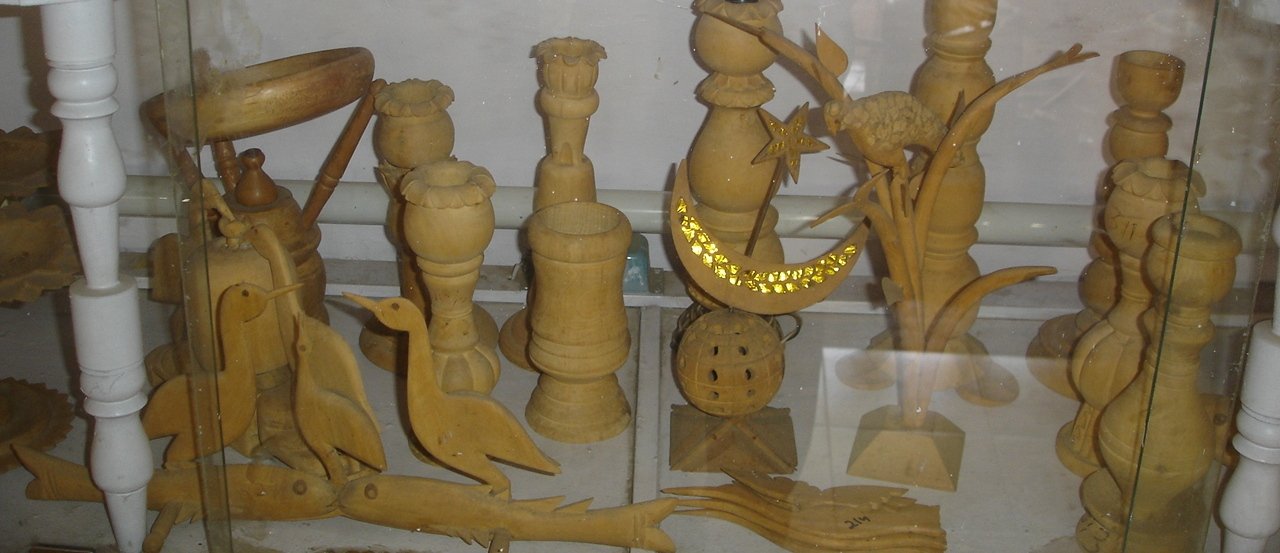
4. Chikri Wood Craft
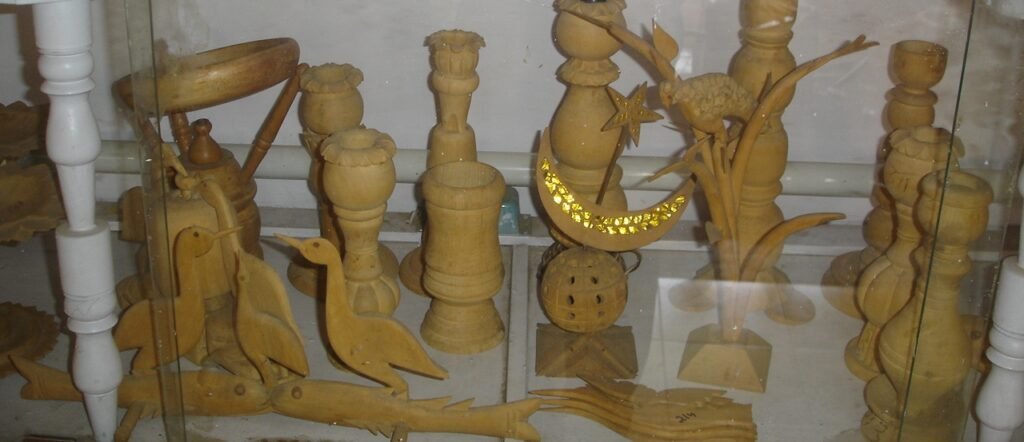
District: Rajouri and Poonch | Category: Handicraft | GI Year: 2023
Rajouri Chikri Wood Craft uses Chikri wood, known for its smooth texture, fine grain, and natural honey-yellow tone.
Artisans in Rajouri and Poonch carve boxes, spoons, combs, and decorative items by hand. The craft has passed down through generations without mechanization.
The finished pieces stay light, durable, and easy to carve into detailed patterns — a quality specific to this wood.
5. Bhaderwah Rajmash
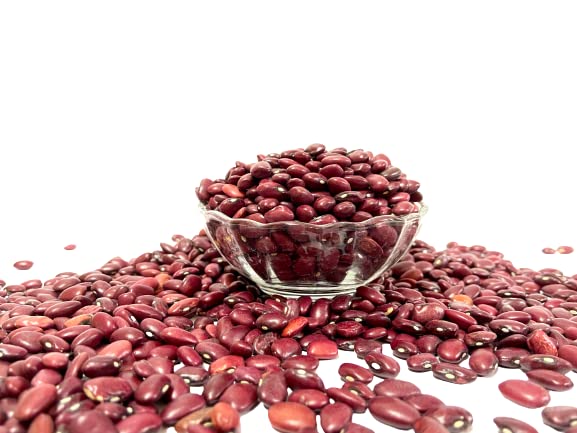
District: Doda | Category: Food | GI Year: 2023
Bhaderwah Rajmash grows in the cool climate of the Bhaderwah valley, Doda district. The beans are smaller, darker, and softer than ordinary rajma.
They cook faster and carry a richer flavor. The soil and altitude of Bhaderwah shape both the taste and the texture, which is why the GI tag ties the product to this specific valley.
6. Ramban Anardana
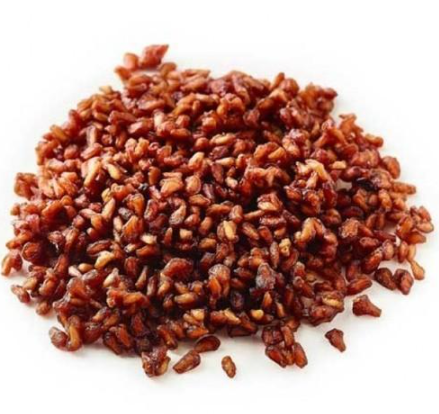
District: Ramban | Category: Food | GI Year: 2024
Ramban Anardana is made from dried seeds of wild pomegranates grown in Ramban district. Producers dry the seeds naturally, keeping their tangy, slightly sweet flavor intact.
Cooks use it in chutneys, curries, and spice mixes across the region. Ramban’s climate gives it a stronger aroma than anardana sourced elsewhere.
7. Ramban Sulai Honey
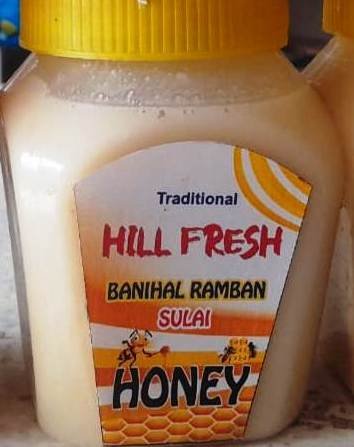
District: Ramban | Category: Food | GI Year: 2023
Ramban Sulai Honey comes from wild bees that forage on Himalayan flowers and medicinal plants in Ramban’s hill areas.
Harvesters use traditional, eco-friendly methods that keep the honey unprocessed. Locals value it for its purity and for its use in traditional remedies to support immunity and digestion.
8. Udhampur Kaladi
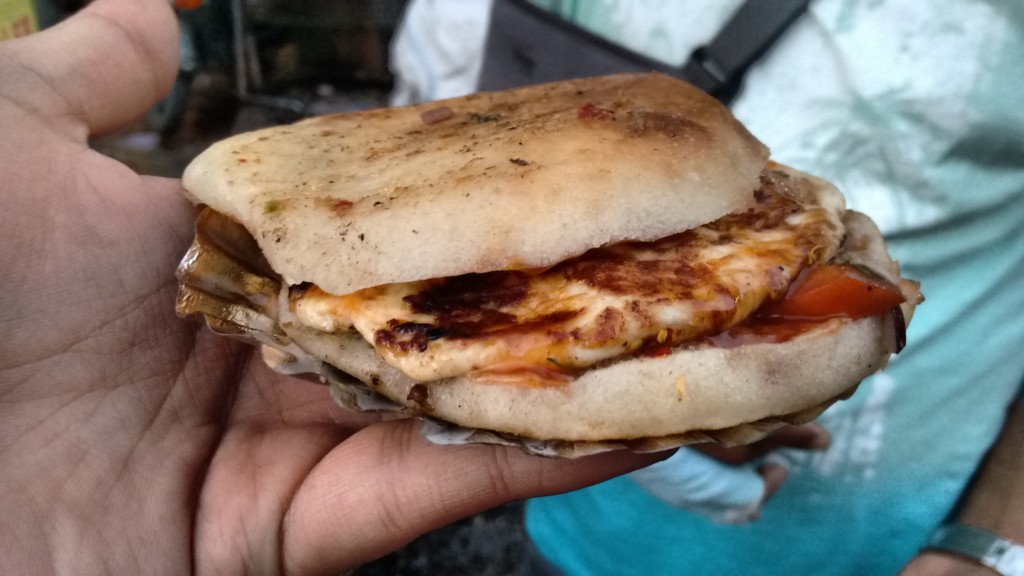
District: Udhampur | Category: Food | GI Year: 2023
Udhampur Kaladi, also called Kalari, is a ripened cheese rooted in Dogra culture. Producers make it from cow or buffalo milk using indigenous methods, with no preservatives.
Cooks usually pan-fry it, which gives it a crisp outer layer and a soft, stretchy center. It is most often served with kulcha and local spices — a Jammu region staple that predates the GI tag by generations.
Why These GI Tags Matter Beyond the Label
Each of these eight products ties directly to one or two districts. That link is the entire point of a GI tag — it stops a factory outside Jammu division from selling a copy under the same name.
For artisans in Kathua, Rajouri, and Poonch, the tag turns a local craft into a legally protected trademark. For farmers in Doda, Ramban, and Udhampur, it turns a regional specialty into a brand buyers can trust.
Jammu division still has products in the pipeline for GI registration. As more get approved, this list will grow past eight.
Frequently Asked Questions
How many GI tags does Jammu division have? Eight products from Jammu division currently hold GI tags: Basohli Painting, Basohli Pashmina, Basmati Rice, Chikri Wood Craft, Bhaderwah Rajmash, Ramban Anardana, Ramban Sulai Honey, and Udhampur Kaladi.
Which Jammu division product got its GI tag most recently? Ramban Anardana received its GI tag in 2024, a year after the other seven products on this list.
Which districts of Jammu division have GI-tagged products? Kathua, Rajouri, Poonch, Doda, Ramban, Udhampur, and Jammu each have at least one GI-tagged product.
Are all Jammu and Kashmir GI tags from Kashmir division? No. Kashmir division holds well-known tags like saffron and pashmina, but Jammu division has its own separate list of eight registered products, with more in the application pipeline.