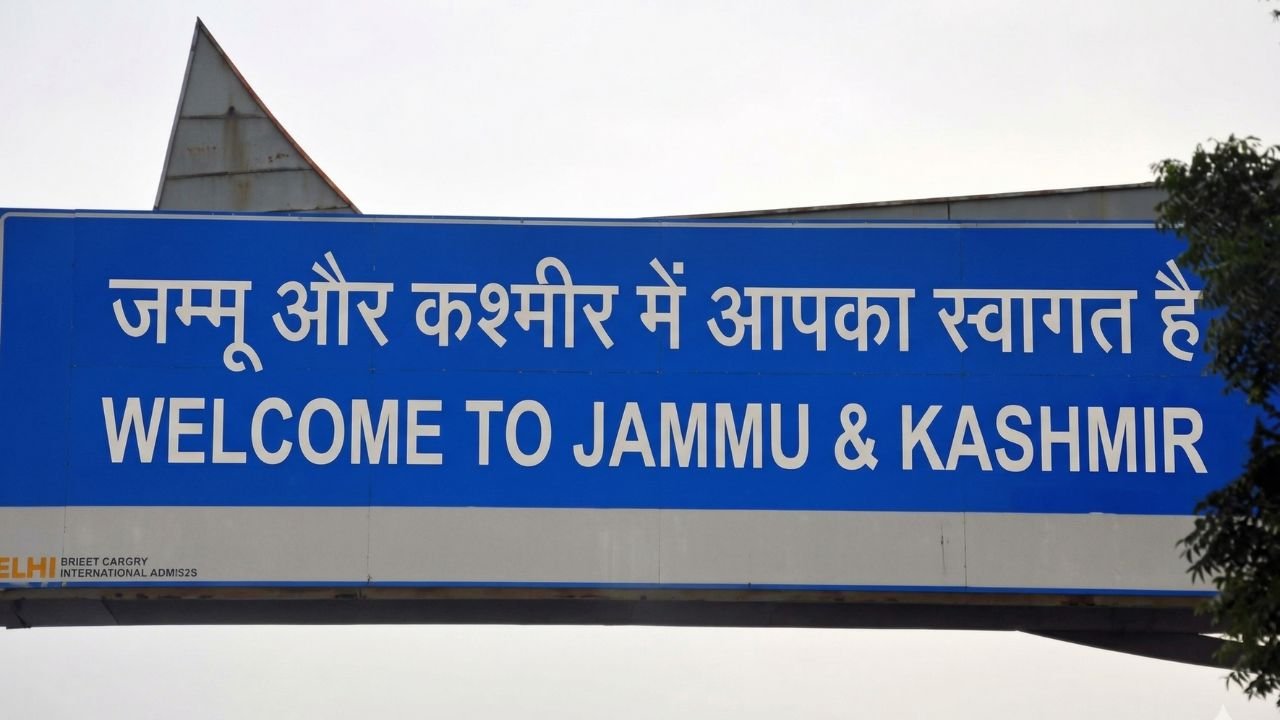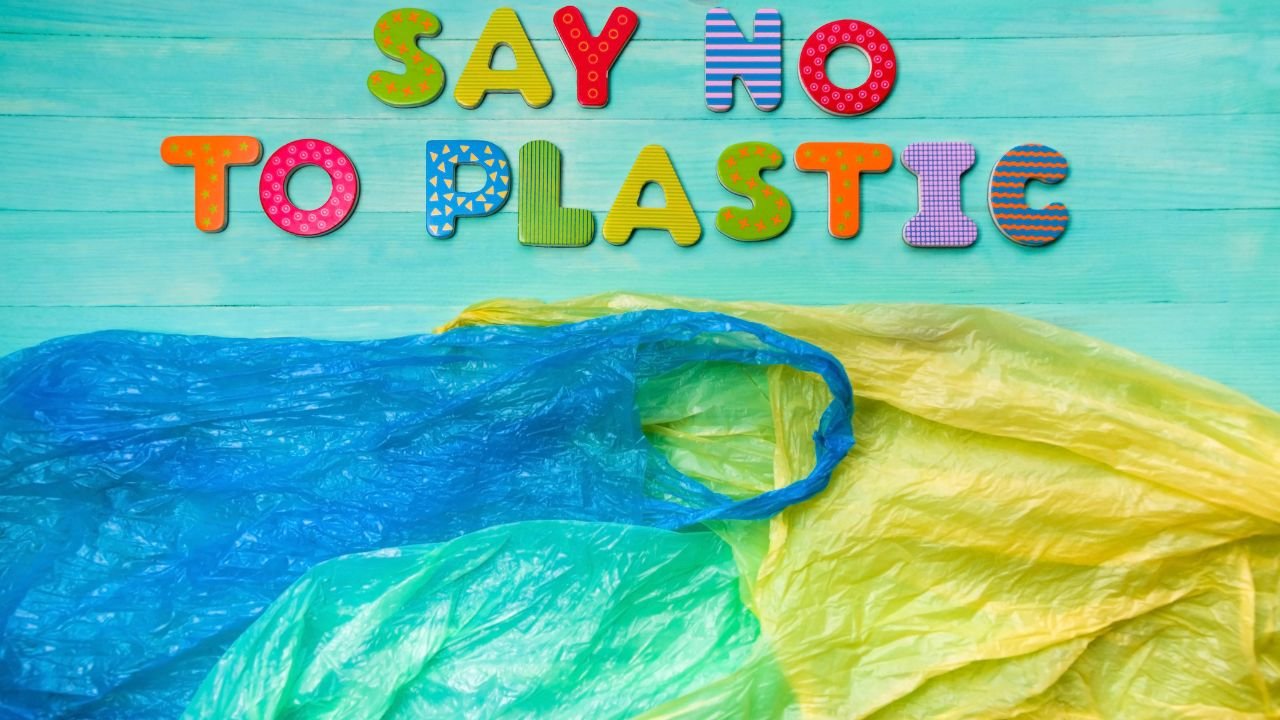
Despite a complete ban on single-use plastic, Jammu & Kashmir continues to struggle with the unchecked use of polythene bags—quietly choking its rivers, forests, and fragile ecosystems. What should have been a landmark environmental reform has turned into a weakly enforced rule, leaving one of India’s most beautiful regions buried under plastic waste.
Let’s take a closer look at how polythene pollution is damaging J&K—and why urgent action is needed.
Plastic Pollution in J&K: A Growing Environmental Crisis
Jammu & Kashmir generates over 50,000 tonnes of plastic and polythene waste every year, according to official estimates. Without a scientific system for waste segregation at source, most of this non-biodegradable garbage ends up in:
- Rivers and lakes
- Forest areas
- Open landfills
- Roadside dumps
These plastic wastes block drainage systems, contaminate water bodies, and destroy natural habitats.
Shockingly, the government has seized more than 1.27 lakh kilograms of polythene and single-use plastic between 2020 and November 2025 during enforcement drives across the Union Territory. Yet, the open use of plastic bags continues almost everywhere—from markets to rural villages.
Why Polythene Is So Dangerous
Polythene bags may look harmless, but they pose a long-term threat to life and nature:
- Plastic bags take over 20 years to start breaking down
- Some plastic products take up to 1,000 years to fully decompose
- Burning plastic releases toxic gases
- Microplastics enter soil and water
- Harmful chemicals move up the food chain, affecting human health
These toxins severely damage flora and fauna—and ultimately return to us through contaminated food and water.
Plastic Ban in J&K: Strong Laws, Weak Implementation
J&K has had strict laws against polythene for years:
- The J&K High Court imposed a blanket ban on polythene in tourist spots and healthcare institutions
- On June 18, 2008, the government issued SRO 182 under the J&K Non-Biodegradable Material Act, banning all polythene bags
Yet successive governments failed to enforce these orders effectively.
Ironically, polythene use has increased manifold after the ban—mainly due to:
- Lack of sustained enforcement drives
- Poor monitoring in rural areas
- Limited availability of eco-friendly alternatives
- Low public awareness
Authorities conduct inspections, raids, and awareness campaigns from time to time, but these efforts remain scattered and inconsistent.
Home to glaciers, mountains, forests, and pristine water bodies, Jammu & Kashmir is facing extreme environmental pressure due to unscientific waste dumping.
Plastic pollution is rapidly degrading tourist destinations, harming wildlife, and turning once-clean landscapes into dumping grounds. If this trend continues, the region risks losing its ecological balance—and its appeal as a global tourist destination.
Protecting our environment today means securing a healthier future for coming generations.
Let’s act now—before plastic becomes the permanent legacy we leave behind.