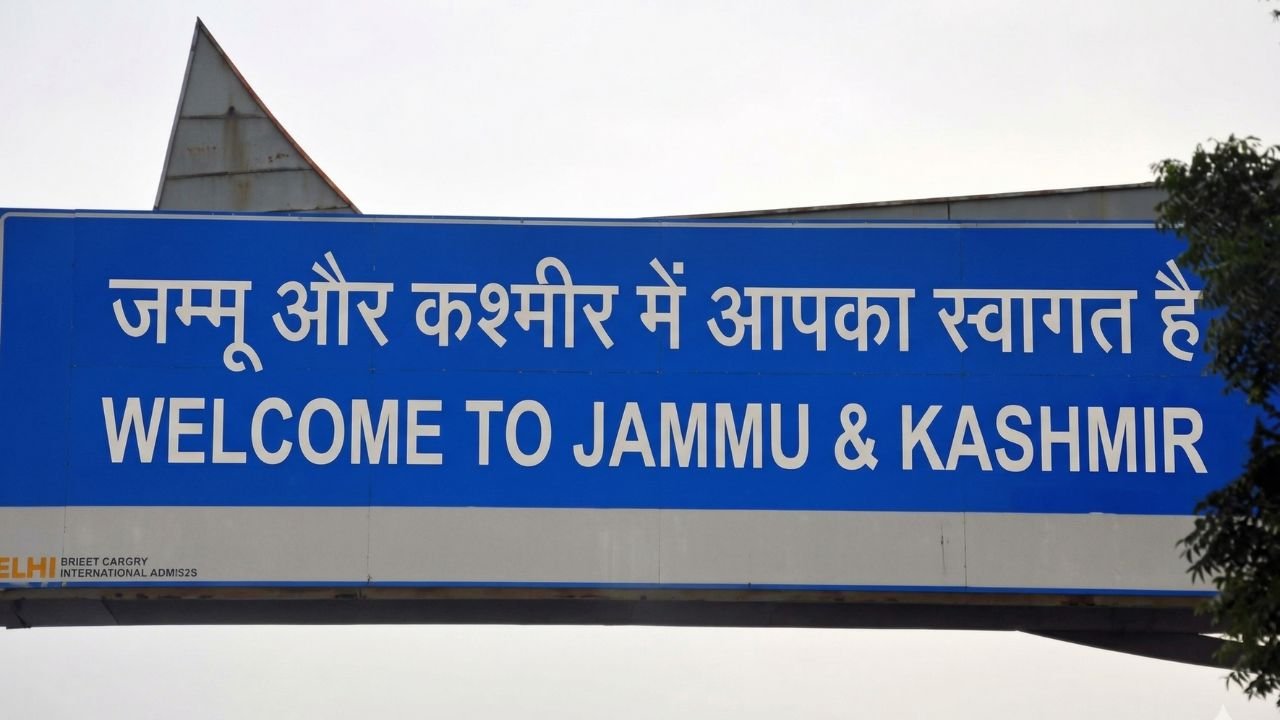
If you are searching for a destination that blends untouched natural beauty, rich history, spiritual energy, adventure, and local flavors, Bhaderwah in Jammu & Kashmir deserves a top spot on your travel list. Often called “Mini Switzerland of India” and “Chota Kashmir”, Bhaderwah is a stunning hill town that quietly steals hearts without the crowds of popular tourist destinations.
From snow-covered winters to flower-filled summers, dense deodar forests to sacred temples, and thrilling adventures to soulful food—Bhaderwah is not just a place to visit, it’s a place to feel.
Why Bhaderwah Is Called a Heaven on Earth
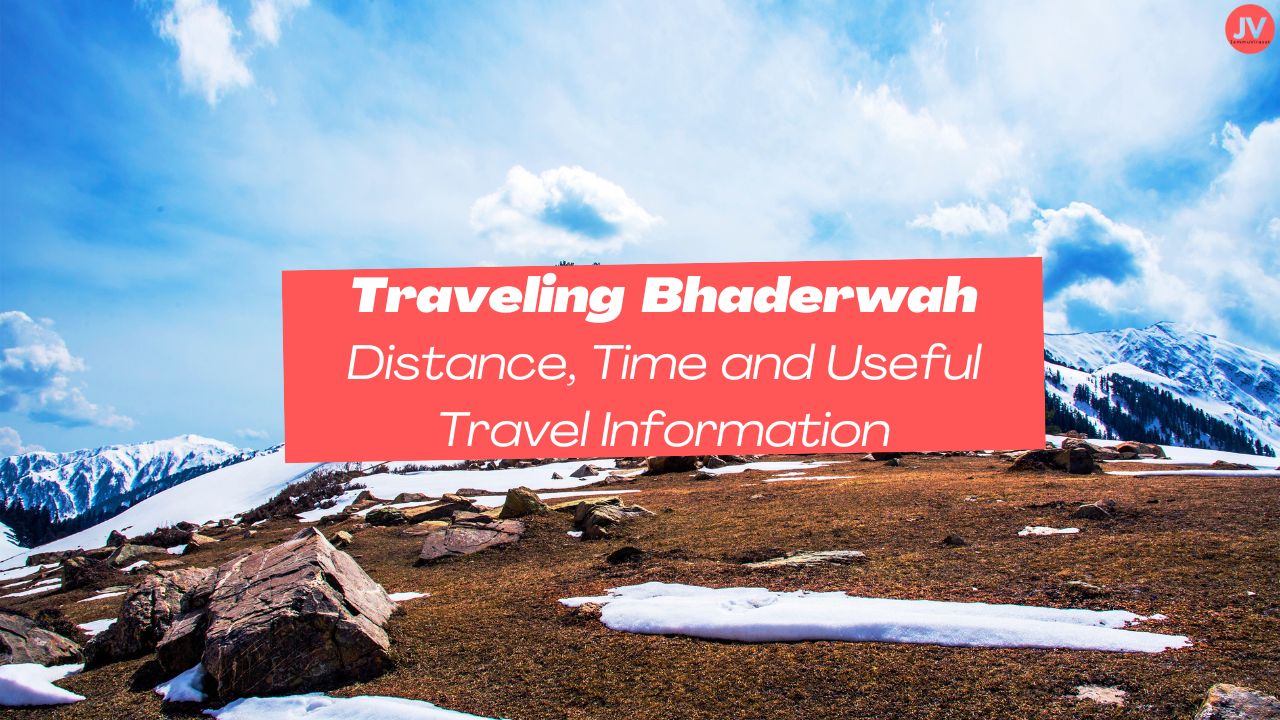
Nestled in a saucer-shaped valley, Bhaderwah is surrounded by deodar and kail forests, with the Neeru River flowing gracefully through its heart. The valley changes colors with every season. Winters wrap it in white snow, while spring and summer paint it with wildflowers and greenery.
The panoramic view of the snow-capped Himalayas, combined with peaceful villages and misty mornings, makes Bhaderwah a dream destination for nature lovers, photographers, and slow travelers.
Why Bhaderwah Is Famous Among Travelers
So, what exactly is Bhaderwah famous for?
Bhaderwah is known for:
- Stunning Himalayan landscapes
- Dense deodar and kail forests
- Snowfall in winters and colorful meadows in summer
- Sacred sites like Kailash Kund and Vasuki Nag Temple
- Adventure activities like trekking, camping, skiing, and paragliding
- The globally loved Bhaderwah Rajmash (kidney beans)
Unlike crowded hill stations, Bhaderwah offers raw beauty, calm surroundings, and authentic mountain culture.
Where Is Bhaderwah Located? (Bhaderwah Distance from Jammu)
Bhaderwah is located in the Doda district of Jammu & Kashmir, nestled in the Chenab Valley.
- Bhaderwah distance from Jammu: approx. 180–200 km
- Travel time by road: 7–9 hours, depending on weather and road conditions
The journey itself is scenic, passing through Udhampur, Batote, and Doda.
History of Bhaderwah: Land of Legends and Kingdoms
Bhaderwah has a fascinating past rooted in mythology and royal history. It is famously known as “Nagon Ki Bhoomi” (Land of Snakes) due to its association with Nag Vasuki and ancient legends. Locally, it is also called Bhadarkashi.
Historically, Bhaderwah was ruled by native rulers until the 8th century AD. Later, it came under the influence of Kashmiri kings Ananta and Kalasha. The region finds mention in the ancient chronicle Rajatarangini.
After the Treaty of Amritsar (1846), Bhaderwah became part of the Dogra Kingdom under Maharaja Gulab Singh. Over time, it transitioned from a princely jagir to a full tehsil, becoming an important cultural and administrative center of the Chenab Valley.
Best Time to Visit Bhaderwah
Bhaderwah is a year-round destination, but the experience changes with seasons.
Spring & Summer (March to June)
- Pleasant weather (6°C to 26°C)
- Ideal for sightseeing, trekking, camping
- Blooming meadows and flower-filled valleys
Monsoon (July to August)
- Lush greenery and dramatic landscapes
- Occasional rainfall enhances scenic beauty
Autumn (September to November)
- Clear skies and crisp air
- Vibrant autumn colors
Winter (November to March)
- Heavy snowfall and frozen landscapes
- Perfect for snow lovers and winter photography
- Temperatures can drop below zero
Things to Do in Bhaderwah
There is no shortage of exciting things to do in Bhaderwah, whether you love adventure or peaceful exploration.
Adventure Activities
- Trekking through Chinta, Seoj, and Bhal Padri
- Paragliding at Khani Top and Thuba
- Camping in Jai Valley and Padri
- Skiing and snowboarding during winter

Nature & Leisure
- Photography of valleys and forests
- Riverside walks along Neeru River
- Sunrise and sunset viewpoints
Cultural Experiences
- Attend local fairs like Mela Patt
- Enjoy Pahari folk music and festivals
Top Places to Visit in and Around Bhaderwah
Bhaderwah offers a perfect mix of nature, spirituality, and heritage.
Vasuki Nag Temple
Located just 3 km from the town, this ancient temple is famous for its black stone idols of Raja Jamute Vahan and Nag Vasuki, standing without support for centuries.
Gupta Ganga Temple
Situated near the Neeru River, this sacred Shiva temple is believed to have connections with the Mahabharata, with a footprint said to belong to Bhima.
Chinta Valley
Only 6 km from Bhaderwah, this valley sits at 6,500 feet and is ideal for picnics and photography.
Seoj Meadows
A paradise for nature lovers, offering lush green meadows and peaceful surroundings.
Padri Pass
Located at 10,500 feet on the Chamba Road, Padri is a popular picnic spot known for heavy snowfall and breathtaking views.
Jai Valley
Around 35 km from Bhaderwah, Jai Valley is perfect for camping, stargazing, and eco-tourism.
Bhaderwah Fort
Built in 1733, this historic fort once sheltered freedom fighters and now stands as a reminder of Bhaderwah’s royal and revolutionary past.
Kailash Kund: The Sacred Heart of Bhaderwah
At an altitude of 13,067 feet, Kailash Kund is one of the most sacred pilgrimage sites in North India. It is the source of the Neeru, Tawi, and Ujj rivers.
The annual Kailash Kund Yatra, held in August, attracts thousands of devotees. According to legend, Lord Shiva visited this holy site, and seven sacred streams originate from the Kund. Bathing here and offering donations is considered extremely auspicious.

Adventure Activities in Bhaderwah
Bhaderwah is an emerging hub for adventure tourism.
- Paragliding at Khani Top and Thuba
- Trekking routes like Hanga Noori–Seoj and Khellani–Seoj
- Camping in Jai Valley and Chinta Meadows
- Snowboarding and skiing at Padri, Thanala, and Chinta
Whether you’re an adrenaline junkie or a casual explorer, Bhaderwah has something exciting to offer.
Culture, Festivals & Heritage of Bhaderwah
Bhaderwah is deeply rooted in tradition, music, and festivals.
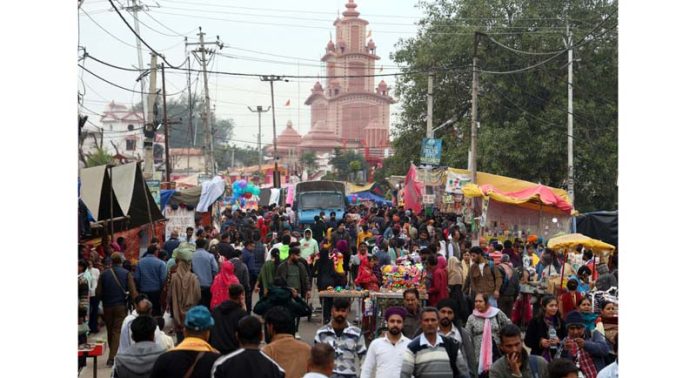
Mela Patt
The most celebrated festival of Bhaderwah, believed to have started in the 16th century. It features vibrant processions, folk music, drums, flutes, and ritualistic dances honoring Lord Vasuki.
Other cultural highlights include Sobar Dhar Mela, Kunchoth, and traditional Pahari folk songs.
How to Reach Bhaderwah
Bhaderwah is best accessed via Jammu.
By Road
- Jammu to Udhampur – 65 km
- Udhampur to Batote – 55 km
- Batote to Pul Doda – 50 km
- Pul Doda to Bhaderwah – 30 km
By Air
- Nearest airport: Jammu Airport
- Well-connected to Delhi, Mumbai, Bengaluru, Amritsar, and Chandigarh
By Train
Major trains include Jammu Mail, Himgiri Express, Shalimar Express, and Jhelum Express.
What to Eat in Bhaderwah
Bhaderwah is famous for its local cuisine, especially its world-renowned Bhaderwah Rajmash.
Why Bhaderwah Rajmash Is Special
- Small-sized beans with rich flavor
- Easy to digest
- Unique color and texture
Must-try dishes include:
- Rogan Josh
- Rajma Chawal
- Yakhni
- Goshtaba
- Modur Pulav
- Kahwah
Street eateries offer authentic local flavors you won’t forget.
Where to Stay in Bhaderwah
Bhaderwah offers comfortable stays for all budgets.
Popular Accommodation Options
- Rose Garden Resort, Tiligarh
- Associate Residency, Tiligarh
- Yatra Base Camp, Sungli
- Forest View Resort, Khellani
- Lake View Resort, Gatha
- Eco-Health Resort, Jai Valley
Tented camps and igloo huts are also available for adventure seekers.
Bhaderwah Travel Itinerary (3 Days)
Here’s a simple and effective Bhaderwah travel itinerary:
Day 1
- Arrival in Bhaderwah
- Visit Bhaderwah Fort and Neeru River
- Explore local markets
Day 2
- Visit Vasuki Nag Temple and Gupta Ganga
- Explore Chinta Valley and Seoj Meadows
- Evening at leisure
Day 3
- Day trip to Padri Pass or Jai Valley
- Optional trekking or camping
- Departure
This itinerary can be customized based on your interests or as part of a Bhaderwah travel package.
Why Bhaderwah Should Be Your Next Trip
Bhaderwah is one of Jammu & Kashmir’s best-kept secrets. It offers everything—scenic beauty, spiritual depth, rich culture, thrilling adventure, and warm hospitality—without the chaos of over-tourism.
If you crave peace, authenticity, and unforgettable mountain memories, Bhaderwah is calling.
Pack your bags. The valley is waiting.