We observe that 2025 has emerged as one of the most turbulent years for Jammu and Kashmir (J&K) in recent history. The region has simultaneously faced intense border hostilities, unprecedented monsoon-related disasters, and a charged political environment that has reshaped governance, public discourse, and regional stability. Together, these forces have tested administrative resilience, civilian endurance, and long-term development planning across the Union Territory.
This comprehensive analysis captures how border conflict, climate-driven calamities, and political churn intersected to define Jammu and Kashmir in 2025.
Ceasefire Violations and Security Challenges

We note a sharp rise in ceasefire violations along the Line of Control (LoC) and the International Border during 2025. Forward villages in Rajouri, Poonch, Kupwara, and Baramulla districts bore the brunt of intensified cross-border shelling, forcing repeated civilian evacuations and disrupting daily life.
Security forces remained on high alert throughout the year, responding to infiltration attempts and ensuring protection of strategic installations. Enhanced surveillance, counter-infiltration grids, and rapid response units became central to maintaining operational readiness.
Nature’s Fury: The Kishtwar Cloudburst

Climate change hit the Himalayas hard in August when a massive cloudburst in Kishtwar killed over 50 people. The resulting flash floods in the Tawi River caused widespread destruction, prompting a renewed government focus on disaster management and “Green Infrastructure” for the region.
Chenab Rail Bridge: Ushering a New Era in Jammu & Kashmir’s Railway Connectivity
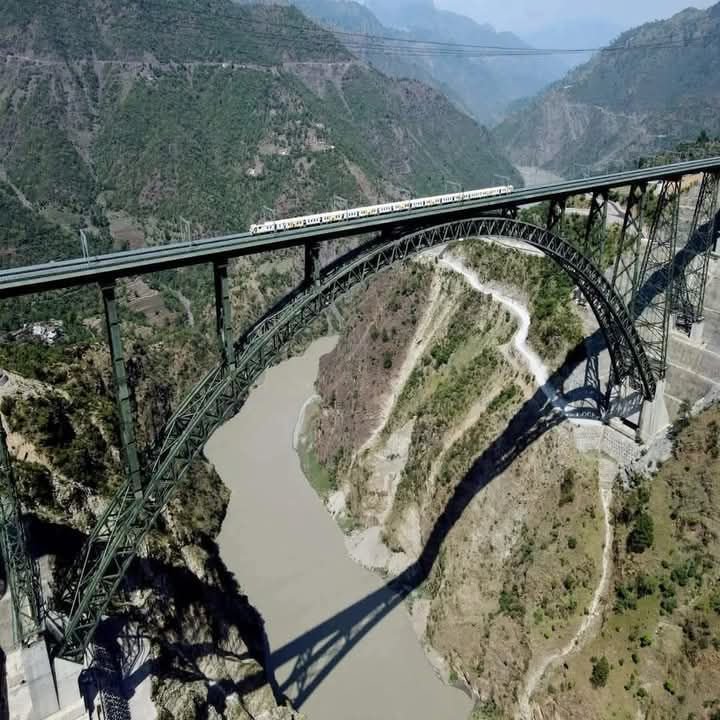
In a landmark moment for national integration of the Chenab Rail Bridge, an engineering feat of global stature, stands as the tallest railway bridge in the world, towering 359 meters above the Chenab River. Spanning 1,315 meters in length, it connects the Bakkal and Kauri villages in the Reasi district of Jammu & Kashmir. This critical link is part of the ambitious Udhampur-Srinagar-Baramulla Rail Link (USBRL) project, aiming to integrate Kashmir with the national rail network. Prime Minister Narendra Modi inaugurated the direct Vande Bharat Express linking Kashmir to the rest of India. This rail link effectively ended decades of geographical isolation, slashing travel times and providing a reliable alternative to the often-blocked Jammu-Srinagar National Highway.
The Tragedy at Baisaran: The Pahalgam Attack

The peace of the valley was briefly shattered on April 22 when a terror attack in the Baisaran meadows claimed the lives of 26 people, mostly tourists. The incident triggered a momentary dip in tourism and led to the temporary closure of several high-altitude spots, serving as a grim reminder of the region’s fragile security.
Operation Sindoor: India’s Decisive Counter-Terror Shift
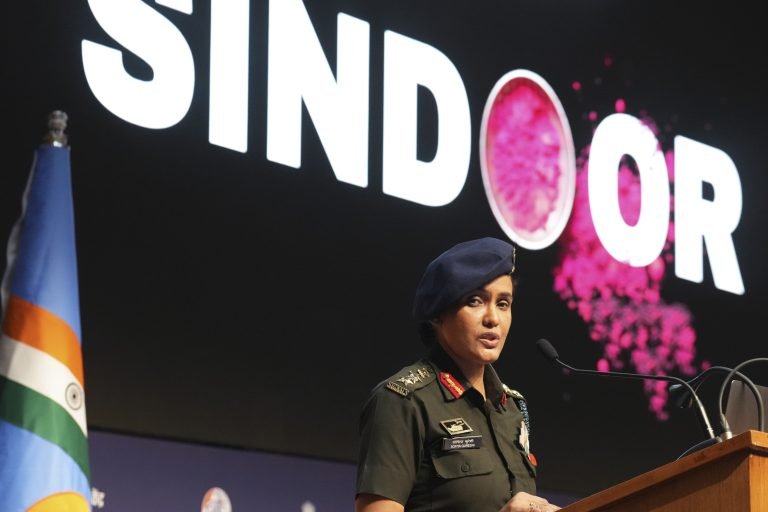
Following a tragic terror attack in Pahalgam in April, India launched Operation Sindoor on May 7. This military response involved precise strikes against terror infrastructure across the Line of Control (LoC). Security analysts view this as a significant hardening of India’s retaliatory posture, marking 2025 as a year of “deterrence-first” policy.
The Return of the Darbar Move
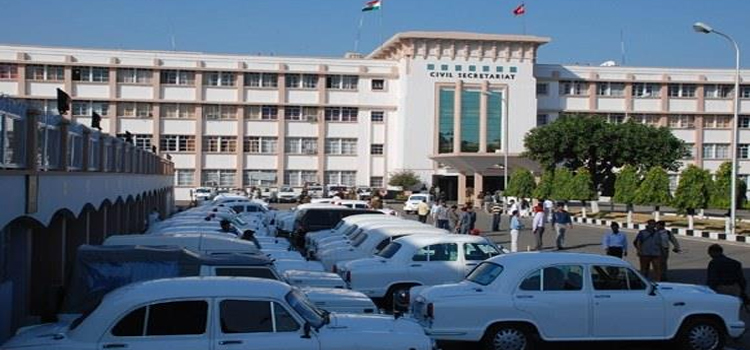
Breaking a three-year hiatus, Chief Minister Omar Abdullah officially reinstated the Darbar Move in October 2025. This centuries-old tradition of shifting the seat of government between Srinagar and Jammu remains a vital cultural and economic bridge between the two regions, signaling a return to administrative normalcy.
Mithun Manhas from Jammu & Kashmir Becomes BCCI President

In a historic win for the region, former J&K and Delhi captain Mithun Manhas was elected BCCI President at the recent AGM. Backed by the JKCA, the “son of the soil” transitions from a legendary playing career to the pinnacle of cricket administration. Between 1997 and 2017, Manhas amassed 9,714 first-class runs with 27 centuries, notably leading Delhi to a Ranji title in 2008. A veteran of the IPL (CSK, Delhi, Pune), his appointment signals a new era for grassroots development. His rise from the margins to leadership marks 2025’s most significant sporting milestone for Jammu and Kashmir.
Economic Crackdown: The EOW’s Impactful Year

The Economic Offences Wing (EOW) of the J&K Crime Branch reported its most productive year yet. By resolving over 1,200 public complaints and disposing of 100 high-profile fraud cases, the wing sent a clear message: accountability and transparency are the new benchmarks for governance.
Record-Breaking Rains Across Jammu and Kashmir

We witnessed one of the most destructive monsoon seasons in decades. Torrential rainfall triggered flash floods, landslides, and river overflows across both the Jammu and Kashmir divisions. Rivers including the Chenab, Jhelum, Tawi, and Ravi crossed danger levels multiple times.
Districts such as Ramban, Doda, Kishtwar, Anantnag, Pulwama, and Udhampur faced repeated weather emergencies, severely damaging infrastructure and isolating remote habitations.
Infrastructure Damage and Economic Losses
We assess that highways, bridges, power projects, and rural roads suffered extensive damage. The Jammu–Srinagar National Highway remained closed for prolonged periods due to landslides, severely disrupting supply chains.
Key impacts included:
- Massive damage to public infrastructure
- Crop losses affecting horticulture and agriculture sectors
- Power outages due to damaged transmission lines
- Drinking water shortages in urban and rural areas
Economic Impact: Tourism, Trade, and Livelihoods
Tourism Under Pressure Yet Resilient
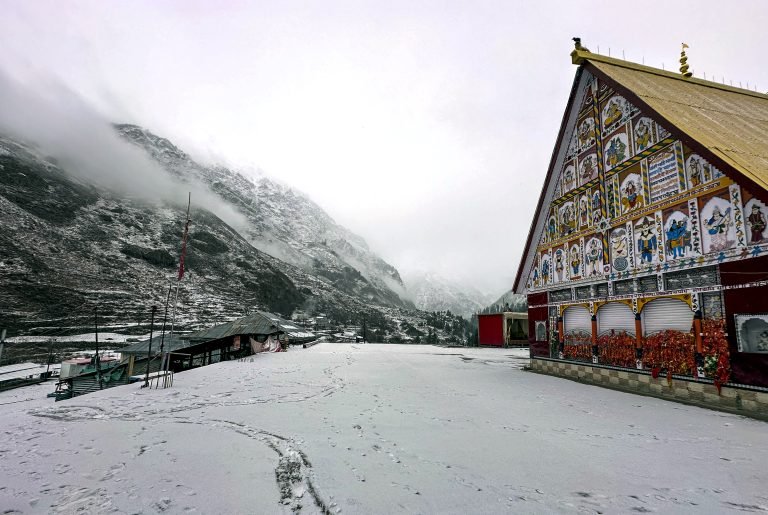
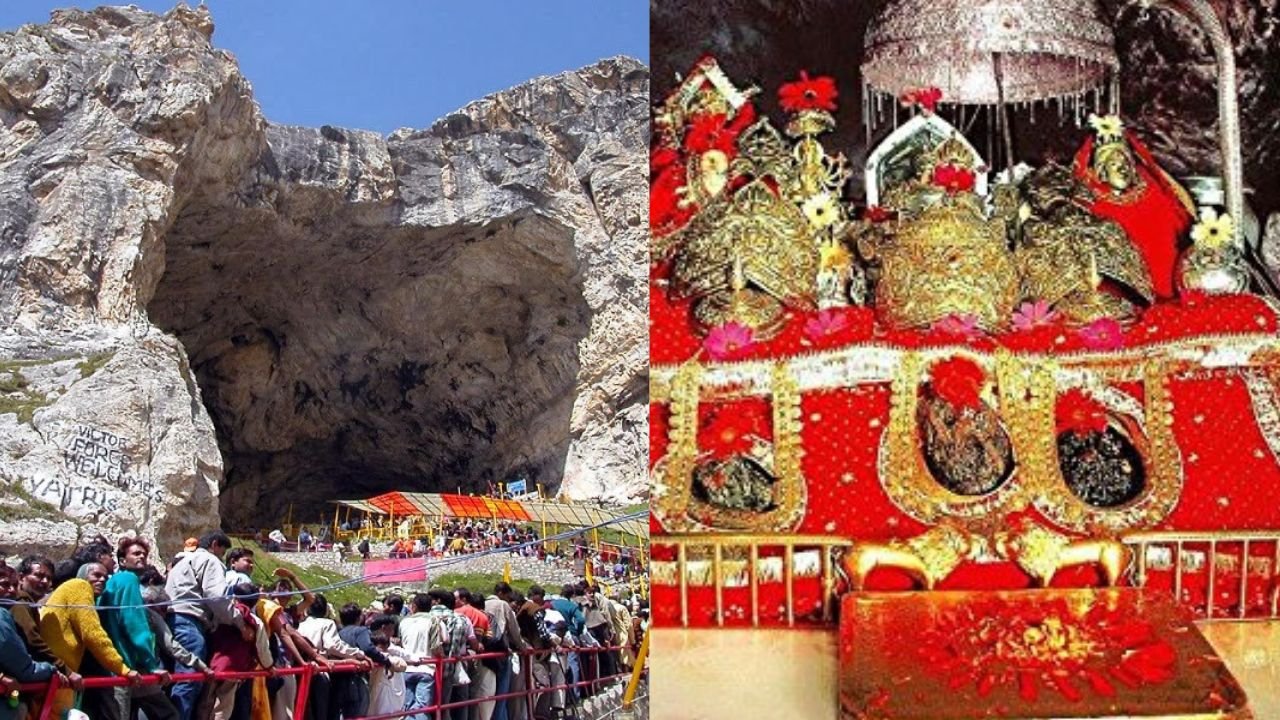
We acknowledge that despite disruptions, tourism showed resilience in parts of the region. While border tensions and weather extremes affected tourist inflow temporarily, pilgrimage circuits and select destinations continued to attract visitors with enhanced security and infrastructure support.
Local Economy and Employment Challenges
We highlight that small businesses, transport operators, farmers, and daily wage earners faced severe income losses. Economic recovery remains closely tied to stability, infrastructure restoration, and climate-resilient development.
The Way Forward: Building Resilience in Jammu and Kashmir
Strategic Priorities for the Future
We emphasize that 2025 has underscored the urgent need for:
- Climate-resilient infrastructure planning
- Strengthened border area development
- Integrated disaster management systems
- Inclusive and responsive governance
A coordinated approach involving security, environment, and political stability is essential to safeguard the future of Jammu and Kashmir.
We conclude that 2025 will be remembered as a watershed year for Jammu and Kashmir—a period marked by adversity, resilience, and transformation. Border hostilities, climate-induced disasters, and political dynamism collectively reshaped priorities and exposed vulnerabilities.
The lessons of 2025 present an opportunity to build a safer, more resilient, and inclusive future for the region—one that balances security imperatives, environmental sustainability, and democratic aspirations with equal resolve.