The Pandav Gufa, nestled near Jia Pota Ghat in Akhnoor (about 28 km from Jammu), is a site steeped in the history of the Mahabharata. It was during their Agyatvas, or incognito exile, that the Pandavas lived at the court of King Virata in Viratnagar—modern-day Akhnoor. These caves, believed to be over 5,000 years old, are sacred remnants from that era, making these caves a powerful symbol of India’s ancient spiritual heritage.
According to ancient legends, the Pandavas—Yudhishthir, Bhima, Arjun, Nakul, and Sahadev—along with their wife Draupadi, took refuge in these caves during their one-year exile period. This phase, known as Agyatvas, came after their 12-year forest exile, following the loss of their kingdom to the Kauravas in a game of dice. During this time, they lived in disguise to remain unrecognized, as discovery would have forced them to repeat their 13-year exile.
The Pandava Caves in Akhnoor thus symbolize a period of divine endurance, wisdom, and faith. Locals believe that the Pandavas meditated and worshipped Lord Shiva here, seeking his blessings for victory in the Mahabharata war.
Bhima and the Calm of the Chenab River
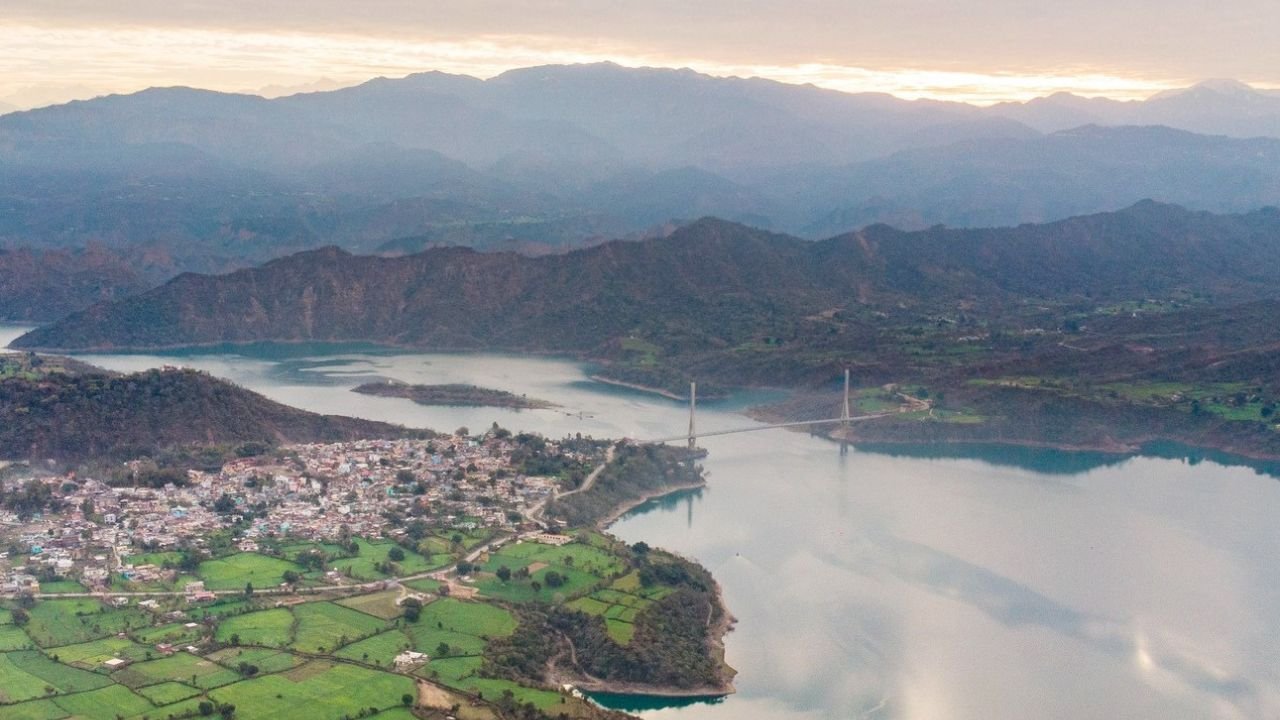
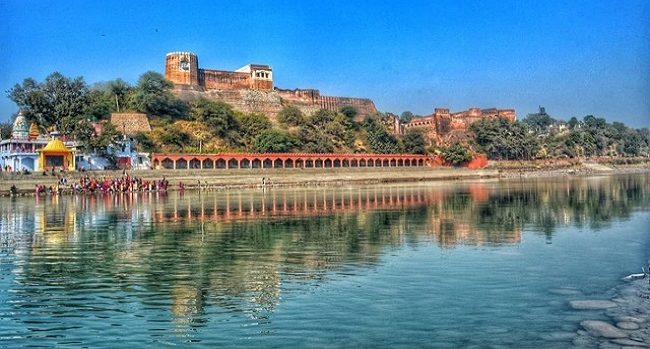
One of the most fascinating legends associated with the Pandava Caves is the story of Bhima and the Chenab River. It is said that the roaring sound of the river disturbed the Pandavas’ penance. To restore peace, Bhima used his immense strength and divine powers to calm the river. Even today, the Chenab remains unusually calm within a 500-meter stretch near the cave, flowing normally before and after it—an enduring sign of Bhima’s might.
In ancient times, this river was known as Chandrabhaga, and its tranquil waters continue to intrigue both pilgrims and historians.
Divine Footprints of Lord Krishna
Another captivating legend tells of Lord Krishna’s visit to the Pandavas during their exile. He is believed to have disguised himself as a young boy, entering the cave along with his cows. Inside, Lord Krishna and the Pandavas are said to have devised the strategy to defeat the Kauravas in the great war of Mahabharata.
A large rock inside the cave still bears what are believed to be the footprints of Lord Krishna and his cows, offering devotees a divine connection to this sacred narrative.
The Sacred Aap Shambhu Shivalinga
Inside the Pandava Cave, a naturally formed Aap Shambhu Shivalinga stands as the centerpiece of devotion. It is believed that the Pandavas worshipped this Shivling daily, offering prayers to Lord Shiva for guidance and victory.
Additionally, an ancient idol of Lord Hanuman, said to have been installed by Bhima, adorns the cave. According to folklore, Bhima prayed to Lord Hanuman for strength and was blessed with immense power and invincibility—a boon that made him one of the mightiest warriors in the Mahabharata.
Battle of Faith and the Path to Amarnath
The Pandava Caves are also linked to an incident involving King Virata’s commander, who cast an evil eye on Draupadi. Bhima confronted and defeated him in a fierce battle at this very site. After the conflict, the Pandavas and Draupadi are believed to have traveled from Akhnoor to the sacred Amarnath Cave to seek the blessings of Baba Barfani (Lord Shiva). Another tale narrates that when the Kauravas came searching for them, the Pandavas evaded capture by traveling through this sacred cave to reach the safety of Amarnath.
Local tales even suggest that a hidden tunnel from the Pandava Cave leads directly to the Amarnath Shrine in Kashmir, further deepening the mystical aura surrounding this place.
Symbolism of the Agyatvas Period
The Agyatvas—the final year of the Pandavas’ 13-year exile—holds deep philosophical significance. It represents resilience, humility, and the triumph of virtue over adversity. During this phase, the Pandavas are said to have lived in King Virata’s court in disguise, symbolizing the endurance of righteousness in silence.
The Pandava Caves in Akhnoor serve as a timeless monument to this journey, marking the intersection of faith, devotion, and ancient Indian spirituality.
Archaeological and Spiritual Significance
Today, the Pandav Gufa in Akhnoor attracts not only devotees but also history enthusiasts and travelers eager to explore its ancient origins. Every corner of the cave echoes with tales from the Mahabharata, while the surrounding Chenab River and Jia Pota Ghat enhance its spiritual serenity.
Visitors can still witness the Shivling, the ancient Hanuman idol, and the sacred footprints, all of which serve as powerful symbols of divine presence. The cave’s enduring calmness, even amidst the flowing Chenab, continues to mystify visitors and strengthen belief in the legends.
Pandava Caves: A Living Legacy of Faith
The Pandava Caves of Akhnoor are not merely an archaeological wonder—they are a living testament to India’s mythological past and spiritual strength. The site bridges the gap between history and divinity, reminding every visitor of the enduring power of belief and devotion.
Every year, thousands of pilgrims and tourists visit Akhnoor to seek blessings, meditate, and reconnect with the timeless energy of this sacred place. As the sun sets over the Chenab and the gentle wind flows through the cave, one can almost feel the presence of the Pandavas and Lord Krishna—guardians of dharma and symbols of faith.
Key Facts about Pandava Gufa, Akhnoor
- 📍 Location: Near Jia Pota Ghat, Akhnoor, 28 km from Jammu
- 🕉️ Mythological Link: Mahabharata’s Agyatvas period
- 🪔 Main Deities: Lord Shiva (Aap Shambhu Shivalinga) and Lord Hanuman
- 🌊 Unique Feature: Calm waters of the Chenab River near the cave
- 👣 Divine Markings: Footprints of Lord Krishna and his cows on rock
- 🚩 Religious Importance: Pandav’s stayed here and this cave believed to connect to the sacred Amarnath Shrine
The Pandav Gufa in Akhnoor stand as a remarkable fusion of spirituality, and nature. From Bhima’s strength that stilled the Chenab to Krishna’s footprints immortalized in stone, every legend enriches the cave’s divine narrative. For devotees, historians, and curious travelers alike, the Pandava Cave remains one of Jammu’s most enchanting religious destinations, a place where myth and reality harmoniously converge.