Nestled in the lap of Jammu and Kashmir, Samba District is a fascinating destination where history, culture, and spirituality blend beautifully. Known as the “Land of Rajput Warriors” and the “City of Sheets”, Samba offers a glimpse into ancient heritage, vibrant craftsmanship, and serene landscapes. Whether you are a history buff, a spiritual seeker, or a curious traveller, Samba welcomes you with open arms.
A Glimpse into Samba’s Glorious Past
Samba’s origin dates back to around 1400 A.D., when Malh Dev, the younger son of Rai Saidu of Lakhanpur, founded this ancient town. As folklore narrates, Malh Dev married into the family of Ghotar, a local tribesman, and settled here, establishing Samba as his capital.
During 1816 A.D., the region came under the supremacy of Jammu under Hari Dev, and later, in 1822, Suchet Singh, the younger brother of Raja Gulab Singh, became the ruler of Bandralta and Samba. Raja Suchet Singh also built the magnificent Samba Fort and established 22 Mandies (markets), making the region a flourishing trade hub.
By 1846 A.D., Samba was officially annexed to Jammu & Kashmir by Maharaja Gulab Singh, firmly integrating it into the state’s administrative framework.
Formation of Samba as a District
The administrative formation of Samba as a separate district is fairly recent. It was officially created through Government Order No. 1345 GAD of 2006, dated 27 October 2006. Initially comprising one tehsil and 382 villages, the district now includes 6 tehsils, 55 Patwar Halquas, and 101 Panchayats.
The district has four major urban towns — Samba, Vijaypur, Ramgarh, and Bari Brahmana — each contributing to the district’s cultural and economic identity. According to SRO No. 444 (21.10.2014), the district currently consists of 381 villages.
Cultural Legacy and Handicrafts
Samba’s rich legacy shines through its traditional Calico Printing, a heritage craft that uses natural dyes and hand-carved wooden blocks to print intricate patterns on cotton fabrics. This unique art has earned Samba the title “City of Sheets”.
The district is also celebrated for its valorous Rajput lineage, having produced many gallant soldiers, including Brigadier Rajinder Singh, MVC, the first recipient of India’s gallantry award after independence.
Geographical & Climatic Overview
Located at an altitude of 384 meters, Samba shares borders with Jammu, Udhampur, and Kathua districts. Its central location makes it accessible and equally distant from all three district headquarters.
- Summer Temperature: 26.2°C to 43.0°C
- Winter Temperature: 4.3°C to 23.4°C
- Best Time to Visit: October to April
- Recommended Clothing: Light cottons in summer and medium to heavy woollens in winter
How to Reach Samba
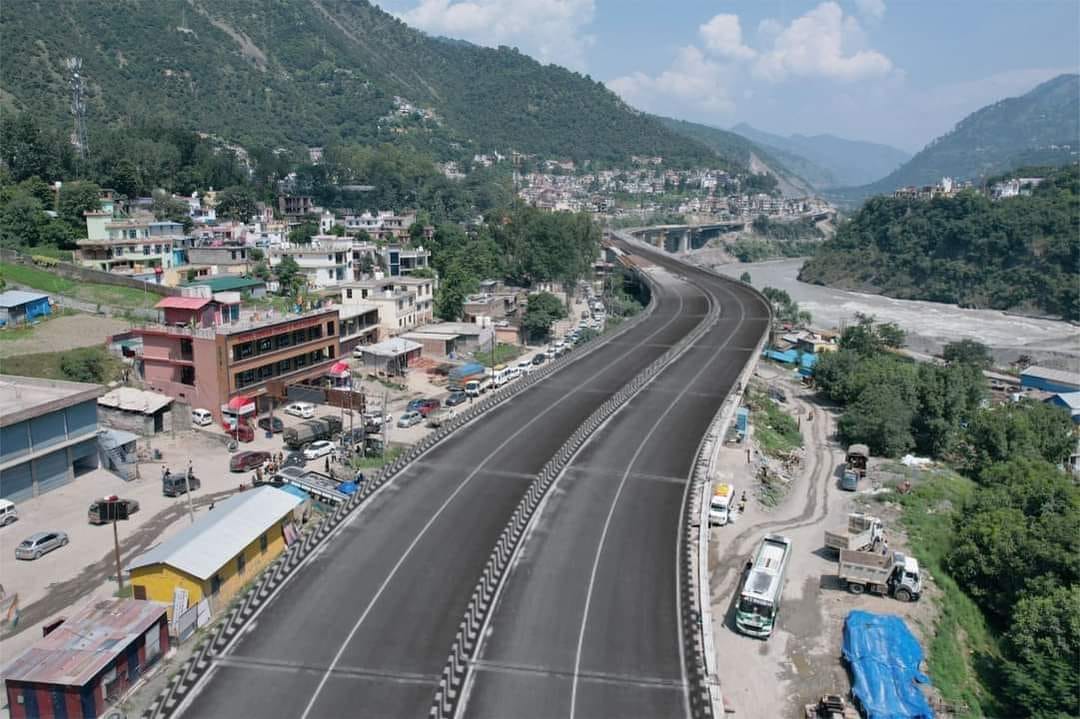
Samba is strategically located on National Highway 1A, making it well-connected by air, rail, and road.
By Air
The nearest airport is in Jammu, about 40 km from Samba. Major airlines operate regular flights from major Indian cities like Delhi, Mumbai, and Srinagar to Jammu.
By Rail
Samba Railway Station is an important stop for north, south, east, and west-bound express and superfast trains, providing excellent rail connectivity across India.
By Road
Samba lies directly on National Highway 1A, ensuring smooth road connectivity to major cities in Jammu & Kashmir and beyond.
Where to Stay in Samba
Samba offers a variety of accommodation options, from budget hotels to mid-range lodges. Tourists can find hotels in Samba Town, Bari Brahmana, and Vijaypur, catering to every budget and comfort level. Most hotels offer scenic views, traditional cuisine, and warm hospitality.
Top Tourist Attractions in Samba
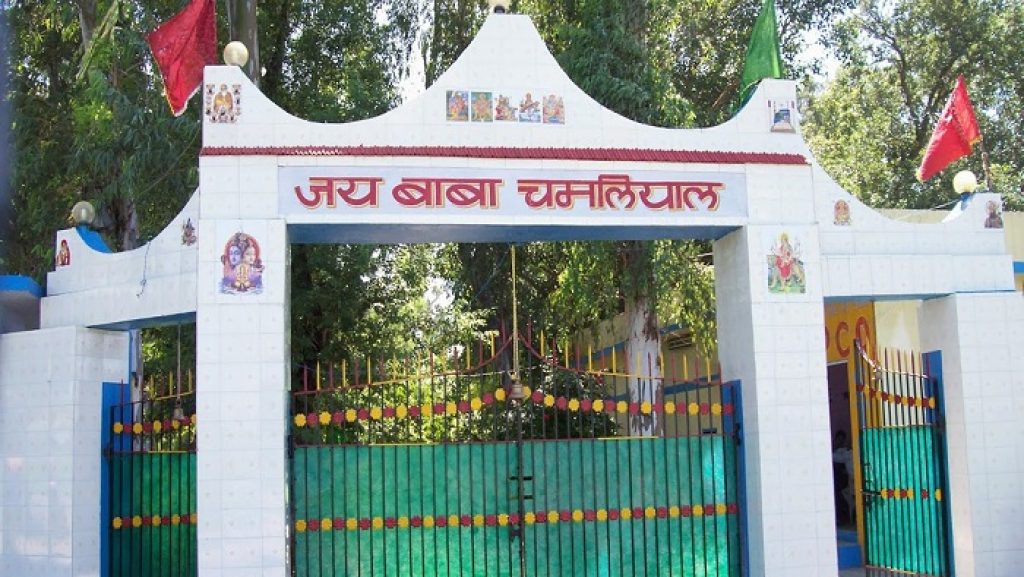
1. Baba Chamliyal Shrine
Located about 17 km from Samba town and 40 km from Jammu, this shrine stands as a powerful symbol of interfaith harmony. Every year, during June–July, a vibrant mela (fair) is held to honor Baba Dalip Singh Manhas. Devotees from Jammu, Punjab, Himachal, and even Pakistan visit the shrine, where Pakistani Rangers offer a “Chaadar” and receive Shakkar (sacred clay) and Sharbat (holy water) believed to have healing properties.
2. Baba Sidhgoriya Shrine
Situated in Swankha, about 35 km from Jammu, this shrine is dedicated to Baba Sidhgorian Nath Ji, a devoted follower of Guru Gorakh Nath Ji. Thousands of devotees attend the annual fair, making it a major religious gathering in Samba.
3. Shri Narsingh Dev Ji Temple
Located just 300 meters from National Highway at Ghagwal, this centuries-old temple dedicated to Lord Vishnu draws huge crowds, especially during Navratras and other festivals.
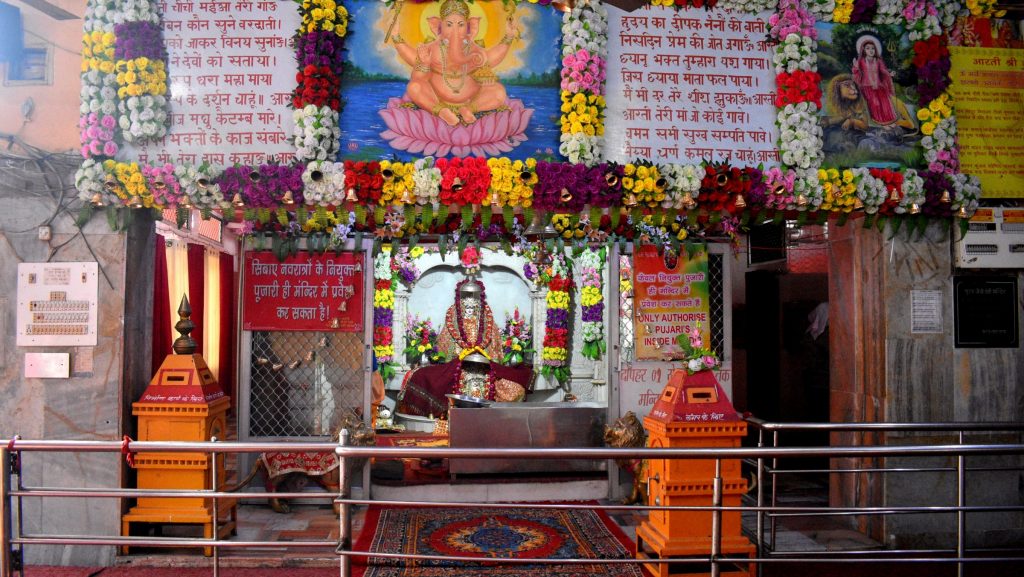
4. Chichi Mata Temple
According to legends, the smallest finger of Goddess Sati fell here during her self-sacrifice, leading to the establishment of this sacred temple. The temple is only 3 km from Samba, making it a popular local pilgrimage site.
5. Purmandal and Utterbahni
Known as “Chhota Kashi”, Purmandal is situated on the banks of the sacred Devika River, surrounded by the Shivalik Hills. The area is dotted with ancient Shiva temples that hold immense religious significance. Utterbahni, just 5 km away, also hosts centuries-old temples and is a must-visit spiritual destination.
Other Historical Sites
Samba boasts several ancient forts that showcase its royal past and architectural grandeur:
- Mohargarh Fort
- Dhergarh Fort
- Bhupnergarh Fort
- Samba Fort
These forts, though in ruins, narrate tales of bravery, trade, and royal heritage.
Things to Do in Samba
- Relish Local Flavours at Thandi Khui: Famous for its Barfi (Indian sweet) and hot tea, this iconic stop along the highway has been a favorite among locals and tourists for decades.
- Enjoy Highway Dhabas: Sample local delicacies cooked in traditional Sagla (earthen utensils) at roadside eateries along NH-1A.
- Picnic by the Lake: The large freshwater lake near Samba is a popular spot for Sunday outings and family picnics.
- Attend Religious Fairs: Participate in annual melas at Baba Chamliyal, Purmandal, and Swankha for a glimpse of local devotion and festive spirit.
- Explore Handicrafts: Take home authentic Calico printed cotton sheets, a perfect souvenir from the “City of Sheets.”
Samba as an Emerging Industrial Hub
Apart from tourism, Samba is witnessing rapid industrial growth. The Industrial Growth Centre (IGC) offers modern infrastructure with access to power, water, and transport facilities. The district has attracted industries in agriculture, chemicals, plastics, and apparel, boosting local employment and economy.
With its ancient forts, sacred shrines, handicraft traditions, and industrial evolution, Samba District stands as a symbol of resilience and cultural richness. Whether you come for spiritual solace, historical exploration, or local experiences, Samba promises an unforgettable journey filled with warmth, stories, and serenity.