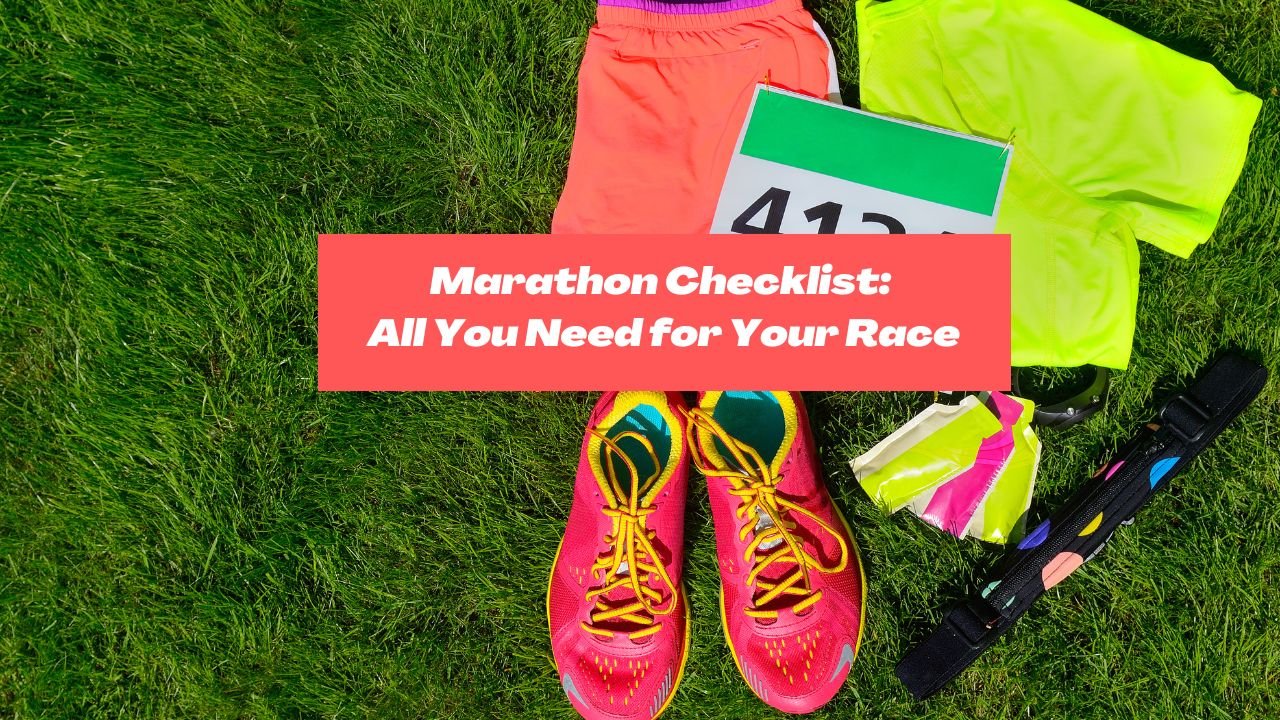
Running a marathon isn’t just about strong legs or mental toughness. It’s about the choices you make long before race day—especially when it comes to your gear. Think of your marathon gear as your silent support system. When it’s right, you barely notice it. When it’s wrong, every step feels harder than it should.
If you’re planning to run a marathon—whether it’s your first or fifth—this guide is for you. No jargon. No confusing advice. Just simple, tested tips to help you choose the right marathon gear and run with confidence.
Why the Right Marathon Gear Really Matters
Covering 42.2 km is no joke. What feels like a “small issue” during training can turn into a race-ending problem on marathon day.
The right running gear:
- Keeps you comfortable for hours
- Reduces injury risk
- Saves energy when fatigue hits
- Boosts confidence at tough moments
The wrong gear can cause blisters, chafing, cramps, or pain—sometimes forcing runners to quit. Choosing marathon gear is like choosing tools for a job. You wouldn’t build a house with weak tools, right?
Understand Your Running Needs Before You Buy
Before spending money, pause and think about your running style and conditions.
Ask yourself:
- Are you a beginner or an experienced runner?
- Will the race be on roads or mixed terrain?
- Is the weather expected to be hot, cold, or rainy?
- Do you sweat heavily?
These answers help you avoid buying gear that looks good online but feels terrible during long runs.
Running Shoes: The Most Important Marathon Gear
If marathon gear had a king, running shoes would wear the crown.
The Marathon Running Shoes listed below are chosen from Amazon’s bestseller category India, ensuring that whichever you pick, you choose one of the best.
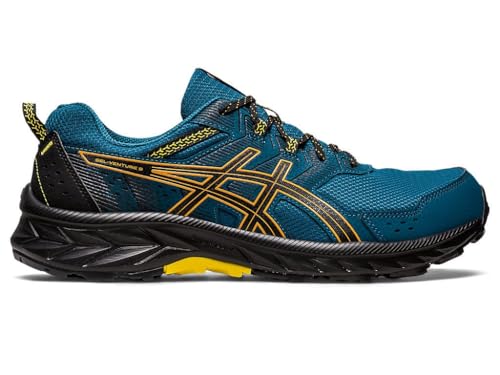
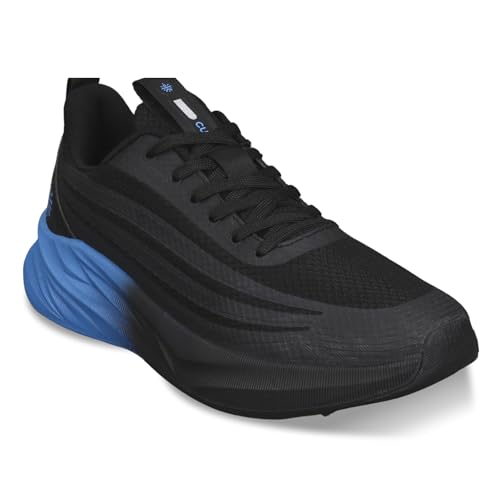
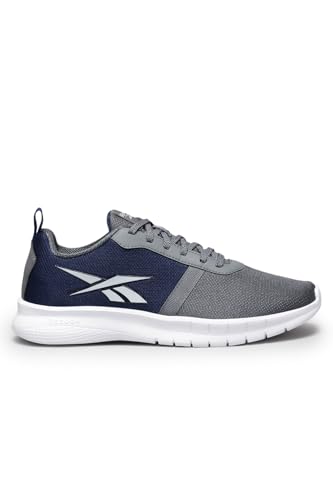
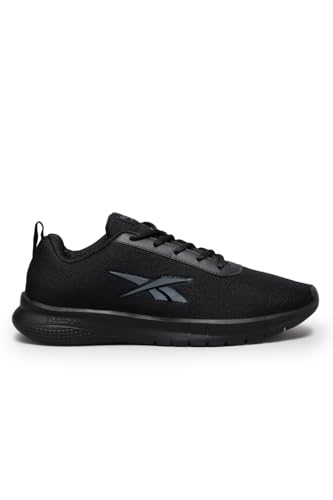

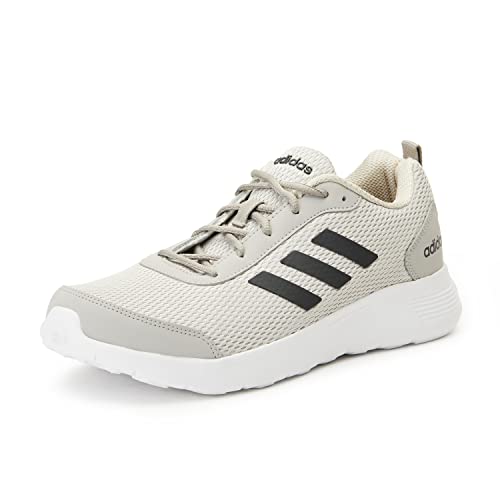
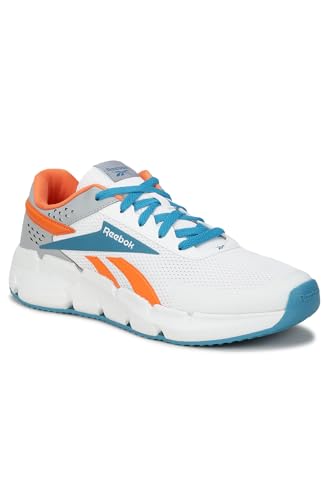
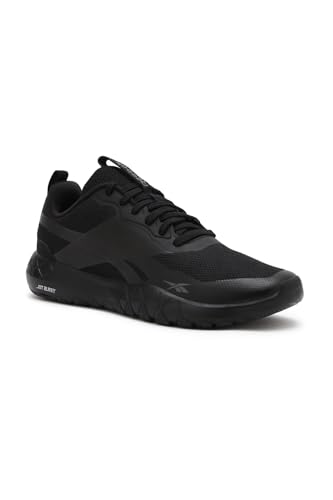
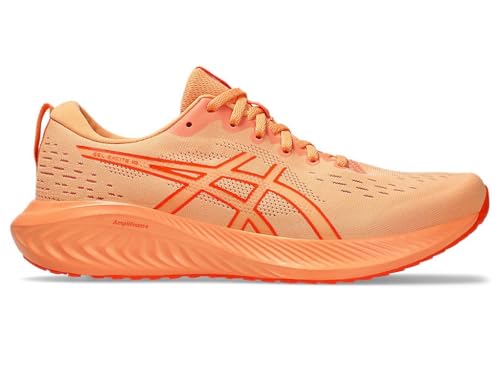
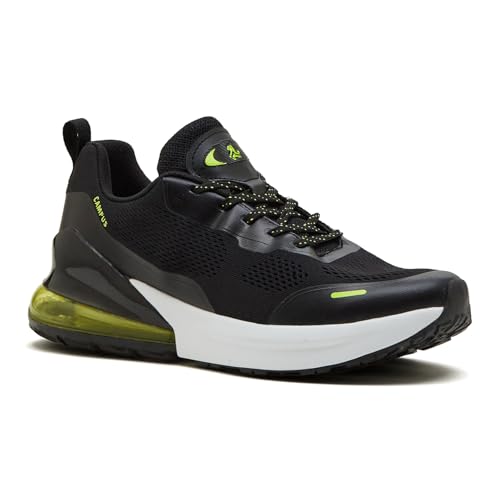
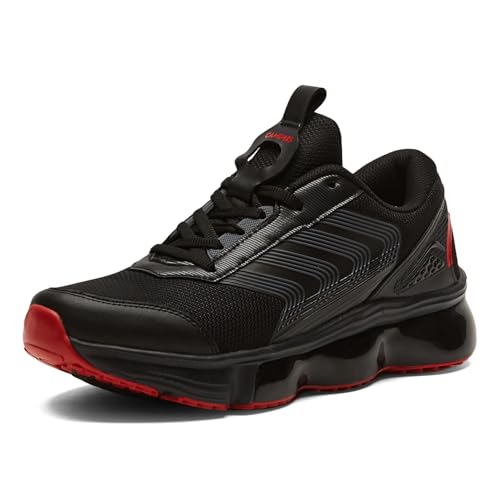
Your shoes will carry you for several hours. A bad choice can ruin months of training.
How to Choose the Right Marathon Running Shoes
The perfect marathon running shoes should feel like a natural extension of your feet.
Look for:
- A snug but comfortable fit
- Enough cushioning for long distances
- Good grip for road surfaces
- Breathable material to reduce sweat
Never buy shoes just because a pro runner uses them. Your feet, weight, and running style are unique.
Road Running Shoes vs Trail Running Shoes
Choose shoes based on where you’ll run, not trends.
Road running shoes
- Lightweight
- Smooth soles
- Ideal for city marathons
Trail running shoes
- Stronger grip
- Extra protection
- Best for uneven terrain
Why Breaking in Shoes Before Race Day Is Critical
New shoes on marathon day? That’s a common and painful mistake.
You should run at least 40–50 km in your marathon shoes before race day. This helps:
- Shoes adjust to your feet
- You spot pressure points early
It’s like breaking in a new chair before sitting for hours.
Running Socks: Small Gear, Huge Impact
Many runners underestimate socks—but they matter.
Good running socks:
- Reduce blisters
- Manage sweat
- Prevent skin friction
Avoid cotton socks. They trap moisture. Instead, choose synthetic or merino wool running socks.
Here are marathon running socks:
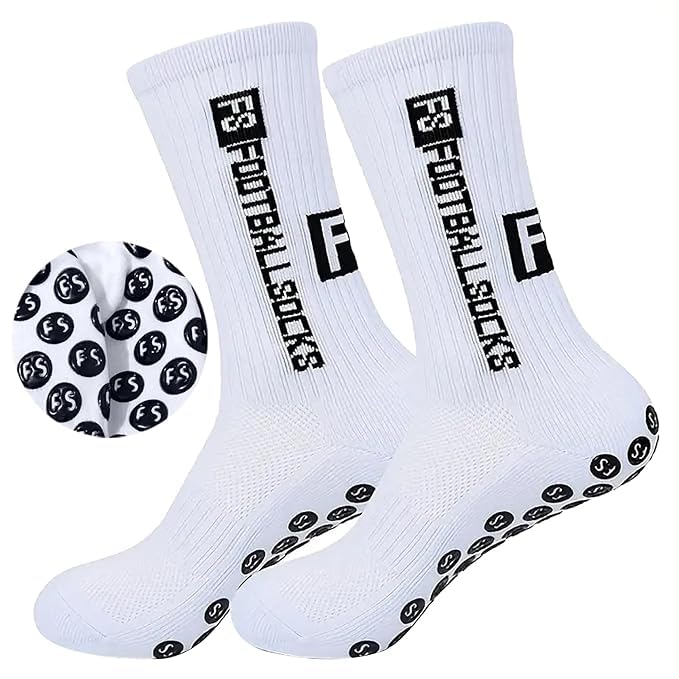
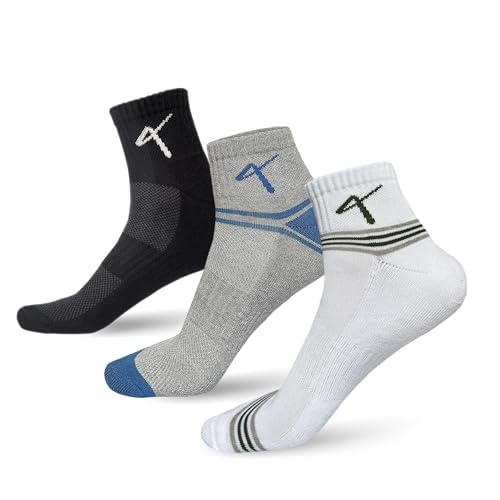
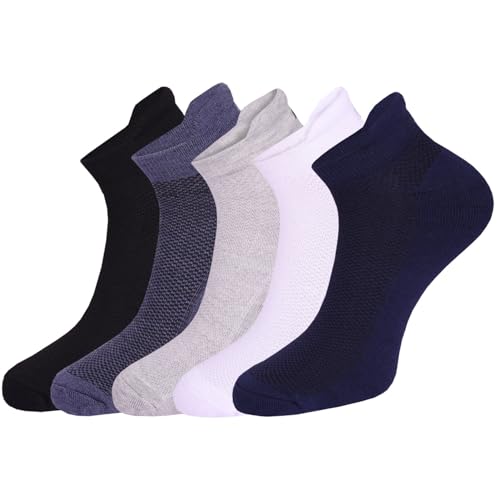
Are Anti-Blister Socks Worth It?
Absolutely—especially for marathon distances.
Anti-blister socks:
- Reduce friction
- Keep feet dry
- Improve comfort after 30+ km
Your feet will thank you near the finish line.
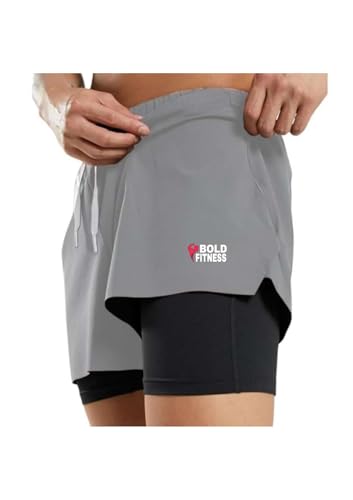
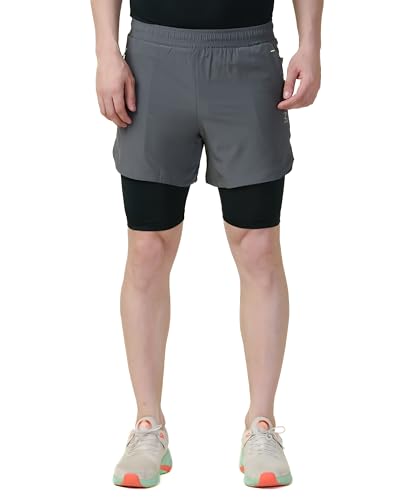
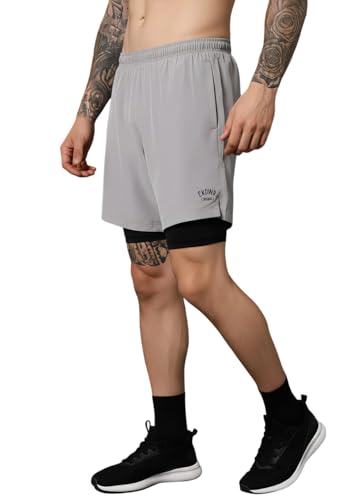
Choosing the Right Running Shorts or Tights
Comfort is everything during a marathon.
Look for:
- Lightweight fabric
- Stretchy material
- Flat seams that don’t rub
Shorts work well in warm weather, while tights are better for cold conditions.
Here are the best running shorts for Marathon are selected from Amazon India bestsellers, so if you choose any of them, you’re buying the best.

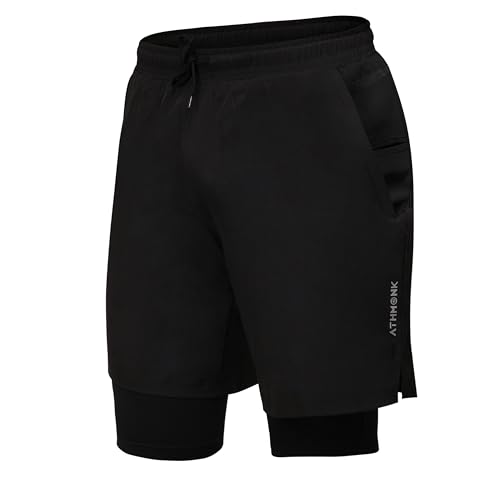


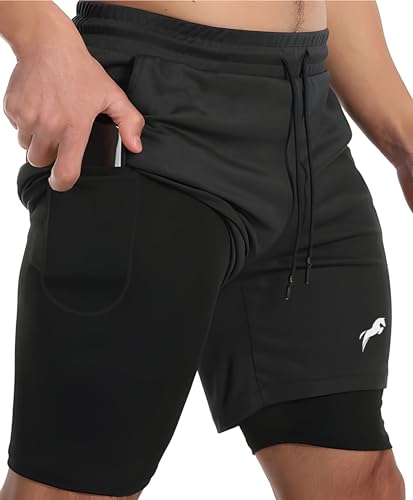
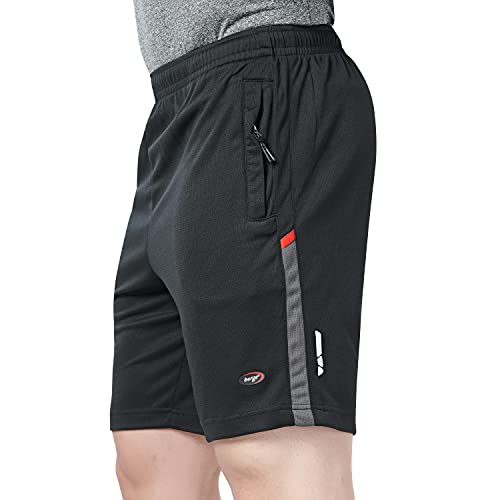
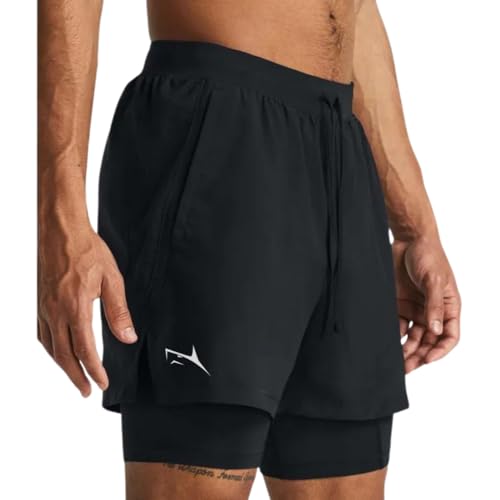
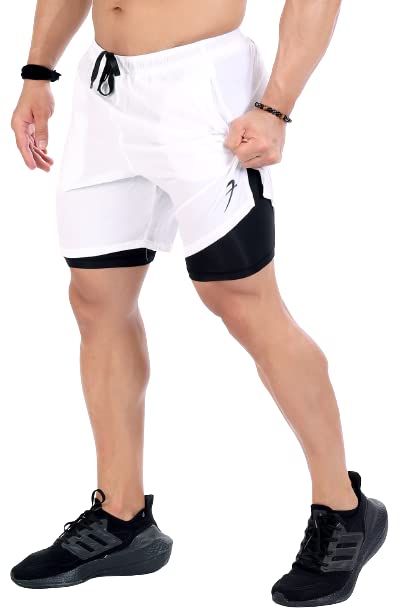
Why Anti-Chafing Fabric Matters
Chafing can turn painful fast.
Good running bottoms:
- Stay in place
- Have smooth stitching
- Don’t ride up
Pro tip: use anti-chafing cream on inner thighs and waist.
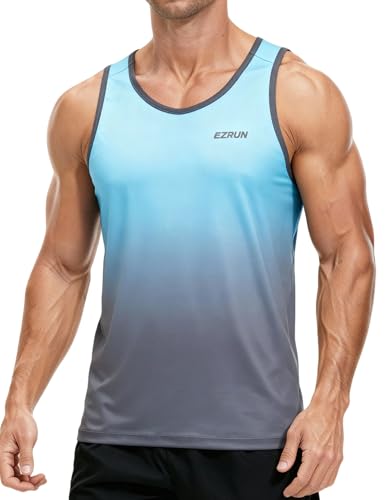
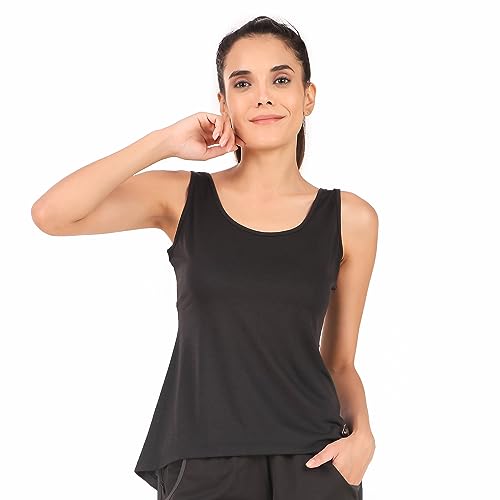
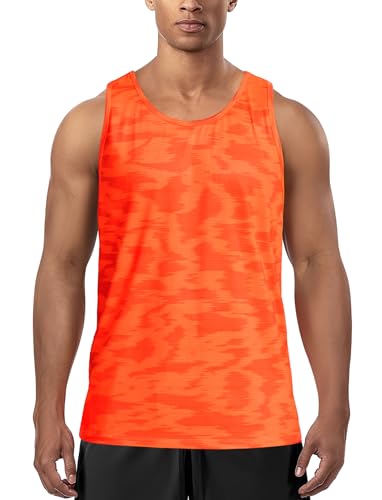
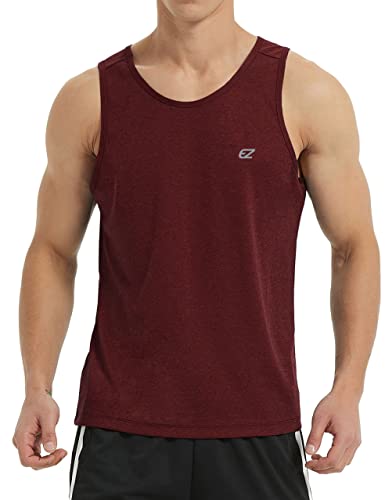
Running Tops: Stay Cool, Stay Dry
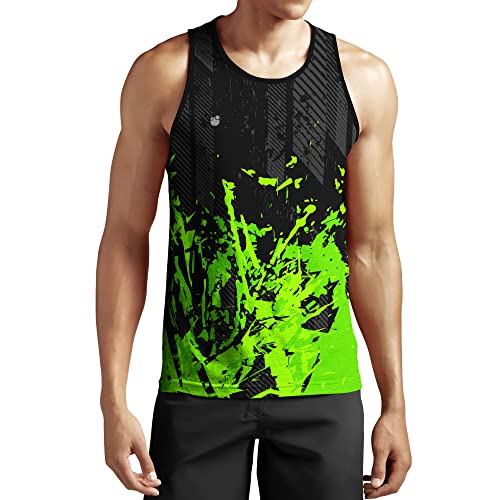
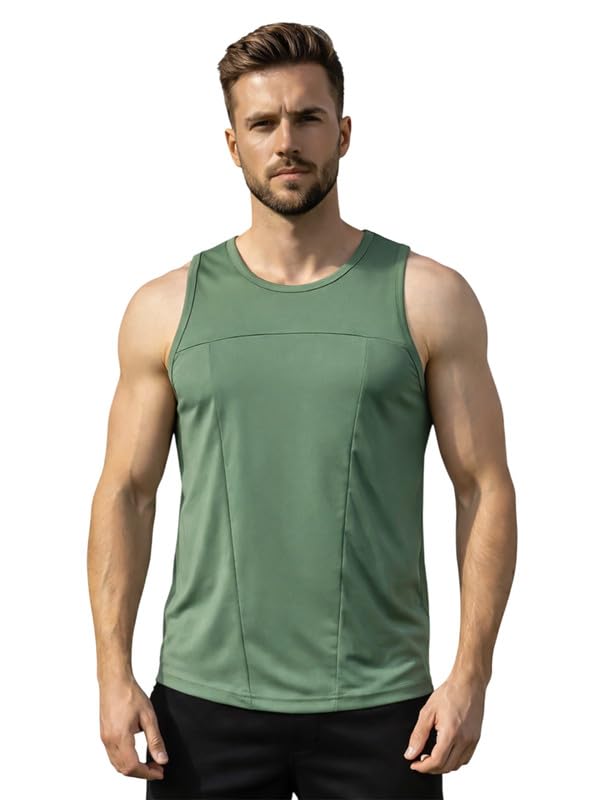
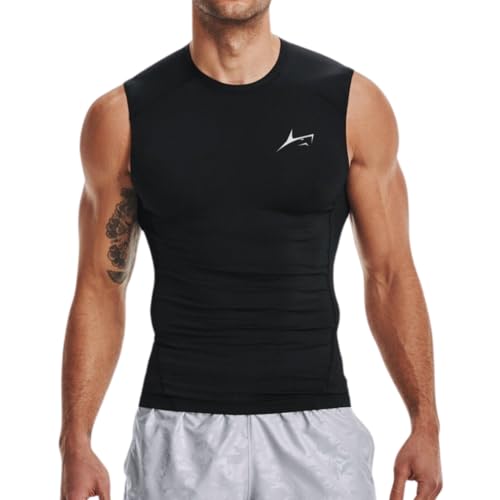
Your running top should help sweat evaporate.
Choose:
- Breathable fabric
- Quick-dry material
- Comfortable fit
Avoid cotton—it gets heavy and uncomfortable when wet.
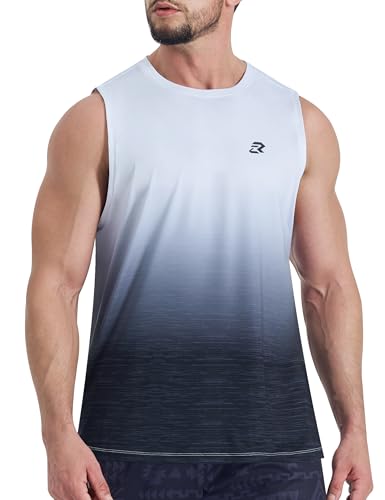
Short Sleeve vs Sleeveless Running Tops
Both work well.
Short sleeves:
- Slight sun protection
- Less skin exposure
Sleeveless tops:
- Better airflow
- Lighter feel
Pick what feels natural during long runs.


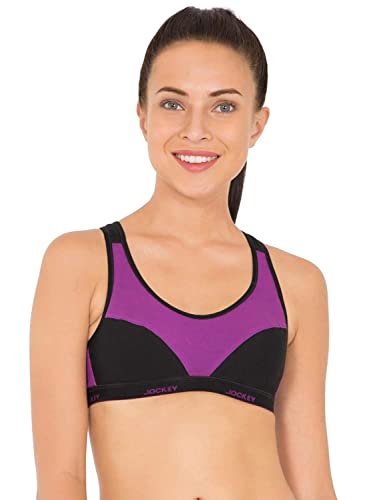
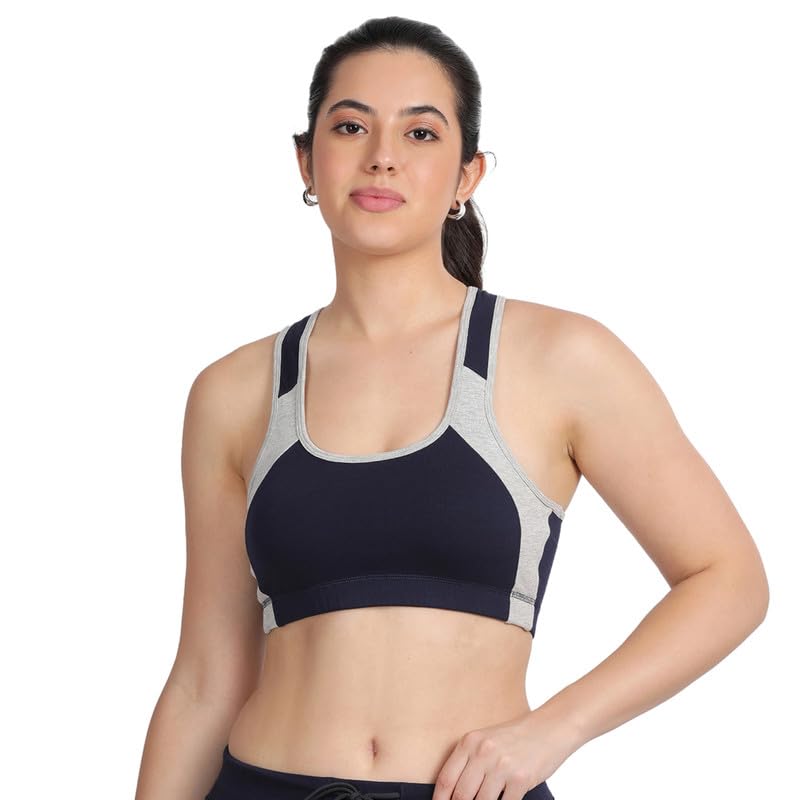
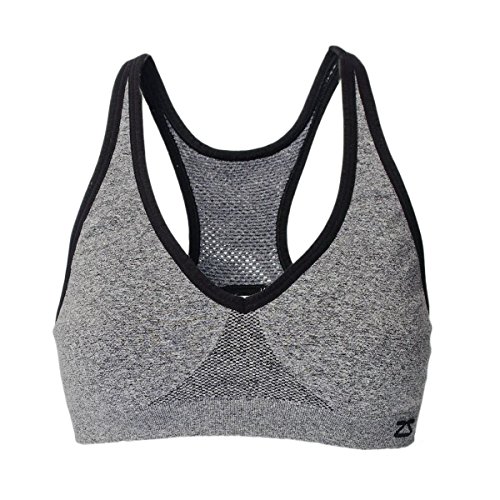
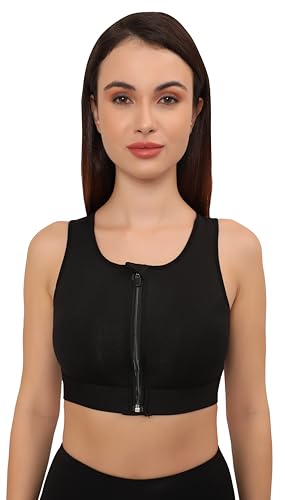
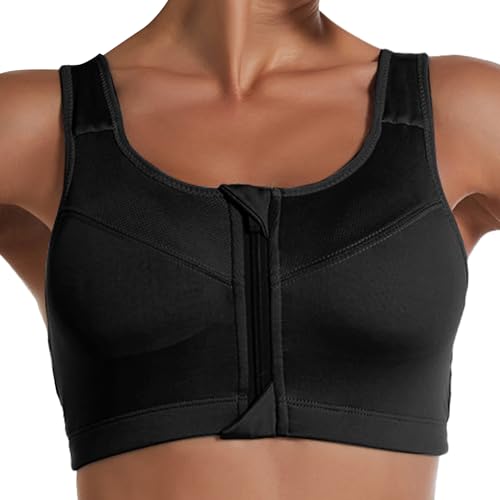
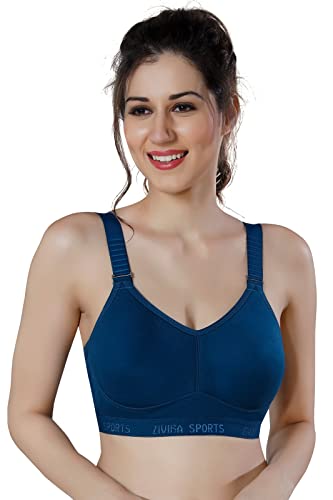
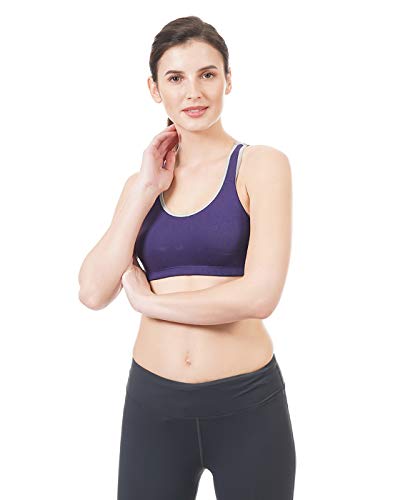
Sports Bra: Essential Gear for Women Runners
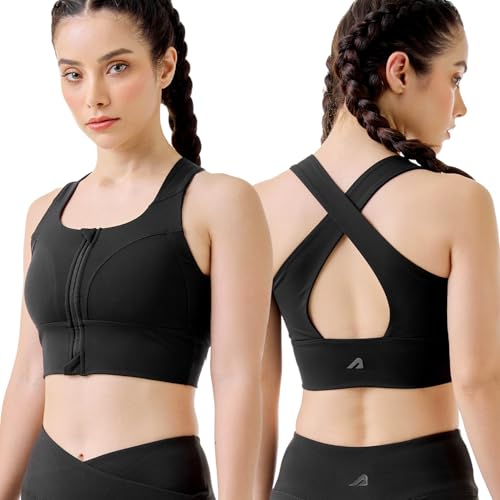
For women, a supportive sports bra is non-negotiable.
A good sports bra:
- Reduces bounce
- Prevents discomfort
- Supports breathing
Always test it during training—not on race day.
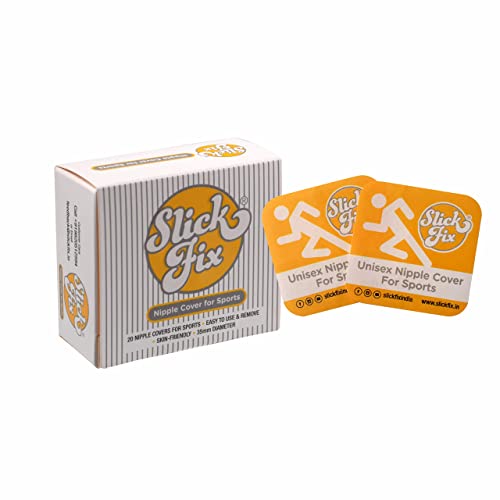
All the Sports Bra Essential Gear for Women Runners below come from Amazon’s bestseller list—so no matter which one you buy, you’re getting a top-quality choice.

Weather-Based Marathon Gear Choices
Weather can dramatically affect performance.
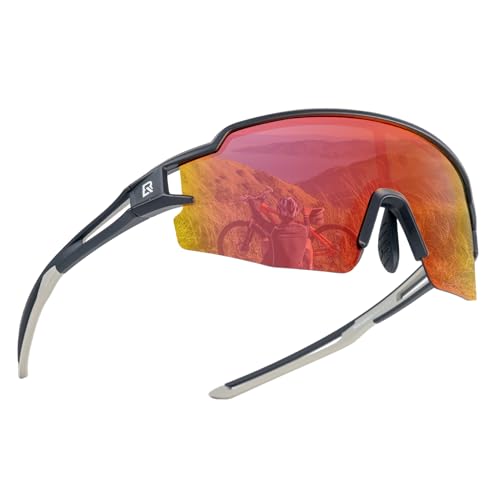
Best Running Gear for Hot Weather Marathons
Heat drains energy quickly.
Wear:
- Light-colored clothing
- Loose, breathable fabrics
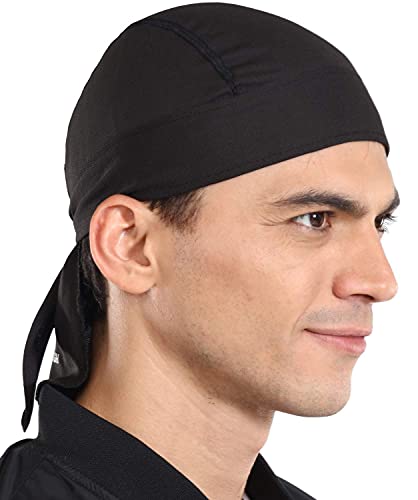
- Cap or visor
Sunscreen is also essential.




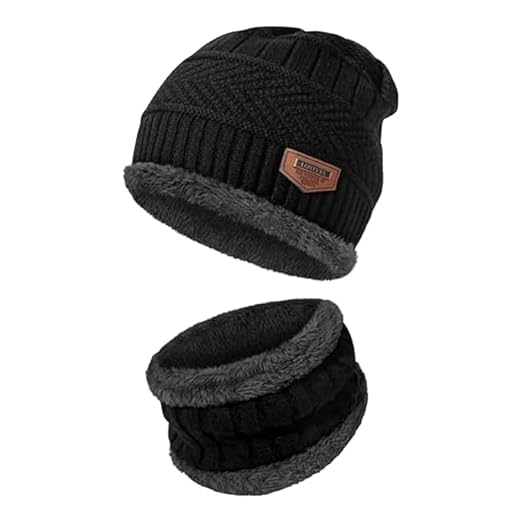
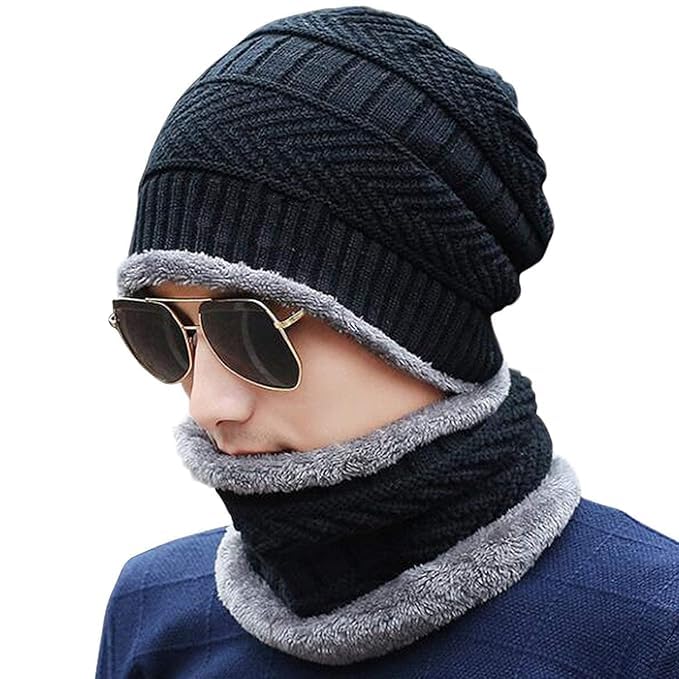
Running Gear for Cold Weather Marathons
Cold weather can stiffen muscles.
Choose:
- Thermal base layers
- Light jacket
- Gloves and ear covers
Dress in layers you can remove easily.

Rainy Marathon Running Gear Tips
Rain happens—be ready.
Wear:
- Water-resistant jacket
- Cap to shield your eyes
- Shoes with solid grip
Avoid heavy layers that soak up water.
Hydration Gear: Don’t Let Dehydration Slow You Down
Dehydration can ruin your marathon.
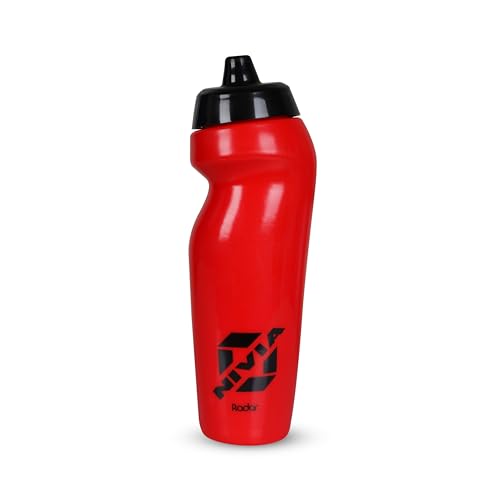
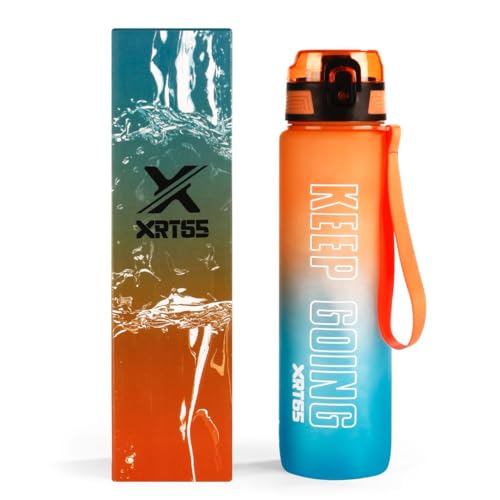
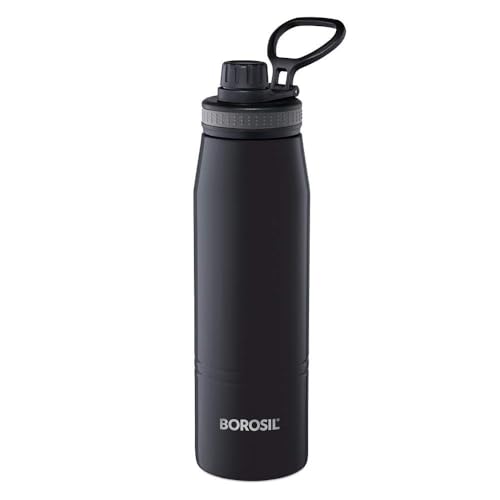
You need a solid hydration plan.
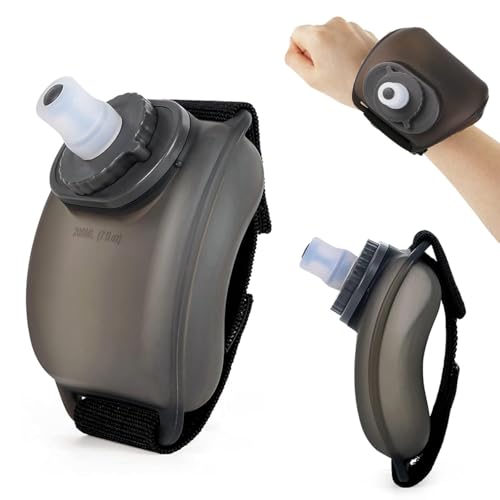
Handheld Water Bottles for Runners
Best for runners who like control.
Pros:
- Easy access
- Lightweight
Cons:
- One hand stays busy
Hydration Belts: Practical and Popular
Hydration belts:
- Hold bottles and gels
- Distribute weight evenly
- Free your hands
Perfect for marathon training and race day.
Hydration Vests for Long-Distance Runners
Hydration vests offer hands-free comfort.
Benefits:
- Larger water capacity
- Even weight distribution
- Extra storage pockets
Feels like a light backpack hug.
Fueling Gear: Energy Gels and Storage
Marathons burn calories fast.
Carry:
- Energy gels
- Chews
- Electrolyte tablets
Use belts or pockets that keep them secure.
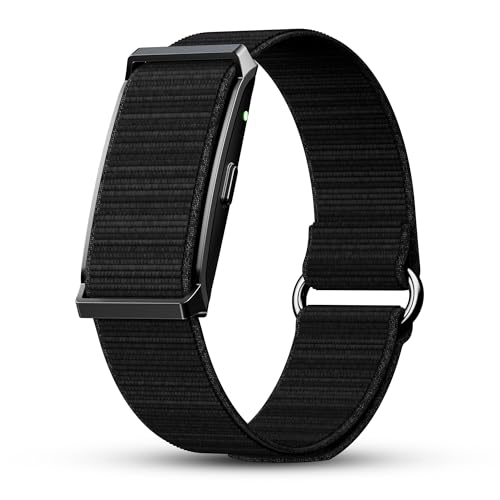
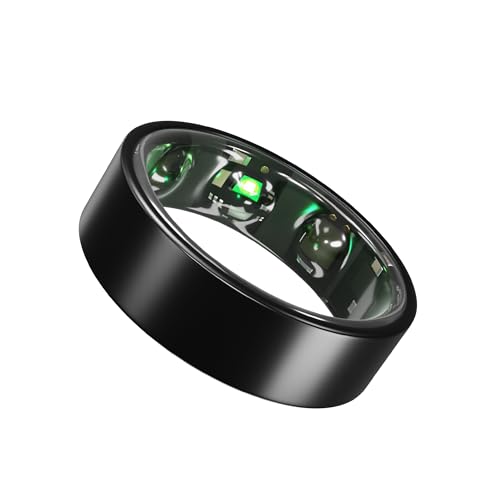
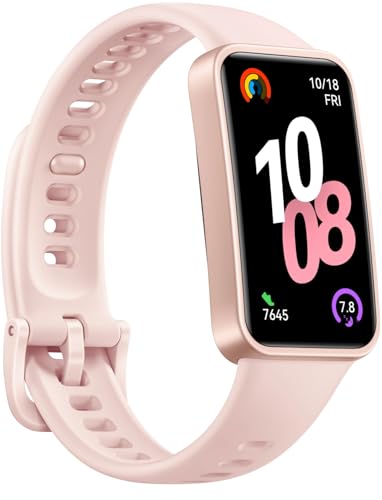
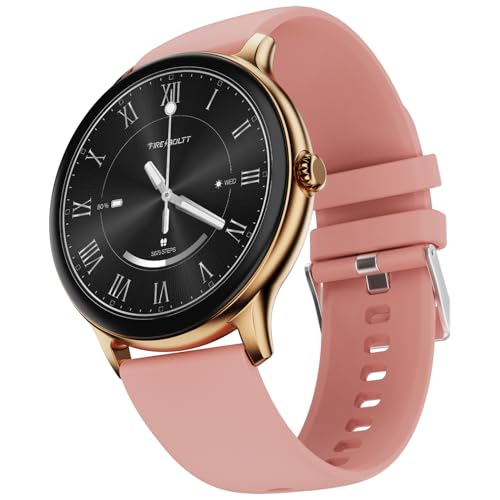
Smartwatches and Fitness Trackers
Not required—but helpful.
They track:
- Distance
- Pace
- Heart rate
- Time
Seeing progress can push you through tough moments.




Do You Really Need a GPS Running Watch?
Not everyone does.
Useful if:
- You train with pace targets
- You follow heart-rate zones
If numbers stress you out, skip it.
Headphones for Marathon Running
Music can motivate—but check race rules.
Choose:
- Lightweight
- Sweat-resistant
- Secure fit
Some marathons restrict headphone use.
Sun Protection Gear for Long Runs
Sun drains energy quietly.
Don’t forget:
- Cap or visor
- Sunglasses
- Sunscreen
Protecting your skin helps protect your stamina.
Recovery Gear After the Marathon
The race ends, but recovery begins.
Helpful recovery gear:
- Compression socks
- Foam roller
- Massage gun
They help muscles recover faster.
Does Compression Gear Really Help?
Many runners swear by it.
Benefits:
- Improves circulation
- Reduces soreness
- Speeds recovery
Use during or after runs based on comfort.
What NOT to Wear on Marathon Day
Avoid:
- New shoes
- New clothes
- Cotton fabrics
- Heavy accessories
Race day is not the time to experiment.
Budget vs Premium Marathon Gear
Expensive doesn’t always mean better.
Spend more on:
- Running shoes
- Quality socks
Save on:
- Accessories
- Style upgrades
Comfort beats branding every time.
Common Marathon Gear Mistakes Beginners Make
Watch out for:
- Buying gear too late
- Ignoring weather conditions
- Copying others blindly
- Carrying too many gadgets
Keep it simple and tested.
Final Marathon Gear Checklist
Before race day, make sure you have:
- Broken-in running shoes
- Tested socks
- Weather-ready outfit
- Hydration plan
- Energy gels
- Race bib belt
- Cap or sunglasses
If everything feels familiar, you’re ready.
Your gear won’t run the marathon for you—but it can make the journey smoother.
Choose wisely. Test everything. Trust your training.
When the road feels endless, the right gear becomes your quiet partner, helping you move forward—one step at a time.
You’ve got this.
FAQs
1. How many weeks before a marathon should I buy running shoes?
At least 6–8 weeks before, so you can break them in properly.
2. Can I run a marathon with normal sports shoes?
It is not recommended. Running shoes are designed for long-distance impact.
3. How many energy gels do I need for a marathon?
Usually 3–5 gels, depending on your pace and body needs.
4. Is expensive gear necessary for beginners?
No. Comfort and fit matter more than price.
5. Should I carry my phone during a marathon?
Only if it feels comfortable and does not distract you.