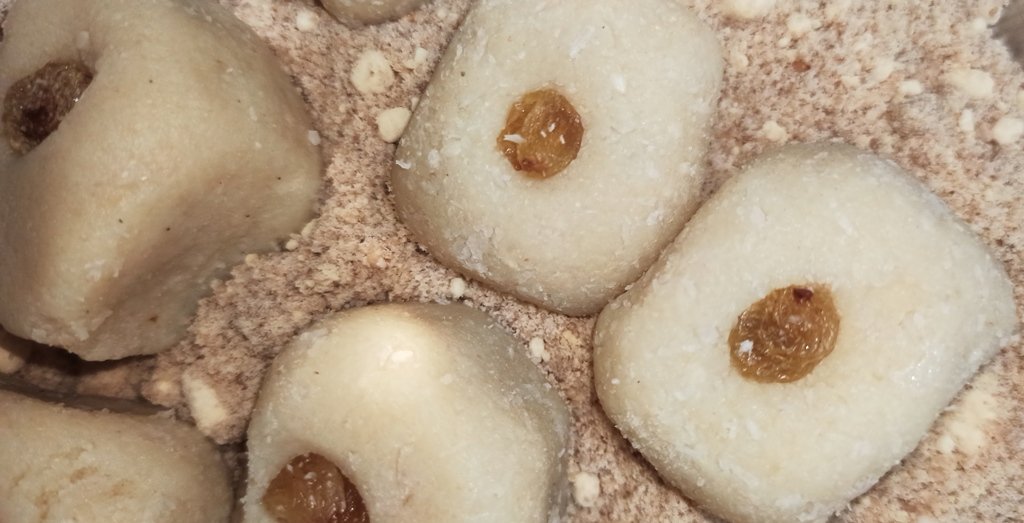
Jammu’s rich cultural heritage is incomplete without mentioning its traditional sweets, and among them, Pugga sweet holds a very special place. Also pronounced as Bhugga or Bugga, this age-old Dogra mithai is not just a winter delicacy but a symbol of faith, devotion, and maternal love. Made primarily from white sesame seeds (til), khoya (evaporated milk), and sugar, Pugga connects food with spirituality in a way few dishes can.
This article explores everything you need to know about Jammu’s traditional Pugga sweet—its origins, religious importance, cultural relevance, and a step-by-step authentic Pugga recipe you can easily prepare at home.
What Is Pugga Sweet? A Traditional Dogra Mithai
Pugga is a traditional sweet dish widely associated with the Dogra community of Jammu, though it is also prepared in parts of Punjab and other North Indian regions. In Jammu, Pugga is deeply connected with religious fasting rituals, while in Punjab it is commonly prepared during Lohri and Makar Sankranti.
Traditionally, Pugga was prepared using roasted sesame seeds, jaggery, flax seeds, and other winter ingredients. Over time, modern variations emerged, especially those made with khoya and sugar, which are now popular in sweet shops across Jammu.
Origin and Regional Roots of Pugga
Pugga has its roots in two major regions:
- Jammu (Jammu & Kashmir) – where it is an integral part of Pugga Vrat
- Punjab – where it is prepared during harvest festivals like Lohri
Although variations exist across India, the Dogra-style Pugga is unique due to its strong association with fasting, prayers, and maternal rituals.
Religious Significance of Pugga Vrat in Dogra Culture
One of the most important reasons Pugga holds such emotional and spiritual value is its connection with Pugga Vrat, a sacred fast observed by Dogra women.
What Is Pugga Vrat?
Pugga Vrat is observed on the fourth day of the waning moon (Krishna Paksha Chaturthi) in the month of Magh. The fast is kept by mothers for the well-being, longevity, and protection of their children. It is believed that this vrat protects children from the negative influence of stars and evil energies.
This vrat is also known by other names such as:
- Ganesh Chaturthi
- Tilkut Chauth
Worship of Lord Ganesha During Pugga Vrat
On this auspicious day, women worship Lord Ganesha, who is regarded as the remover of obstacles. The rituals are performed with deep devotion and discipline.
Key Rituals Include:
- Bathing Lord Ganesha’s idol with Panchamrit (milk, curd, water, ghee, and honey)
- Offering fruits, sugarcane, radish, and red-colored flowers
- Preparing Bhugga/Pugga at home during the day
Women observe a nirjala vrat, meaning they do not consume food or water throughout the day.
Breaking the Fast: Moon Worship and Pugga Prasad
In the evening, fasting women wait patiently for the moonrise. Once the moon appears, they offer argh (water offering) to the Moon God. A portion of Pugga is reserved in the name of their children, while the rest is distributed among relatives, neighbors, young girls, and purohits.
Only after completing these rituals do women break their fast by consuming:
- Water
- Pugga
- Fruits
- Sugarcane
Chanting “Om Shri Ganeshaya Namaha” 108 times is considered highly auspicious on this day.
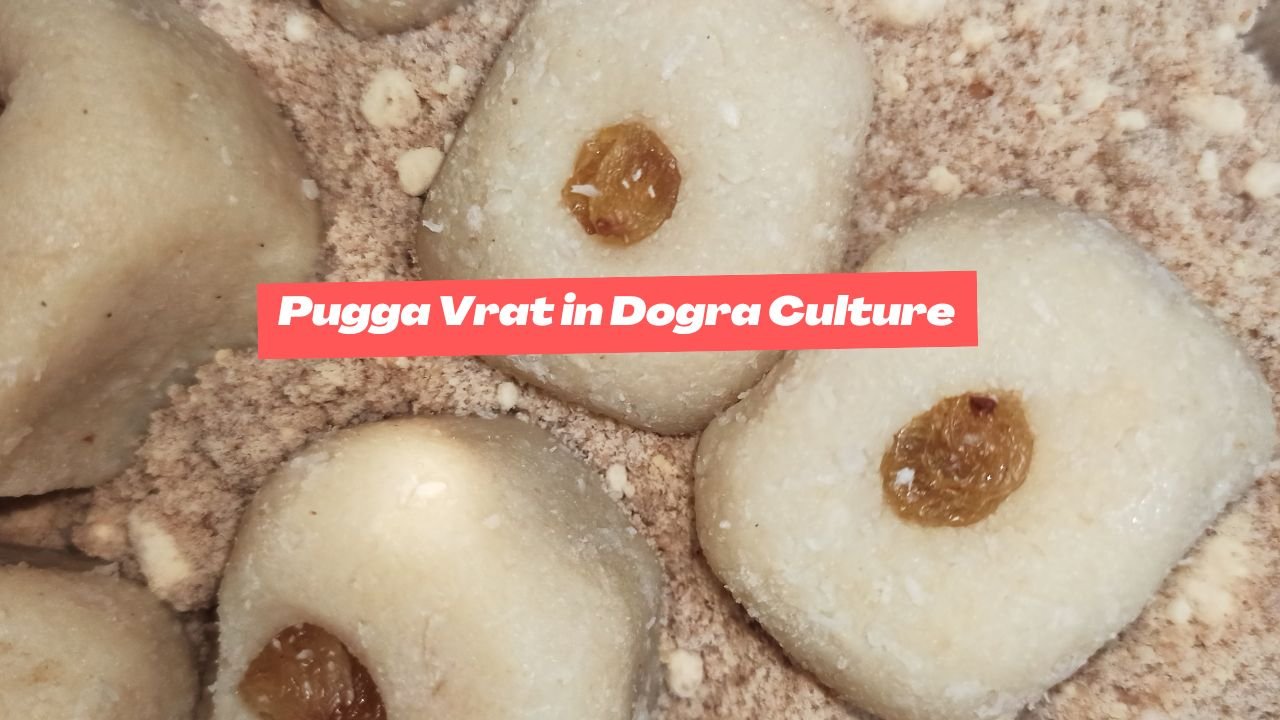
Cultural Importance of Making Pugga at Home
Although Pugga is now easily available at sweet shops, especially during winters, making Pugga at home is considered more auspicious. Traditionally, women spend the entire day roasting and grinding sesame seeds, flax seeds, and jaggery. This process is seen as an act of devotion rather than just cooking.
The fast is believed to bring:
- Happiness and prosperity
- Family well-being
- Divine protection for children
Pugga Sweet: A Perfect Winter Delicacy
From a nutritional point of view, Pugga is an ideal winter sweet. Sesame seeds are rich in healthy fats, calcium, and iron, while khoya provides energy and warmth during cold months. This makes Pugga both spiritually meaningful and nutritionally beneficial.
Authentic Jammu-Style Pugga Recipe (Til Bhugga)
Here is a simple and authentic Dogra Pugga recipe you can try at home.
Ingredients
- White sesame seeds (Til): 300 g (about 2 cups)
- Khoya / Mawa (milk solids): 500 g
- Sugar: 300 g (or powdered sugar / bura)
- Water: 100 ml (only if making sugar syrup)
- Cardamom powder: ½ teaspoon
- Raisins or chopped nuts (almonds/cashews): optional
- Powdered sugar or bura: for rolling
Step-by-Step Method to Make Pugga Sweet
Step 1: Roast the Sesame Seeds
Heat a heavy-bottomed pan on low flame. Dry roast the white sesame seeds while stirring continuously. Roast until they release a nutty aroma and turn lightly golden. Remove from heat and let them cool completely.
Step 2: Grind the Sesame Seeds
Once cooled, grind the roasted sesame seeds into a coarse powder. Do not over-grind, as sesame seeds release oil and may turn sticky.
Step 3: Prepare the Sugar and Khoya Mixture
You can follow either of these two methods:
Method 1 (Using Sugar Syrup):
Add sugar and water to a pan and heat until the sugar dissolves. Cook until the syrup becomes thick and slightly frothy. Add crumbled khoya and mix well until it melts and blends evenly.
Method 2 (Using Powdered Sugar):
Gently heat the khoya until it becomes soft. Switch off the flame and mix in powdered sugar or bura thoroughly.
Step 4: Combine All Ingredients
Remove the pan from heat and allow the mixture to cool slightly. Add the ground sesame seeds and cardamom powder. Mix well to form a soft, dough-like mixture.
Step 5: Shape the Pugga
Grease your palms with a little ghee. Take small portions of the mixture and roll them into round ladoo-shaped balls.
Step 6: Garnish and Coat
Roll each Pugga in powdered sugar or bura. Garnish with a raisin or a piece of chopped nut on top.
Step 7: Store and Serve
Store the Pugga in an airtight container. It stays fresh for up to 10 days when kept in a cool, dry place.
Why Pugga Sweet Is More Than Just a Mithai
Pugga is not merely a dessert. It represents:
- A mother’s prayer for her children
- The spiritual strength of Dogra women
- The deep link between food and faith in Jammu’s culture
Even today, Pugga continues to connect generations, keeping alive the traditions of Dogra heritage and Sanatan rituals.
The traditional Pugga sweet of Jammu is a beautiful blend of devotion, culture, and taste. Whether prepared as prasad during Pugga Vrat or enjoyed as a winter delicacy, it carries stories of faith, resilience, and love. By making Pugga at home, you do not just prepare a sweet—you revive a tradition that has been passed down through generations.
If you are passionate about exploring authentic regional Indian sweets, Pugga deserves a special place in your kitchen and your heart.