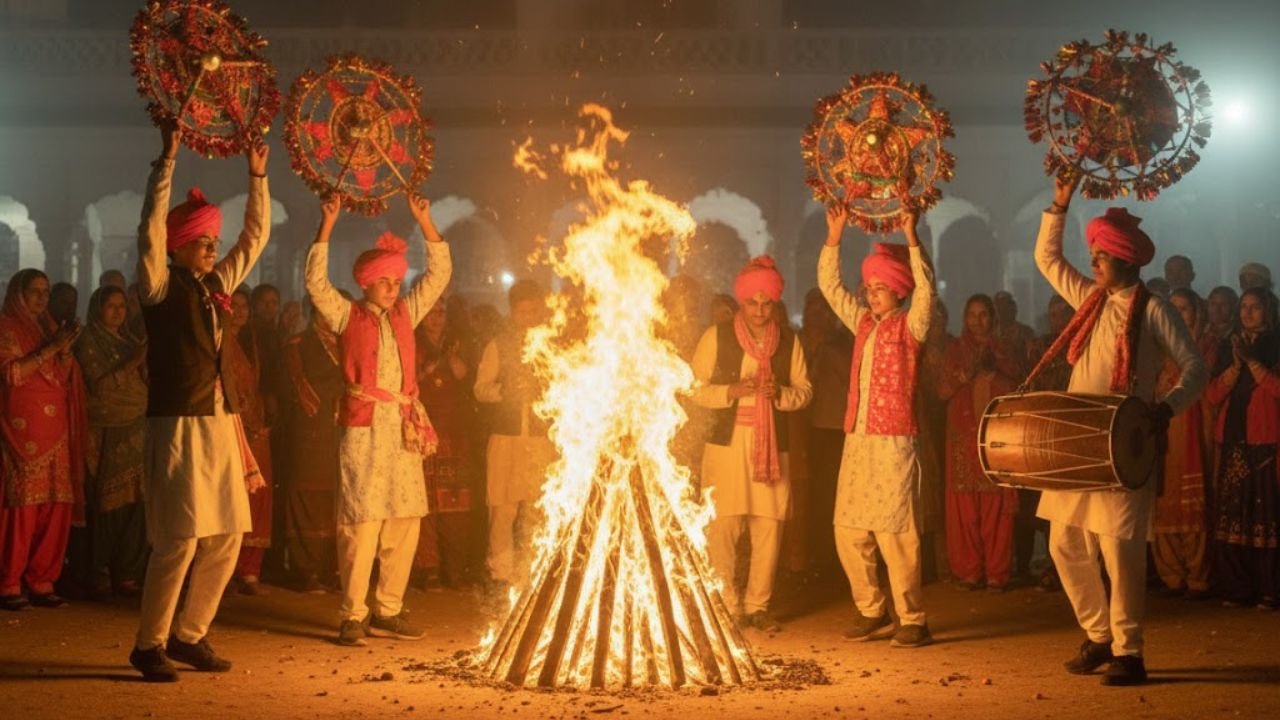
When winter tightens its grip and fog blankets the mornings of Jammu, a glowing bonfire brings people together—this is Lohri in Jammu, a festival of warmth, gratitude, traditions, and deep-rooted culture. Celebrated with pride by the Dogra community, Lohri festival is not just an event but an emotion that connects generations through fire, folk songs, and vibrant dances like the Chajja Dance and Hiran (Heran) Dance.
Why Lohri Is Celebrated: Meaning & Significance
Many people ask, why Lohri is celebrated every year on January 13. Lohri marks the end of peak winter and celebrates the harvest of Rabi crops, making it deeply important for farming communities of Jammu, Punjab, and nearby regions.
Traditionally, Lohri was associated with the winter solstice, the shortest day and longest night. Over time, its celebration aligned with Makar Sankranti, when the Sun begins its northward journey (Uttarayan), symbolising hope, prosperity, and longer days.
Lohri is dedicated to the Gods of Sun and Fire, thanking them for warmth, fertility, and abundance.
Lohri Jammu History & Folklore
The Lohri Jammu history is incomplete without the legendary tale of Dulla Bhatti, a folk hero revered across North India. Known as the protector of the poor, Dulla Bhatti robbed oppressive landlords to help the needy and saved young girls from being sold into slavery. He even arranged marriages for rescued girls, earning immense respect among the masses.
Popular Lohri songs like “Sunder Munderiye” narrate his bravery. Many traditional folk verses sung during Lohri celebrations in Jammu are inspired by his life and courage.
Lohri Festival in Jammu: How It Is Celebrated
If you wonder Lohri how it is celebrated in Jammu, the answer lies in its unmatched energy and community spirit.
Bonfire Rituals
As evening falls, families light a bonfire in courtyards and fields. People gather around the fire, perform parikrama (circling the fire), and offer prasad such as peanuts, popcorn, rewari, til, gajak, and sugarcane products, praying for prosperity.
The Festival of Chajja Dance & Harvest
One of the most unique aspects of Lohri in Jammu is the Chajja Dance Lohri tradition. Young boys prepare a Chajja (a bamboo frame decorated with coloured paper) and move from house to house, singing Dogri folk songs and poems.
A famous Dogri Lohri poem for Chajja Dance goes:
“Toda!
Tode upar saag…
Deyo sanu Lohri!”
This dance symbolises joy, sharing, and community bonding.
Heran (Hiran) Dance
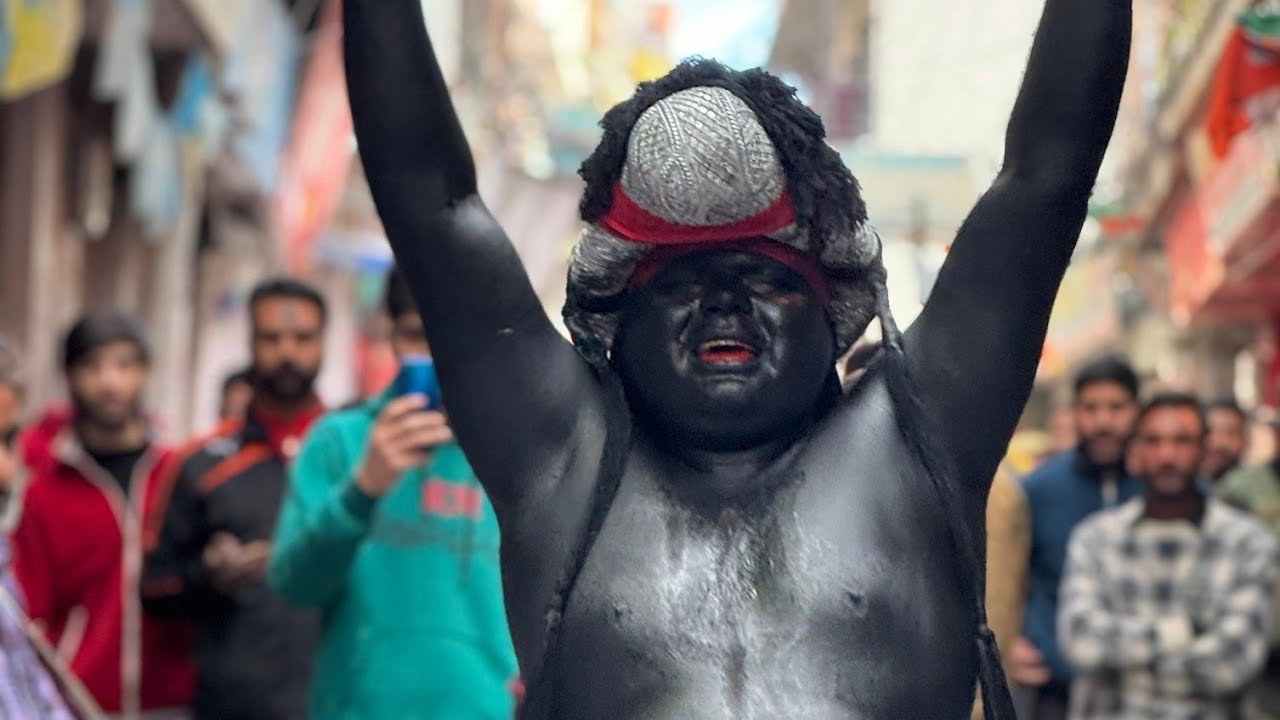
Another highlight is the Heran Dance, where performers dress as a deer and enact stories of Dogra warriors like Rana Guggu. This dance, performed late into the night, adds dramatic flair and folklore to Lohri celebrations.
Music, Bhangra & Gidda
The beats of the Dhol fill the air as people perform Bhangra and Gidda, turning villages into open celebration grounds despite the biting cold.
Special Traditions: Newborns & Newlyweds
Lohri holds special importance for families with newborn babies or newly married couples in Dogra culture. Such households host grand feasts, receive blessings, and become centres of celebration. Parents gift their married children as a symbol of love, prosperity, and good fortune.
Children wear garlands of groundnuts, dry fruits, and candies, roam the neighbourhood singing Lohri songs, and joyfully collect treats and money.
Traditional Food of Lohri in Jammu
No Lohri festival is complete without its authentic food:
- Makki ki Roti
- Sarson ka Saag
- Rewari, gajak, peanuts, popcorn
- Sugarcane and til-based sweets
These dishes reflect the harvest spirit and agrarian roots of the festival.
Lohri Beyond Jammu: A Pan-India Celebration
While Lohri in Jammu has its distinct Dogra flavour, the same day is celebrated as:
- Pongal in Tamil Nadu
- Magh Bihu in Assam
- Makara Sankranti across India
Each festival celebrates harvest, nature, and new beginnings.
Lohri—More Than a Festival
Lohri in Jammu is a living tradition—a celebration of fire, folklore, harvest, and human connection. From the rhythmic Chajja Dance to the warmth of bonfires and the echoes of Dogri folk songs, Lohri continues to keep the cultural soul of Jammu alive.
Even in today’s digital age, where greetings are shared on social media, the essence of Lohri remains rooted in togetherness, gratitude, and joy.