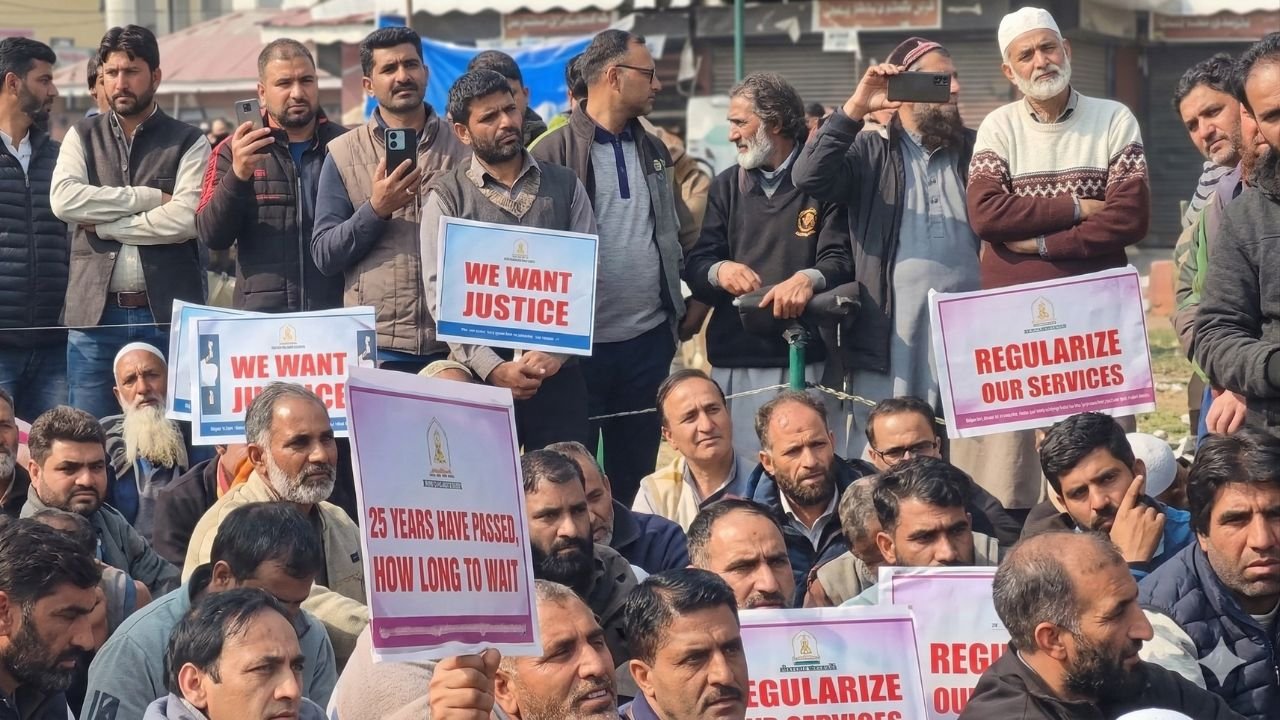
The Jammu and Kashmir UT Cabinet has taken a landmark step by approving a revised Reservation Policy aimed at bringing greater fairness, transparency, and balance to the quota system in government jobs and educational institutions. Based on the detailed recommendations of the Cabinet Sub Committee (CSC), the proposal now awaits final approval from Lieutenant Governor Manoj Sinha.
This reshaped policy introduces notable changes, including cuts in key reservation categories and structural corrections long demanded by various sections of the population.
The Cabinet has introduced significant reductions in two major reservation categories:
- Economically Weaker Sections (EWS): Reduced from 10% to 3%
- Residents of Backward Areas (RBA): Reduced from 10% to 7%
Sources indicate that these cuts aim to restore balance, as previous enhancements pushed total reservations in J&K to nearly 70%, leaving just 30% of seats for Open Merit candidates.
If approved by the Lieutenant Governor, the Open Merit quota is expected to rise to at least 40% directly and up to 50% under vertical reservation, offering substantial relief to thousands of aspirants.
Why the Reduction in RBA and EWS Quotas?
One contributing factor, officials say, is the exclusion of Ladakh from the Union Territory after the 2019 reorganization. Ladakh previously accounted for a significant number of RBA-designated areas.
Additionally, there were longstanding concerns over misuse of the RBA category, including allegations that political figures and local officers ensured their villages were added to the RBA list for personal benefits.
By recalibrating quotas, the government aims to correct systemic imbalances and restore trust in the reservation framework.
Updated Reservation Structure in Jammu & Kashmir
Under the current policy (before the proposed cuts), the reservation breakup includes:
- ST-I, ST-II, RBA, EWS: 10% each
- Scheduled Castes (SC): 8%
- Other Backward Classes (OBC): 8%
- ALC/IB Category: 4%
- Horizontal Reservation: 10% (6% Ex-Servicemen, 4% PwDs)
The new cuts will reduce EWS to 3% and RBA to 7%, reshaping the competitive landscape, especially for youth seeking government employment and higher education opportunities.
Inclusion of New Communities in OBC List
The Cabinet approved the addition of Ahangar and Waghey/Chopan communities to the Other Backward Classes (OBC) category—granting these groups access to enhanced opportunities in employment and education.
Daily Wagers’ Issues Discussed: Report Expected Soon
The Cabinet also discussed the pressing concerns of daily wagers across various departments. The Chief Secretary has been directed to submit a detailed report urgently, signaling potential relief measures in the near future.
Addressing reporters, Chief Minister Omar Abdullah emphasized that the government crafted the new reservation policy “in the best possible manner” to ensure fairness to all communities while honoring a major election promise.
He highlighted:
- The Cabinet followed a transparent decision-making process.
- Multiple rounds of discussions ensured no stakeholder was ignored.
- The revised policy was created without favoring or targeting any particular group.
Abdullah also noted that the matter had been reviewed three to four times before finalization, reflecting its complexity.
What Happens Next?
With the Cabinet’s approval secured, the proposal now moves to Lieutenant Governor Manoj Sinha. Once he approves the policy, new Reservation Rules will be drafted and notified.
Only then will the revised percentages and structural changes officially come into effect.
As the UT awaits the Lieutenant Governor’s final approval, the policy is poised to reshape J&K’s employment and educational landscape for years to come.