An intense cold wave tightened its grip over Jammu and Kashmir on Saturday, pushing minimum temperatures below the freezing point across the Kashmir Valley and bringing daily life to a standstill. From frozen water taps to ice-covered roads, the harsh winter conditions once again reminded residents of the severity of Chillai Kalan, the Valley’s coldest phase.
According to official data, Srinagar recorded a minimum temperature of minus 1.5°C, while popular tourist destinations witnessed even sharper drops — Gulmarg shivered at minus 6.5°C and Pahalgam at minus 5.2°C. The freezing cold resulted in water taps getting blocked across Srinagar and other towns, while puddles on roads and streets turned into sheets of ice early in the morning.
Jammu Region Also Feels the Chill
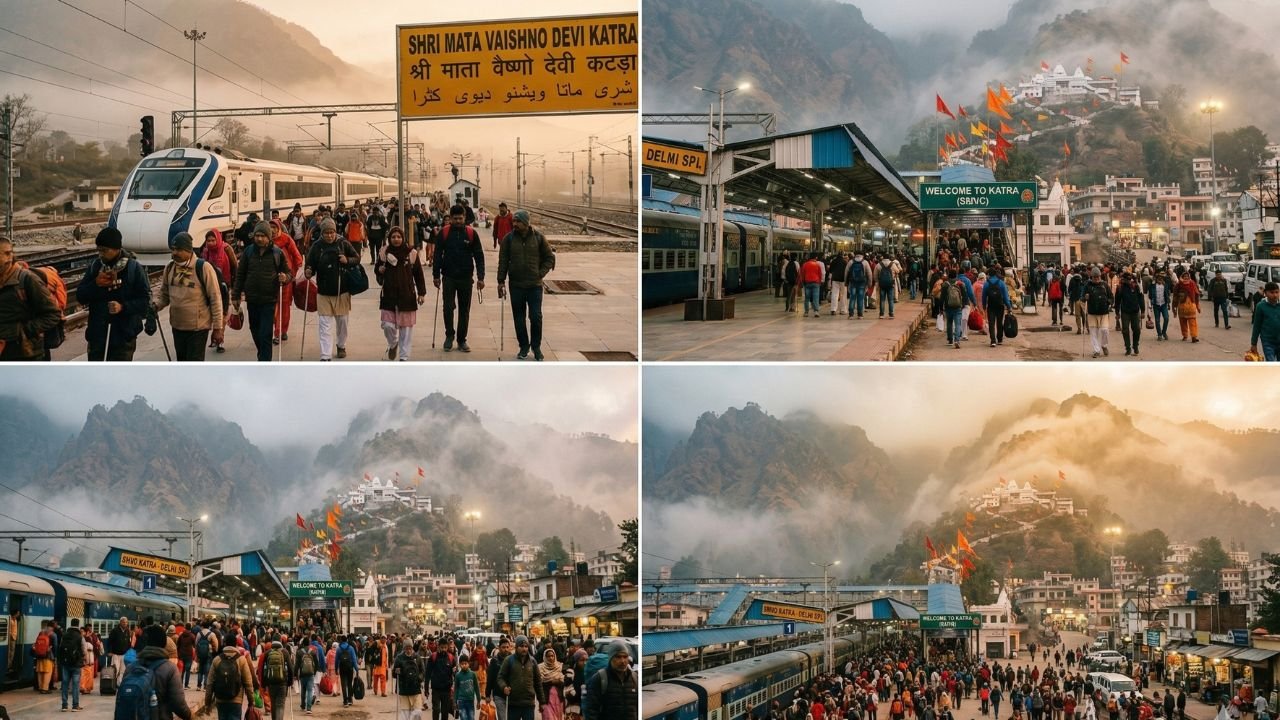
The cold wave was not limited to the Valley. Several parts of the Jammu region also experienced low night temperatures. Jammu city recorded 7.9°C, Katra 6.6°C, Batote 4.2°C, Banihal 2.7°C, while Bhaderwah dipped to a freezing minus 1.5°C, marking one of the coldest nights of the season.
Health Alert: Cardiologists Issue Strong Advisory
Medical experts have raised serious health concerns amid the plunging temperatures. Cardiologists have advised people, especially heart patients, to avoid early morning outings and remain well protected even during daytime.
Doctors warned that the risk of heart attacks rises by nearly 20 per cent during winter in Kashmir, primarily due to increased blood pressure and heightened platelet activity caused by cold weather. Citizens have been urged to wear multiple layers of warm clothing and avoid sudden exposure to low temperatures.
No Snowfall Yet, Weather Forecast Remains Gloomy
Despite being deep into Chillai Kalan, which began on December 21, the Valley is yet to witness a major snowfall this season. Even the plains have not received the first snowfall so far, raising concerns among residents, farmers, and environmental experts.
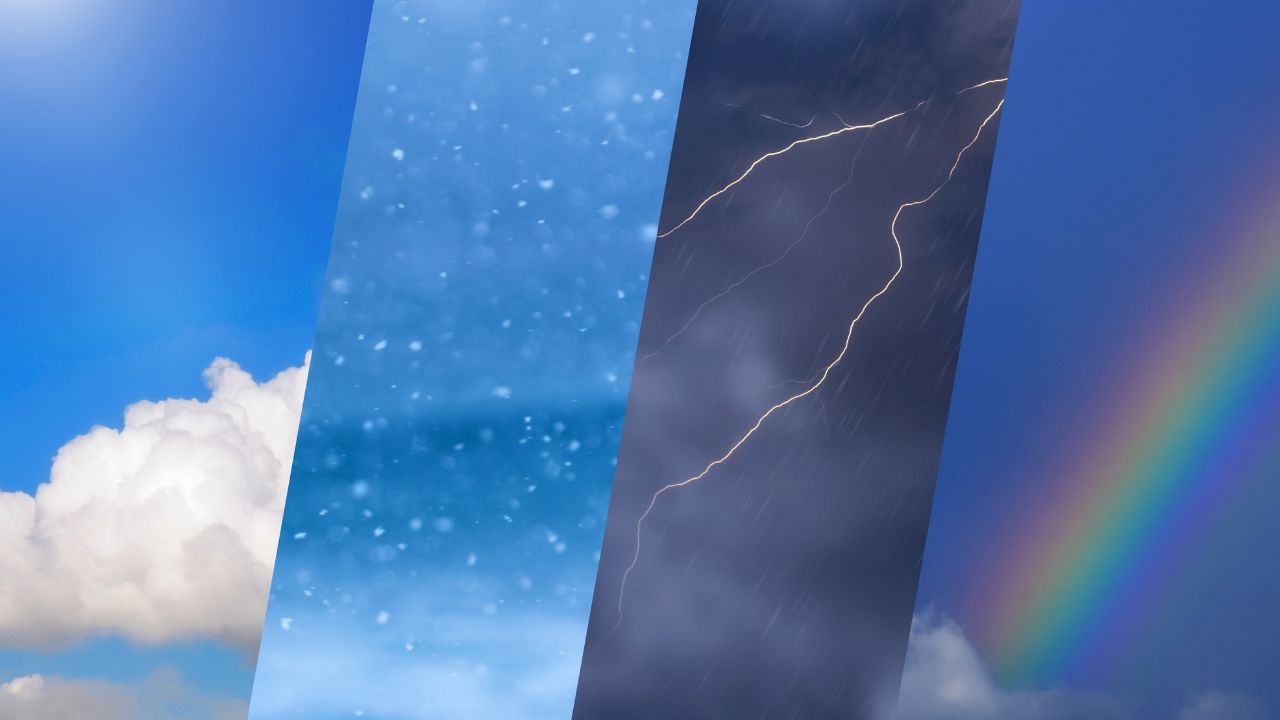
The Meteorological Department has offered little hope, forecasting cloudy, cold, and largely dry weather till January 20. With Chillai Kalan ending on January 30, experts warn that the absence of heavy snowfall could spell trouble in the coming months.
39% Rain Deficit Raises Summer Water Crisis Fears
Adding to the worry, Jammu and Kashmir has already recorded a 39 per cent rainfall deficit this winter. Experts caution that if mountain reservoirs fail to replenish through snowfall, the region could face acute water shortages during summer.
A weak winter could severely impact rivers, streams, springs, lakes, and wells, making the upcoming hot months extremely challenging for the people of the Union Territory.
As the cold wave continues and snow remains elusive, all eyes are now on the skies — hoping winter delivers before it’s too late.