Jammu’s much-loved street delicacy Kaladi Kulcha, often described as the soul of Dogra cuisine, is on the brink of a historic transformation. In a major push to take this traditional food beyond regional boundaries, Union Minister of State (Independent Charge) for Science & Technology and Earth Sciences, Dr. Jitendra Singh, has directed that Kaladi, the GI-tagged dairy product of Udhampur district in Jammu & Kashmir, be scientifically upscaled for national and international markets—without diluting its original taste, texture, or nutritional richness.
This initiative marks a crucial step in blending traditional food heritage with modern food science, opening new economic opportunities for local producers while putting Jammu’s iconic flavours on the global culinary map.
Kaladi: The Pride of Jammu’s Street Food Culture
Kaladi, locally pronounced as Kalari, is not just a food item—it is an emotion for the people of Jammu. Found across the Jammu province, it is especially famous in Ramnagar, Chenani, and Udhampur, where generations of dairy artisans have perfected its preparation.
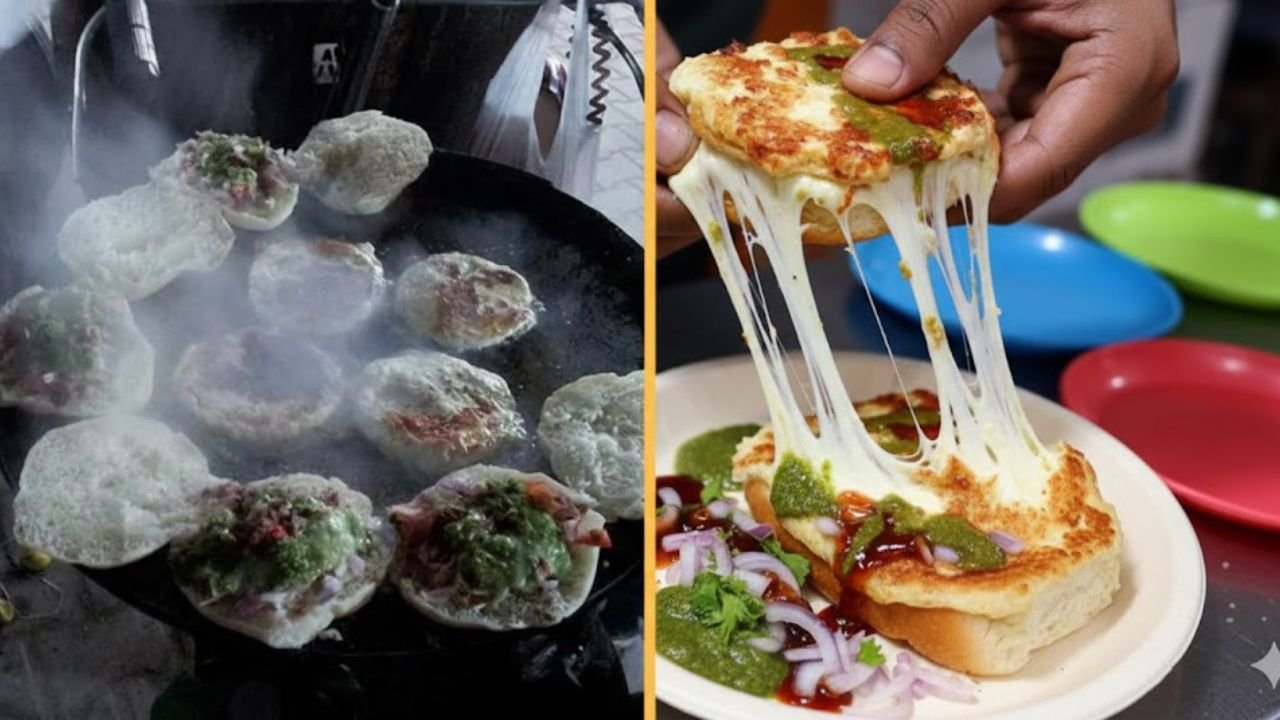
Made traditionally from buffalo’s milk or goat’s milk, Kaladi is a ripened, semi-soft cheese known for its rich flavour and distinctive texture. Unlike many cheeses, Kaladi cooks in its own natural fat, requiring no additional oil or ghee. When heated slowly, it releases its fat, resulting in a crisp outer layer and a soft, moist centre.
The most popular way to enjoy it is as Kaladi Kulcha—a sandwich served with tamarind and mint chutney, fresh salad of onions, tomatoes, cabbage, and a sprinkle of chilli powder and salt. It is equally relished without bread and is widely consumed as a fasting food (falahaar) due to its pure milk-based composition. Today, Kaladi is a staple in dairy shops and street food stalls throughout the Jammu region.
How Kaladi Is Made: A Tradition Rooted in Simplicity
The preparation of Kaladi reflects the simplicity and wisdom of traditional food practices. Soured milk is gently heated over a low flame until milk proteins coagulate to form curds. This mixture is then poured into a cheesecloth to drain excess whey. The curds are shaped into small balls, usually weighing around 40 grams each, and left to dry naturally.
This drying process creates Kaladi’s signature ripened outer layer while preserving its soft, creamy interior. The result is a cheese that is flavourful, stretchy, and uniquely satisfying—qualities that have earned it the nickname “Mozzarella of Jammu.”
GI Tag and Growing Economic Importance
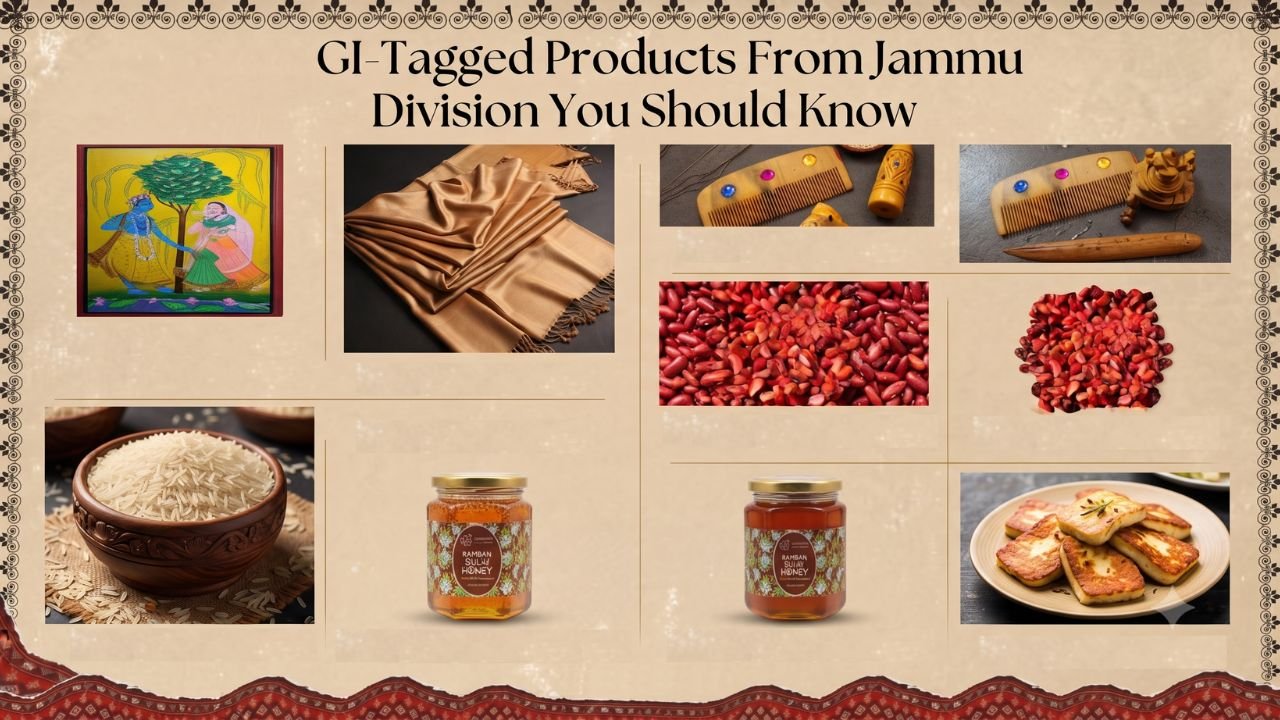
Kaladi’s journey from a local delicacy to a nationally recognised product gained momentum after it received the Geographical Indication (GI) tag. This recognition not only protected its authenticity but also boosted its economic value, creating new livelihood opportunities for local dairy farmers, artisans, and rural youth.
However, despite its popularity, Kaladi has faced one major challenge: its limited shelf life. Under non-refrigerated conditions, it lasts only a few days, making large-scale distribution and export nearly impossible.
Government Push to Take Kaladi Global
Addressing this critical issue, Dr. Jitendra Singh stressed that the future of Kaladi lies in value addition and shelf-life enhancement, especially under the Government of India’s One District One Product (ODOP) initiative.
He made it clear that while scientific interventions are essential, they must be carefully calibrated to ensure that Kaladi’s native flavour, nutrition, and cultural identity remain untouched. According to the Minister, improving shelf life through scientific validation, modern packaging, and processing techniques is the key to unlocking Kaladi’s export potential.
CSIR Labs Join Hands for Scientific Upscaling
To achieve this goal, Dr. Jitendra Singh directed two premier research institutions—
- CSIR-Central Food Technology Research Institute (CFTRI), Mysuru, and
- CSIR-Indian Institute of Integrative Medicine (IIIM), Jammu
—to work jointly on nutrient profiling, characterisation, value addition, and shelf-life enhancement of Kaladi.
The two institutes have been asked to collaborate closely, submit initial observations within weeks, and deliver a comprehensive outcome within six months. Their work will focus on developing an industry-friendly, scalable process that preserves Kaladi’s traditional essence while meeting regulatory and market requirements.
Preserving Authenticity While Exploring New Recipes
Beyond shelf life, the Minister also highlighted the vast scope for recipe diversification. Kaladi can be explored in multiple culinary forms—fresh consumption, functional food formats, and innovative recipes—provided its milky flavour, mouthfeel, and stretchable texture remain intact.
He reiterated that Kaladi’s uniqueness is its biggest strength, and even as production scales up, its identity as the “Mozzarella of Jammu” must not be compromised.
Documenting Traditional Knowledge for the Future
An important part of the project involves documenting traditional Kaladi-making methods followed across different regions of Jammu & Kashmir. Scientists will study these variations to identify a common, standardised process suitable for commercial production without erasing local nuances.
This approach ensures that traditional knowledge is preserved, validated scientifically, and passed on in a form that benefits both producers and consumers.
Learning from CFTRI’s Global Success Stories
Dr. Jitendra Singh pointed to CSIR-CFTRI’s recent success with millet-based food technologies, many of which have been adopted by leading global food chains. He expressed confidence that similar scientific models could help Kaladi make a successful entry into national supermarkets and international food markets.
A Boost for Local Economy and Dogra Cuisine
The Kaladi initiative aligns perfectly with the Government’s broader vision of linking science, technology, and traditional products to strengthen local economies. Once shelf-life and value-addition challenges are resolved, Kaladi is expected to fetch better returns for farmers and artisanal producers, while creating new employment opportunities in rural areas.
More importantly, it will give Dogra cuisine the recognition it deserves on national and global platforms, turning a humble street food into a symbol of Jammu’s rich cultural heritage.
With strong policy backing, scientific support, and growing consumer interest in authentic regional foods, Kaladi’s journey from Jammu’s streets to global tables has truly begun. If successful, this model could pave the way for many other traditional Indian foods to follow a similar path—rooted in tradition, powered by science, and celebrated worldwide.