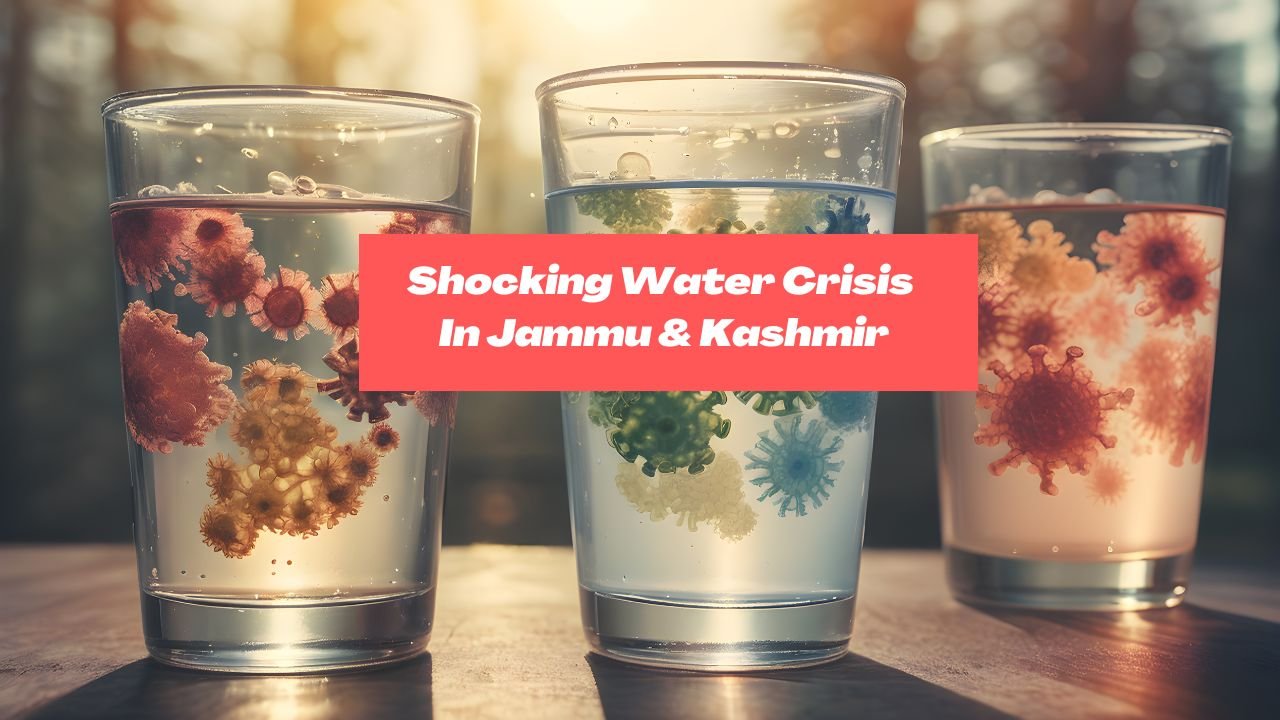
A devastating public health crisis is unfolding in Jammu & Kashmir. New data exposes a grim reality directly impacting citizen health, leading to a shocking surge in preventable water-borne diseases.
Official statistics reveal a relentless tide of patients flooding hospitals, with over 130,000 cases registered in a single year. This epidemic points directly to the failure in ensuring clean water and effective sanitation for the region’s population.
An analysis of data from the Health Department paints a horrifying picture. Hospitals across the Union Territory are grappling with enormous caseloads of Jaundice, Diarrhea, Hepatitis, Dysentery, and Typhoid.
The year 2024 saw a staggering 130,100 confirmed cases of water-borne illnesses. This number represents a significant jump from the 102,236 cases recorded in 2023. The trend shows no signs of abating, with 80,000 cases already registered in just the first seven months of 2025. Experts now project the annual tally will once again breach the 130,000 mark.
Diarrhea Dominates as Jammu, Srinagar, Shopian Bear the Brunt
A deep dive into the 2024 data highlights the sheer scale of the suffering:
- Diarrhea is the most rampant disease, with 81,007 cases.
- Typhoid follows with 26,799 cases.
- Hepatitis and Dysentery accounted for 10,190 and 10,795 cases respectively.
- Jaundice (Hepatitis A/E) registered 1,309 cases.
The crisis is concentrated geographically. The districts of Jammu, Srinagar, and Shopian are the most severely impacted, accounting for nearly half of all cases. Jammu district alone reported 18,234 diarrhea cases, representing approximately 20% of the region’s total for that disease.
Floods and Failed Infrastructure Compound the Crisis
Health officials confirm that the situation has been exacerbated by recent catastrophic floods, which further contaminated water sources and led to a subsequent spike in hospital admissions. This natural disaster has starkly highlighted the fragility of the region’s water and sanitation infrastructure.
Epidemiologist for Jammu & Kashmir, Dr. Harjeet Rai, states that while cases are reported from all districts and coordination with the Water Resources (Jal Shakti) Department occurs, the preventive measures are glaringly insufficient. The continuous high caseload signifies a breakdown in the execution of ground-level public health initiatives.
The data is more than just statistics; it is a direct indictment of systemic failure. The correlation between poorly implemented government schemes, administrative indifference, and deteriorating public health is undeniable. Each case represents a family grappling with illness, medical costs, and lost productivity.
The people of Jammu & Kashmir are paying the price for contaminated water with their health. This report underscores an urgent need for transparent investigation into the utilization of health and sanitation funds, robust infrastructure development, and accountable governance to stem this entirely preventable human tragedy.
Source: Data sourced from a report originally published by www.jagran.com.