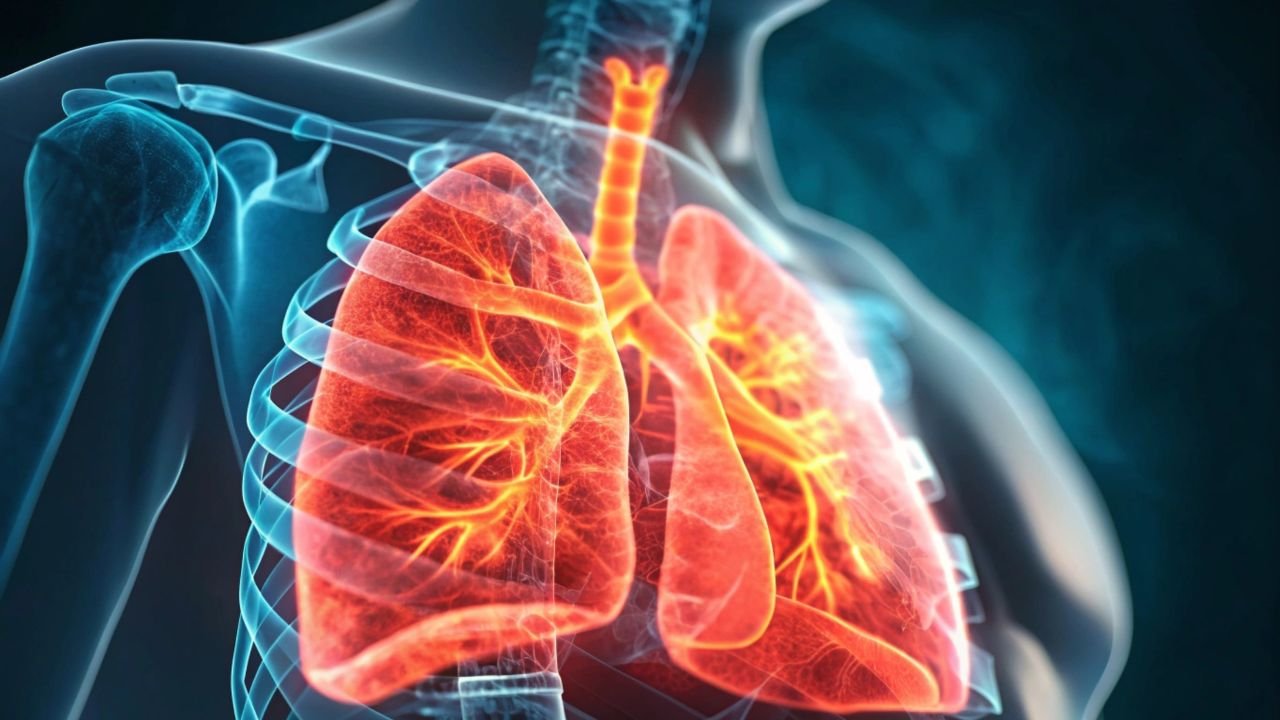
Tuberculosis continues to emerge as the most pressing public health challenge in Jammu and Kashmir, showing a steady upward trend over the past three years. In contrast, malaria and leprosy have remained relatively low in disease burden, despite minor annual fluctuations. These insights come from the latest data released by the Union Ministry of Health and Family Welfare, which presents a comprehensive State and Union Territory-wise analysis of TB, malaria, and leprosy cases from 2022 to 2025.
TB Burden Remains High in Jammu and Kashmir
According to official figures under the National TB Elimination Programme, Jammu and Kashmir reported 11,804 TB cases in 2022, followed by 11,754 cases in 2023, and a further increase to 12,200 cases in 2024. This consistent rise highlights tuberculosis as the dominant communicable disease in the region.
At the national level, India has also witnessed a year-on-year increase in TB notifications. Reported cases rose from 24.22 lakh in 2022 to 26.17 lakh in 2024. States such as Uttar Pradesh, Bihar, and Maharashtra continue to contribute the highest number of TB cases, reinforcing the nationwide scale of the challenge.
In comparison, Ladakh has maintained a much lower tuberculosis caseload. The UT reported 320 cases each in 2022 and 2023, with a slight decline to 293 cases in 2024. While the numbers remain low due to Ladakh’s smaller population, health experts stress that sustained surveillance is essential to prevent future spikes.
Malaria Cases Show a Noticeable Increase
Although malaria has traditionally been limited in Jammu and Kashmir, recent data indicates a concerning upward trend. The UT reported 35 malaria cases in 2022, which increased to 44 in 2023, before rising sharply to 108 cases in 2024. This sudden jump suggests changing environmental and climatic factors that may be influencing mosquito breeding patterns.
Ladakh recorded 2 malaria cases in 2022, 10 cases in 2023, and 9 cases in 2024, reflecting minor fluctuations but overall low incidence.
Across India, malaria cases increased significantly, from 1.76 lakh in 2022 to over 2.55 lakh in 2024. States such as Odisha, Jharkhand, Mizoram, and Tripura accounted for a substantial share of this rise.
Leprosy Remains at Very Low Levels
Among the three diseases, leprosy continues to pose the least concern for both Jammu and Kashmir and Ladakh. Jammu and Kashmir’s Annual New Case Detection Rate (ANCDR) stood at 0.89 in 2022–23, dropped to 0.42 in 2023–24, and rose slightly to 0.80 in 2024–25. Despite this increase, the UT remains among the lowest in the country.
Ladakh reported an ANCDR of 2.16 in 2022–23, 3.36 in 2023–24, and 3.63 in 2024–25. While higher than J&K, these figures remain far below high-burden states such as Chhattisgarh and Odisha. Nationally, India’s ANCDR declined marginally to 7.00 in 2024–25.
The Ministry of Health emphasized that health is a State subject, with implementation responsibilities resting on State and UT governments. The Centre supports these efforts through financial and technical assistance under annual Programme Implementation Plans. However, strengthening rural health infrastructure, diagnostic facilities, and human resources remains critical.
Experts underline that adequate staffing in rural and remote areas plays a vital role in disease surveillance, early detection, and uninterrupted treatment, especially for TB.
The data clearly shows that while leprosy levels remain extremely low and malaria numbers are modest, tuberculosis continues to dominate the disease burden in Jammu and Kashmir. Ladakh maintains low caseloads overall but shows a gradual rise in leprosy detection. Health experts warn that climatic changes and increased population mobility could further influence disease patterns, making continuous monitoring and timely intervention essential for both regions.