Railway infrastructure projects in Jammu and Kashmir have faced repeated delays due to a combination of administrative, environmental, and geographical challenges. However, the Union Government has reaffirmed its commitment to accelerating these projects, recognizing their strategic, economic, and social importance for the Union Territory.
In a written reply to questions raised in the Lok Sabha, Railway Minister Ashwini Vaishnaw outlined the reasons behind the slow progress while highlighting the steps being taken to ensure timely completion. The response was shared with Members of Parliament Mala Roy and Raj Kumar Chabbewal, offering clarity on the status of critical railway works in the region.
Key Reasons Behind Railway Project Delays in Jammu and Kashmir
The Ministry of Railways identified several factors contributing to delays in Jammu and Kashmir railway projects. Land acquisition remains a major hurdle, as projects often require coordination with multiple local authorities. Forest and wildlife clearances further slow execution, especially in ecologically sensitive zones.
Difficult terrain presents another serious challenge. The hilly geography of Jammu and Kashmir limits working months and complicates construction activities. In addition, geological uncertainties, shifting of existing utilities, statutory approvals, and occasional law and order issues also affect project timelines.
Despite these obstacles, the Centre maintains that the delays are not due to lack of intent or funding but stem from complex ground realities unique to the region.
Jallandhar–Pathankot–Jammu Tawi Section: A Critical Rail Corridor
One of the most important projects currently underway is the capacity augmentation of the Jallandhar–Pathankot–Jammu Tawi railway section. This corridor serves as the primary rail link connecting Jammu and Kashmir with the rest of the country.
According to the Railway Ministry, this project aims to enhance connectivity, improve operational efficiency, and facilitate smoother passenger movement to and from the Union Territory. Once completed, the upgraded section is expected to significantly reduce congestion and improve travel reliability for both passengers and freight services.
Rapid Expansion of Indian Railways Since 2014
The Minister highlighted the overall growth of railway infrastructure across India to put the Jammu and Kashmir projects into perspective. Between 2014 and 2025, Indian Railways commissioned 34,428 kilometers of new tracks, marking a sharp increase compared to just 7,599 kilometers added during the 2009–14 period.
This accelerated pace reflects improved project execution, higher investment, and stronger monitoring mechanisms. The government believes that similar momentum will soon be visible in Jammu and Kashmir as pending clearances and local issues are resolved.
Government Measures to Speed Up Railway Works
To overcome ongoing challenges, the Centre has introduced several targeted measures. These include enhanced budgetary support, greater delegation of decision-making powers to field अधिकारियों, and close monitoring of project milestones. Regular coordination with state governments and concerned departments is also helping to fast-track approvals and clearances.
The Railway Ministry emphasized that these efforts are already yielding results, with improved coordination reducing bottlenecks in multiple infrastructure projects.
Strategic Importance of Rail Connectivity in Jammu and Kashmir
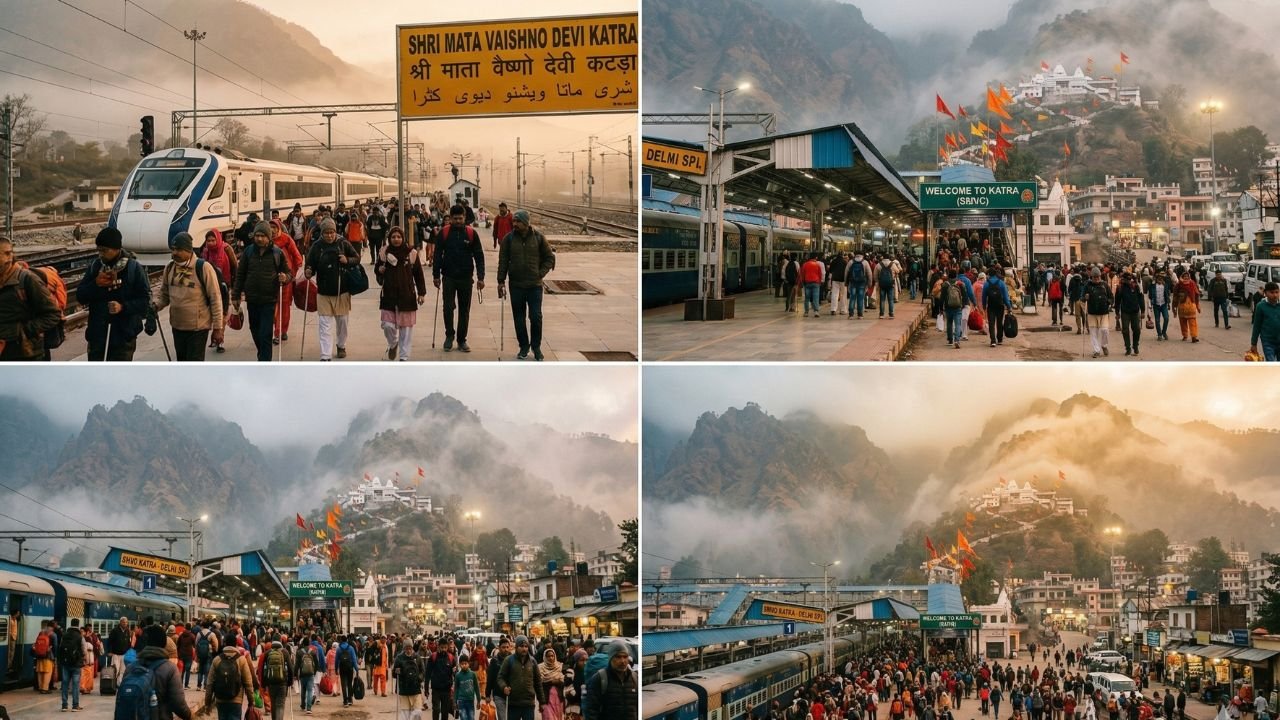
The government continues to prioritize railway projects in Jammu and Kashmir due to their strategic and socio-economic significance. Rail connectivity to remote and border areas not only strengthens national security but also boosts tourism, trade, and employment opportunities.
The Minister reiterated that all railway projects in the region are approved after carefully evaluating strategic relevance, regional development needs, and availability of funds. This balanced approach ensures long-term benefits while maintaining fiscal discipline.
As of April 1, 2025, Indian Railways has sanctioned 431 infrastructure projects across the country. These include new railway lines, gauge conversion, and doubling works, covering a total length of 35,966 kilometers. The estimated investment for these projects stands at approximately ₹6.75 lakh crore.
With sustained focus, policy support, and continuous monitoring, the Centre remains confident that railway infrastructure in Jammu and Kashmir will soon witness faster execution, transforming connectivity and driving inclusive growth in the region.